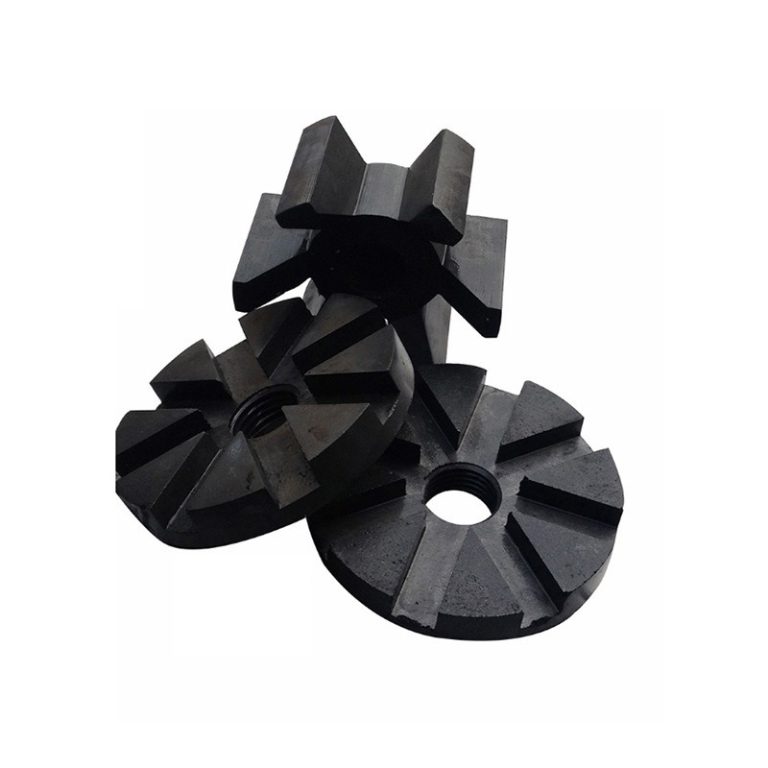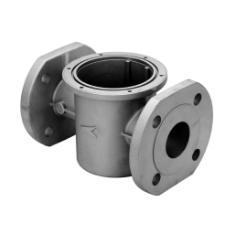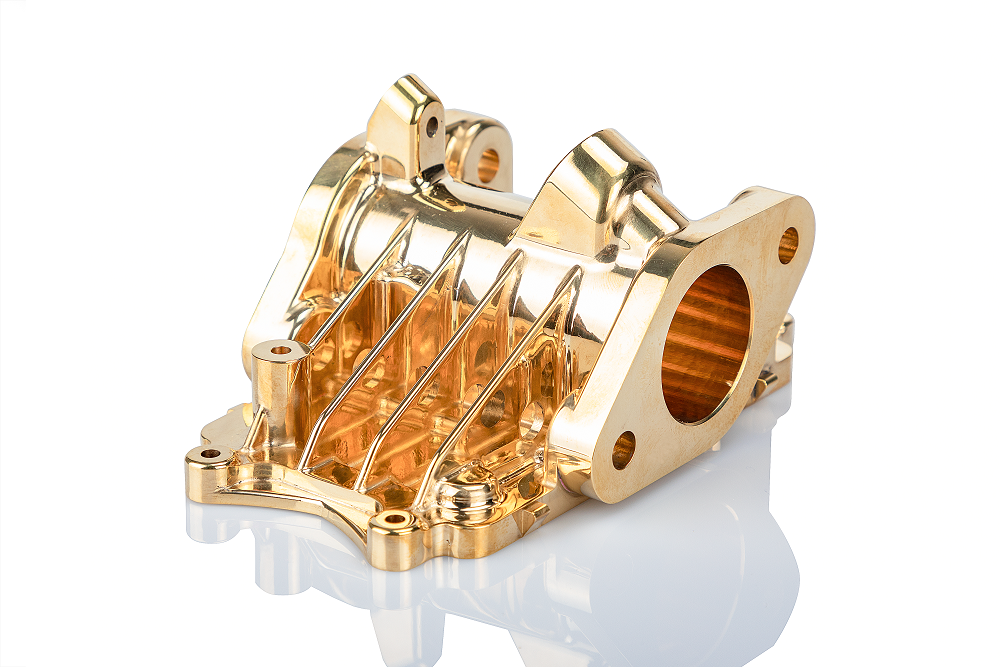
Anodizing is a surface treatment process utilizing electrochemistry to create a layer of aluminum oxide (Al2O3) film on the surface of aluminum and aluminum alloys. Through anodic oxidation, the material’s surface state and performance can be altered, leading to improved corrosion resistance, enhanced wear resistance and hardness, and protection of the metal surface.
This anodizing process is applicable to non-ferrous metals and their alloys, including aluminum, magnesium, and their alloys. Widely adopted across various industries, it is commonly used in mechanical parts, aircraft and automobile components, precision instruments and radio equipment, everyday items, and architectural decoration.
Electroplating Specifications
| Features | Info |
| Materials | Aluminum, Steel, Stainless Steel |
| Plate type | Tin, Nickel, Electroless Nickel |
| Texture | Smooth, glossy finish |
| Applications | Electrical connections, jewelry, radiation shields |
| Subtypes | Galvanizing, nickel plating, tin plating, passivation |
Design Considerations
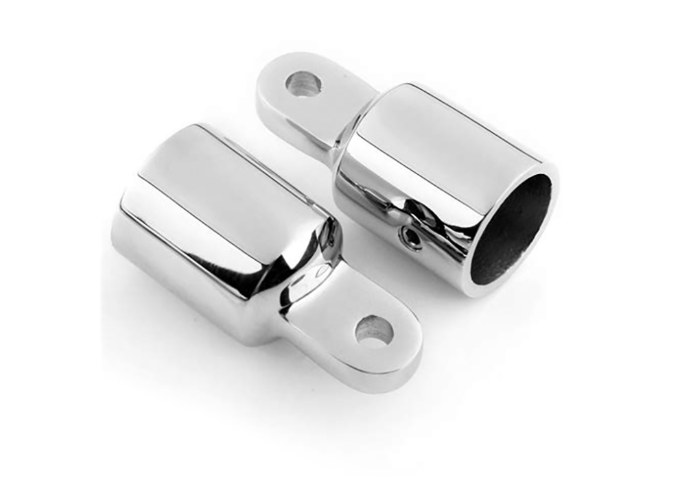
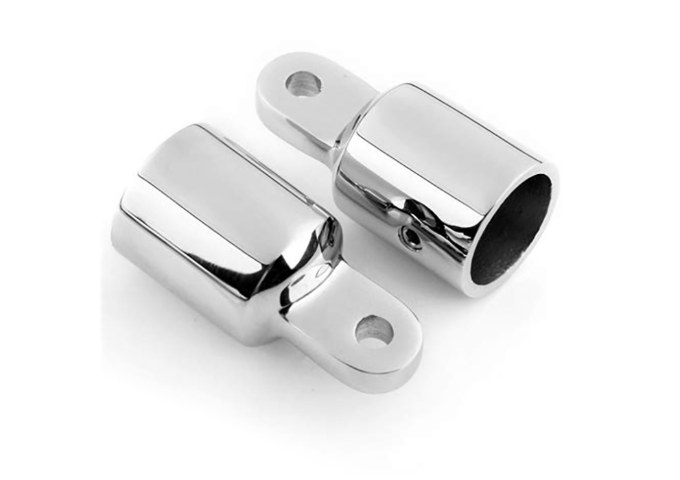
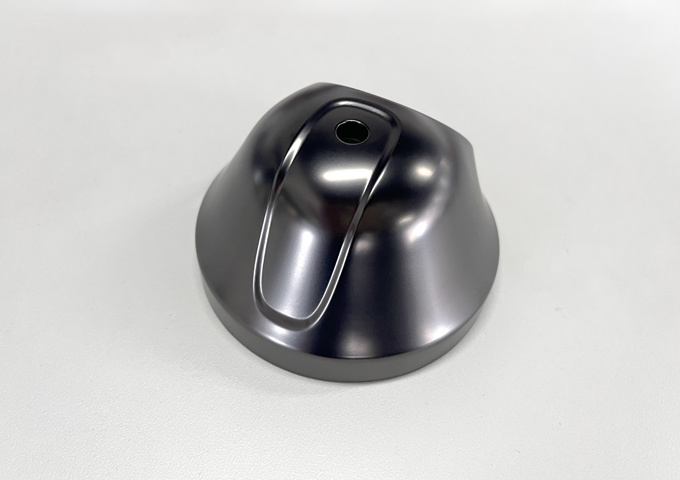
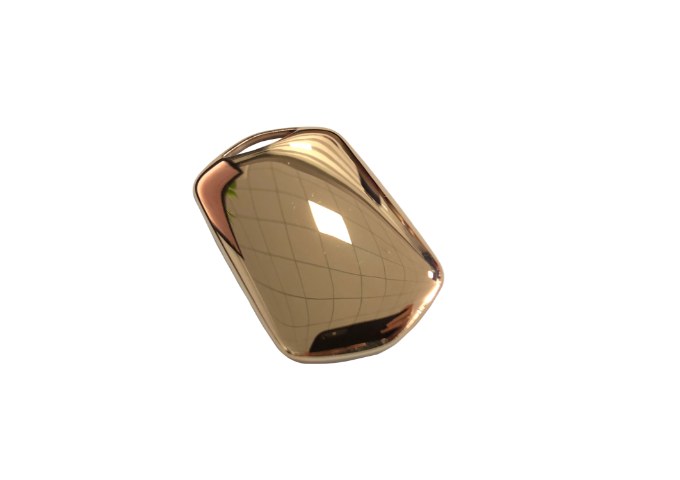
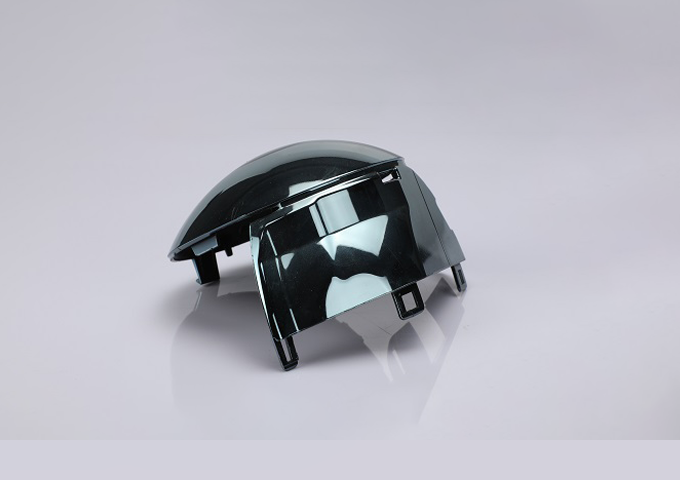
>Tolerances must consider the plating thickness, and all critical dimensions and tolerances should account for the part’s fit into a larger assembly.
>Given that electroplating involves the use of current, the overall geometry of the part can impact current distribution across its surface, potentially leading to uneven plating. Advanced plating processes are available to mitigate excessive plating buildup on bends, threads, and sharp corners.
>The selection of plating materials should be based on the desired characteristics of the final part, such as corrosion resistance and strength.