-
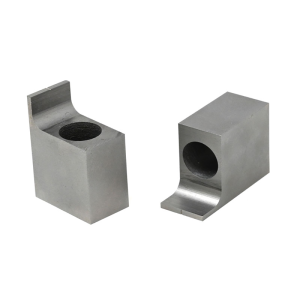
The die sinking EDM process uses a die in the negative shape of the desired cut as the electrode. This die is brought in contact or ‘sunk’ into the workpiece in the presence of a dielectric fluid. This creates a negative impression of the die in the workpiece through a series of electrical discharges between the electrode and the workpiece.
Imagine pressing a metallic object into clay. The clay assumes the negative shape of the metallic object. The die sinking EDM process works the same way.
-
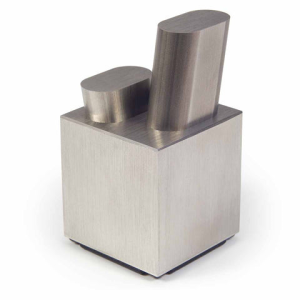
As the name implies, Hole drilling EDM (or small hole drilling EDM) is used to machine holes. However, this technique can accurately machine extremely small and deep holes that don’t require deburring compared to traditional hole drilling methods.
This method also uses the same fundamental principles as die-sinking EDM. However, the cut is made with a pulsing cylindrical electrode with dielectric liquid fed into the cutting area while moving deeper into the workpiece.
This method has been key to the advancement of high-temperature turbine blades, as it allows for very intricate cooling channels to be manufactured inside the turbine blades.
-
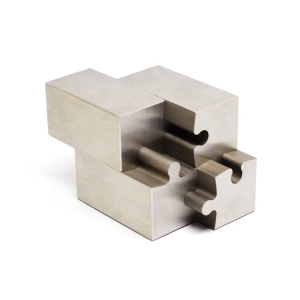
Wire EDM, otherwise known as wire erosion, is commonly used to produce extrusion dies. It cuts using the same mechanism as die-sinking. However, the die is replaced with a very fine electrically charged wire which will work as the electrode. This machining method is comparable to a cheese cutter, making a two-dimensional cut in a three-dimensional part.
End of content
End of content
