
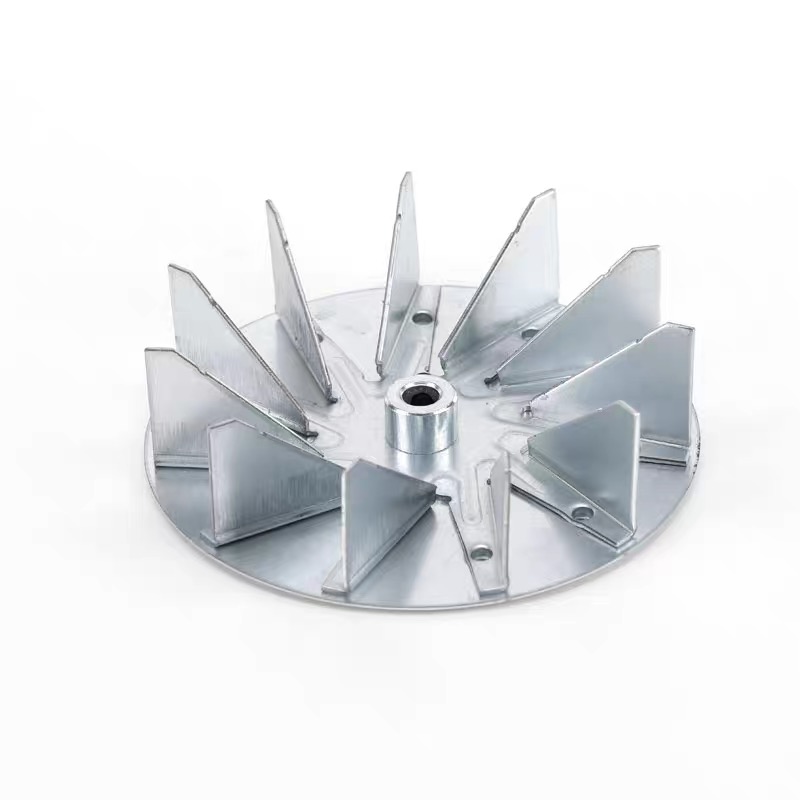
Nickel: Inconel 625, 718 Cnc maching services
Due to high shear strength, Nickel generates high heat during cutting, causing it to harden rapidly, creating gummy and weld to the cutting tool surface. The key to machining nickel alloys is to follow the mill recommended guidelines closely.
Description
Here are some additional factors to consider with nickel machining:
- Boring– Nickel alloys can be face-turned and bored rather easily. Factors to consider are feed, depth-of-cut and tooling. Drilling large holes and tapping takes robust machinery with power.
- Tooling– Tooling can be a nightmare. Tools tend to dull rather quickly. C grade inserts should be used and lubricants/cooling are essential. Due to the heat and work hardening nature of these alloys, cooling the surface is key for successful results. The results vary from shop to shop, however, as a general rule vegetable oil based fluids in CNC equipment and engine lathes are recommended.
- Drilling– For tapping and drilling operations, especially larger boreholes, heavy duty, light viscosity petroleum cutting oil works best. When using insert drills in CNC machines use the same speeds (SFM) for facing, turning, and boring. Feed rates should be .002” per revolution. Additionally, when twist bits are used cobalt drills are preferred.
Reviews
There are no reviews yet.