
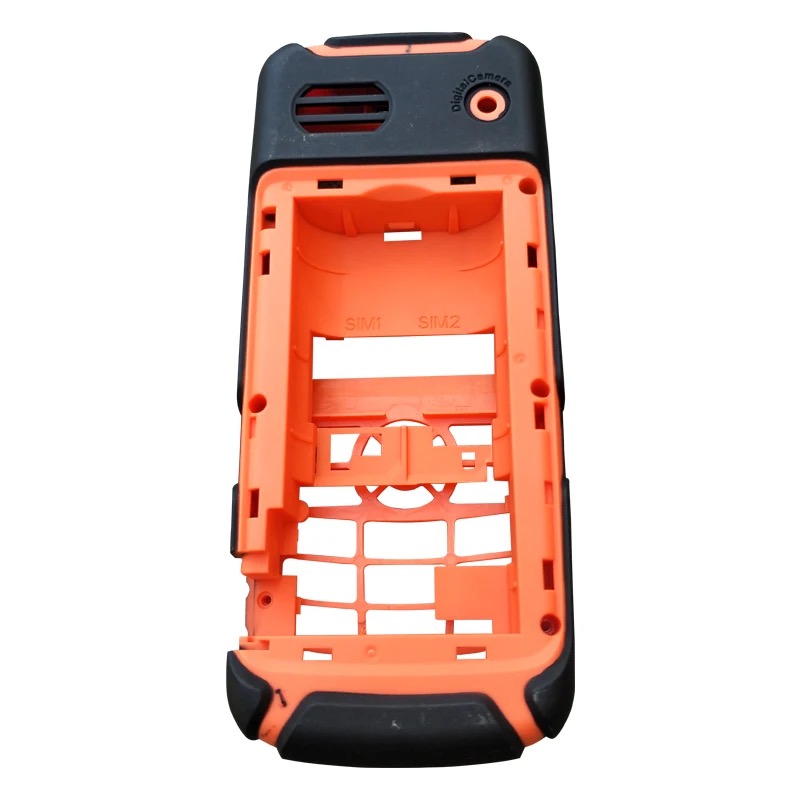
TPR injection modling services
Thermoplastic Rubber (TPR) resin is actually a mixture of plastic and rubber, and it’s easy to use in the injection molding process. It has outstanding chemical and weather resistance and high impact strength. Because of this, TPR is used in many types of fluid dispensers, flexible hoses, catheters, and other places containing different liquids, including acid.
You can find this recyclable material in medical catheters, suspension bushings and headphone cables. Thermoplastic rubber is also known as thermoplastic elastomer (TPE).
Description
TPR plastic material
According to the characteristics of the material and the supply situation, the appearance and process performance of the material should be tested before injection molding.
The pellets supplied often contain varying degrees of moisture, solvents, and other volatile low-molecular-weight substances, especially the moisture content of TPR plastic material, which tends to absorb moisture and always exceeds the allowable limit for processing.
Therefore, it must be dried before processing and the water content must be measured. The dried material must be properly sealed and stored to prevent the material from absorbing moisture from the air and losing the drying effect.
TPR plastic material features
For this reason, the drying chamber hopper can be used to continuously provide dry hot materials for the injection molding machine, which is useful for simplifying operations, maintaining cleanliness, and improving quality. It is advantageous to increase the injection rate.
The filling amount of the drying hopper is generally 2.5 times the hourly consumption of the injection molding machine. TPE based on SBC is better than most other TPR plastic material in color.
Therefore, they only need a small amount of color masterbatch to achieve a certain color effect, and the color produced is purer than other TPR plastic material.
Generally speaking, the viscosity of the color masterbatch should be lower than that of TPR plastic material. This is because the melt index of TPR plastic material is higher than that of the color masterbatch, which will facilitate the dispersion process and make the color distribution more uniform.
For TPE plastic material based on SBS, polystyrene vehicles are recommended.
For TPR plastic material based on harder SEBS, a polypropylene (PP) vehicle is recommended.
For TPR plastic material based on softer SEBS, low-density polyethylene or ethylene-vinyl acetate copolymer can be used. For softer varieties, PP vehicle is not recommended because the hardness of the composite material will be affected.
Reviews
There are no reviews yet.