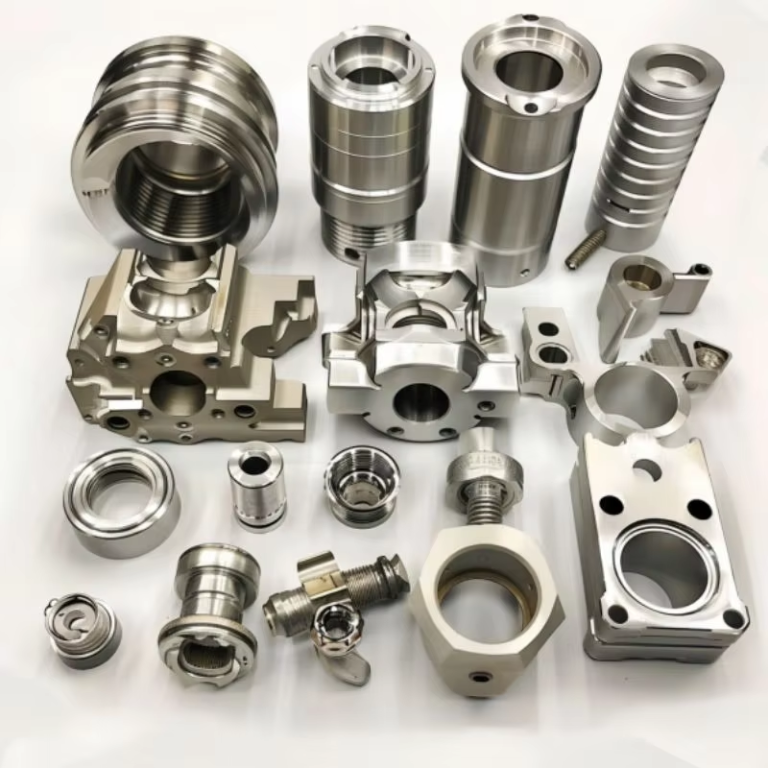
Custom Metal Machining Services
Metal machining is a pivotal part of the manufacturing process, encompassing various techniques such as CNC machining, milling, turning, drilling, EDM, and wire EDM. Utilizing CNC machines, this process involves the removal of metal material to precisely shape, size, and finish components in accordance with product designs and engineering specifications.
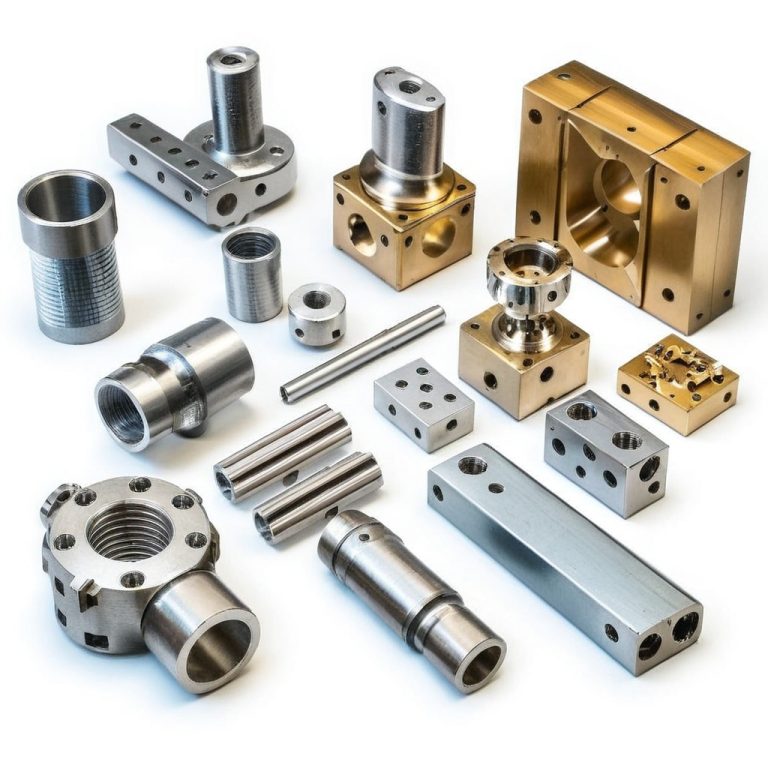
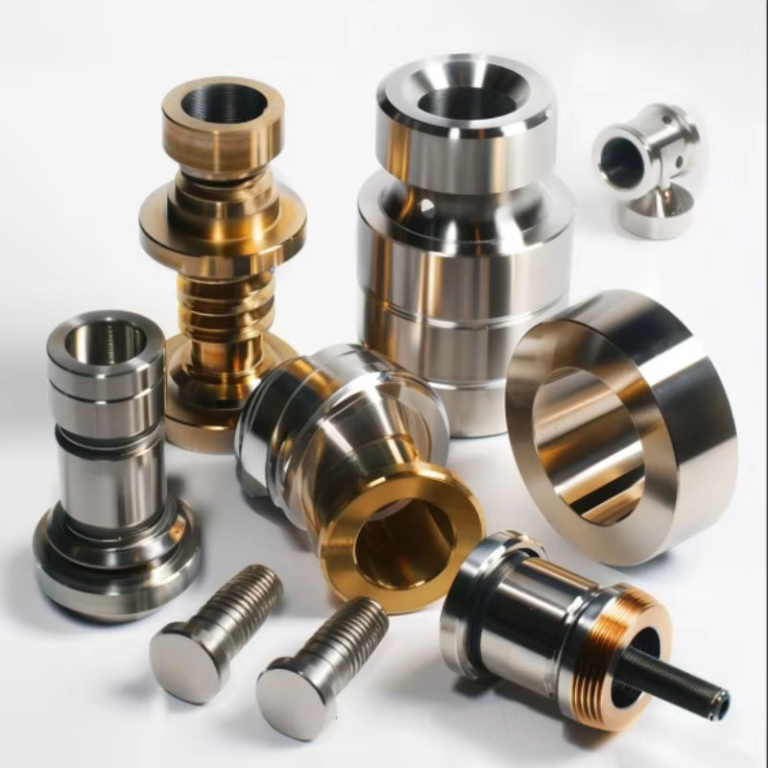
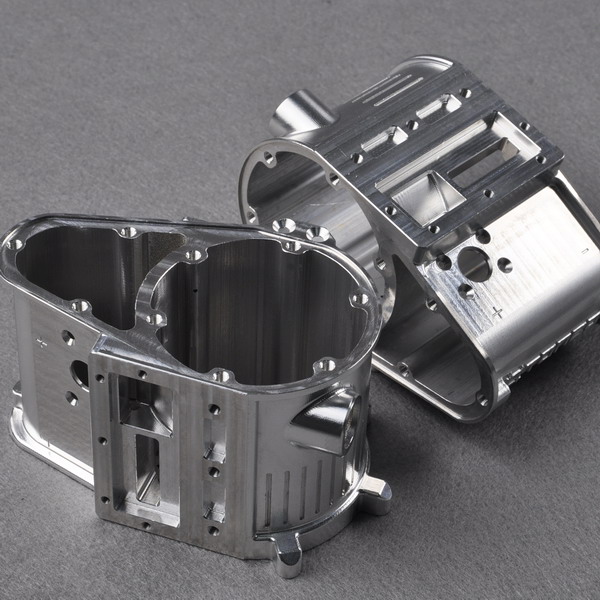
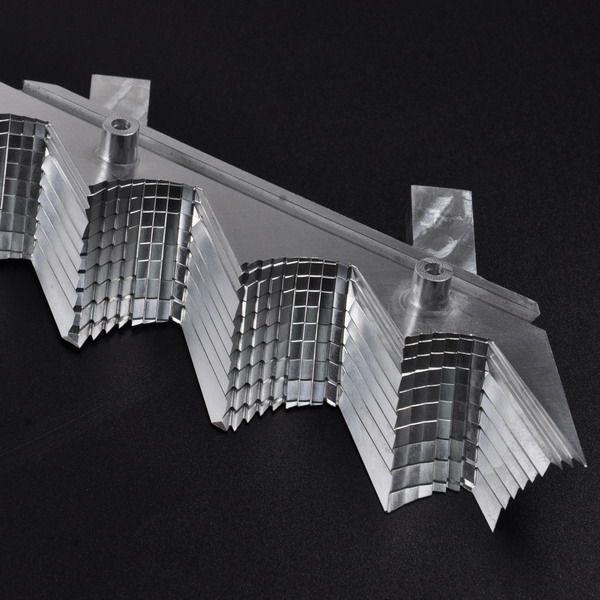
YS boasts cutting-edge machining equipment and skilled machinists, enabling the provision of high-precision CNC metal machining services. Our expertise extends to the production of custom metal parts with stringent tolerance requirements and intricate geometric designs.
Our CNC metal capabilities encompass prototyping and low-volume custom machining, with a specialized focus on CNC aluminum machining. We are proficient in working with a spectrum of metals, including magnesium, zinc, titanium, steel, and stainless steel. Additionally, we offer a range of secondary operations and surface treatments to cater to diverse project needs.
Why Use CNC For Metal Machining?
Flexible and Efficient Production
CNC machining stands out as the optimal method for crafting custom metal parts, offering enhanced precision and ensuring superior standards in metal machining and part manufacturing. The utilization of adjustable fixtures and automated machine positioning systems facilitates the setup of all processes, enabling a flexible and efficient response to production schedules.
High Accuracy and Repeatability
CNC metal machining achieves a remarkable level of precision and accuracy. The entire production process is automated through programmed instructions, ensuring a continuous machining process. This automation guarantees that each part or prototype replicates the first one precisely, expediting manufacturing and providing a consistently uniform output.
Labor Elimination and Cost Reduction
Technological advancements have ushered in automation in the manufacturing industry, prominently seen in CNC metal machining. The process is predominantly controlled by computers or robots, eliminating the need for lengthy processes in production lines. This not only reduces hardware investment and workload but also saves considerable time and effort, ultimately leading to a reduction in production costs.
How Does CNC Metal Machining Work?
CNC Machining for Efficiency and Precision
CNC, or Computer Numerical Control, represents a highly efficient automated machine tool designed for the intricate machining of complex-shaped workpieces. This sophisticated system integrates mechanical equipment with CNC systems, featuring a tool storage mechanism with automatic tool change functionality. This enables the processing of workpieces through multiple machining operations without the need for repeated setups.
The CNC system is adept at controlling the machine tool for various metal machining operations, automating tasks such as tool changes, spindle speed selection, feed adjustments, and more. This seamless automation allows for the continuous execution of processes like drilling, boring, milling, reaming, tapping, and others.
The CNC metal machining process significantly diminishes auxiliary setup time by minimizing workpiece clamping, measurements, and machine tool adjustments. This makes it particularly well-suited for the precision machining of complex shapes, meeting the demands of parts that require high precision and repeatability.
What We Can Do For Your Metal Machining?
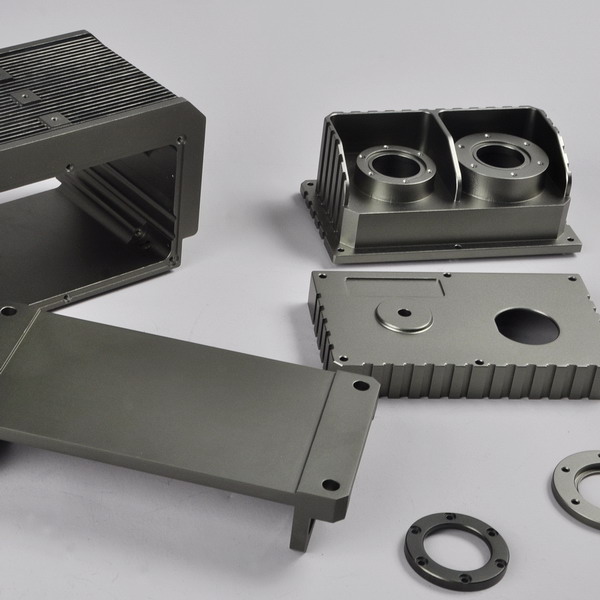
Precision CNC Metal Machining for Prototyping and Production
CNC metal machining services play a crucial role in product development by offering metal prototyping services to test the form, fit, and function of your product design before embarking on full-scale production.
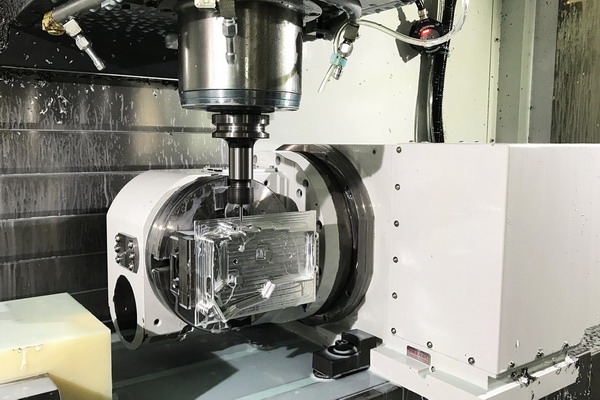
Our facility, equipped with state-of-the-art Haas and JingDiao machines for high-speed cutting, is staffed by experienced machinists and engineers capable of handling diverse manufacturing projects with swift turnaround times.
With 5-axis CNC metal machining capabilities, we excel in producing precision metal parts with intricate shapes and tight tolerance requirements. This advanced technology allows us to perform turning, boring, drilling, hexing, milling, threading, and tapping at nearly any angle.
Our flexible production methods, coupled with a machine shop operating 24/7, make our metal machining services well-suited for low-volume production of custom metal parts. Additionally, we offer integrated finishing services, providing special surface treatment options for your CNC metal parts after machining.
Metal Materials Suitable For CNC Machining
Versatile CNC Metal Machining Across Various Materials
Our extensive power capacity and the robustness of modern machine tools empower us to machine a diverse range of metal materials. From the commonly used aluminum to various grades of steel and stainless steel, including heat-resistant steel-nickel superalloys, we can process it all. Even challenging materials like magnesium and titanium alloys, known for their poor machinability, are within our capabilities. Here’s a list of some CNC metal materials we work with.
| Aluminum 6061 | Stainless Steel 17-4 |
| Aluminum 7075 | Stainless Steel 303 |
| Aluminum 2024 | Stainless Steel 304 |
| Aluminum 6063 | Stainless Steel 316 |
| Aluminum 6082 | Low Carbon Steel 1018 |
| Aluminum 6060 | A36 Steel Plate |
| Aluminum 5083 | Alloy Steel 4140 |
| Brass C360 | Magnesium (AZ91D / AZ31B) |
| Copper 110 | Titanium (Ti-6AI-4V) |
| Bronze C932 | Zinc (Zamak3 / Zamak5) |
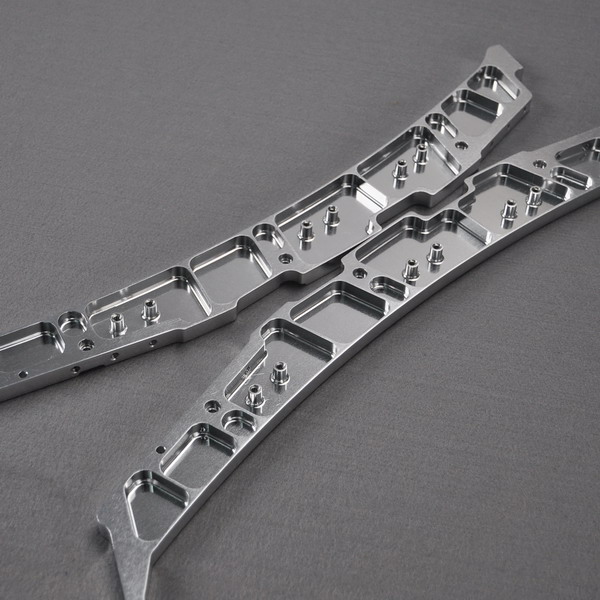
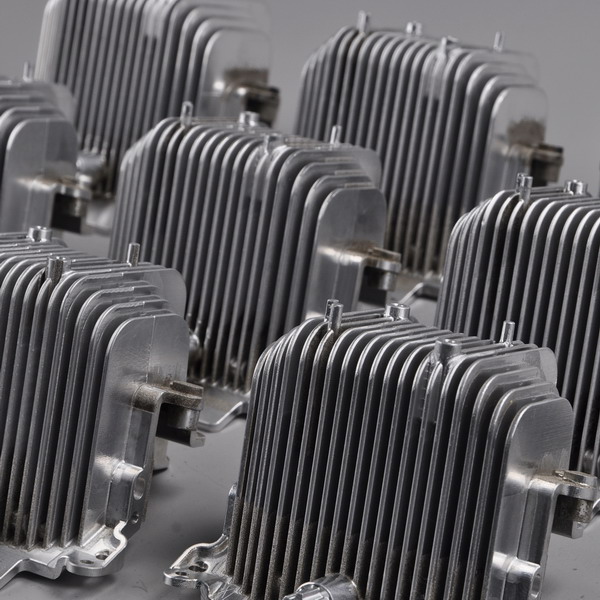
Different Machining Processes For CNC Metal Parts
Turning – This CNC metal machining method employs lathes and cutting tools to eliminate excess metal material from rotating parts. CNC turning is particularly effective for crafting cylindrical components.
Milling – Milling utilizes multi-point rotary tools to remove material from a workpiece, creating features such as pockets, slots, flat surfaces, intricate contours, and chamfers in the metal.
Drilling – Drilling is the process of forming a round hole in a metal workpiece. While a drill press or tapping machine is specifically designed for drilling, a milling machine can also be employed for this purpose. Boring enlarges existing cast or drilled holes, and reaming is employed to precisely expand a previously drilled hole to a specific diameter.
EDM – Electrical Discharge Machining (EDM) is employed to remove material from the surface of a workpiece through electrical discharge erosive processes. It is commonly used in aluminum machining as a supplementary process, especially for achieving intricate shapes that may be challenging with traditional methods.
Wire EDM – In this technique, a moving metal wire serves as the tool electrode. A pulse current is passed between the wire and the workpiece, utilizing the corrosion effect of the pulse discharge to cut CNC metal parts.