Understanding Injection Molding Costs and Strategies for Cost Reduction
Efficiently managing the cost of injection molding involves consideration of multiple factors. Learn about these elements and discover effective strategies to reduce overall injection molding expenses.
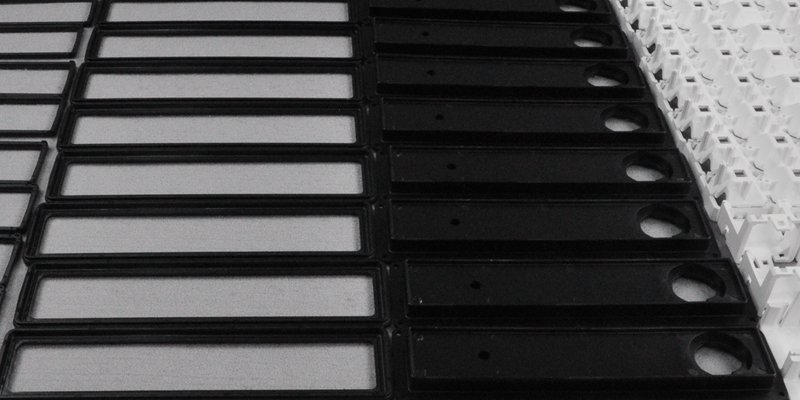
Injection molding is a widely adopted technology for producing diverse parts across various applications. Determining the cost of injection molding is crucial for assessing its compatibility with your manufacturing project.
This article delves into the intricacies of injection molding costs and the influencing factors. It also outlines different production volume categories in injection molding and provides insights on strategies to minimize costs. Let’s delve into the details.
What Determines Injection Molding Cost?
Typically, the injection molding process doesn’t have a standardized cost for each application. The cost of custom injection molding varies significantly, ranging from thousands to hundreds of thousands of dollars. Various factors influence the cost of injection molding.
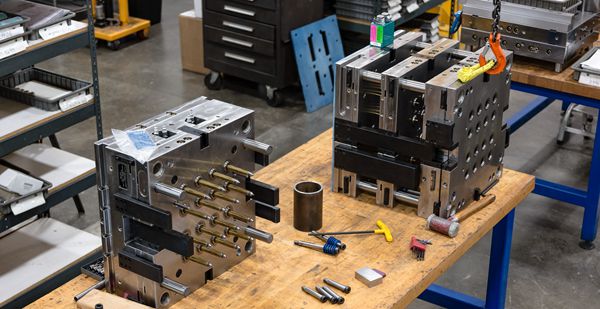
1. Molding Tooling Cost
Creating molds and mold bases for products through machining can be costly. Although molding equipment is a one-time investment, the expenses arise from the process used to manufacture the molds. The cost is influenced by standard techniques such as CNC machining, electric discharge machining, and 3D printing.
CNC Machining
CNC machining is ideal for crafting metal molds from aluminum or steel materials. In this process, cutting tools are employed to remove material from an aluminum block, resulting in precise and accurate aluminum molds.
EDM (Electrical Discharge Machining)
Electrical Discharge Machining (EDM) is an advanced method for creating molds featuring intricate and precise details. This technique employs electrical discharge to melt and shape the metal workpiece into the desired size and form. While EDM ensures exceptional accuracy, it is specifically suitable for crafting metal molds.
3D Printing
3D printing is a rapid and cost-effective method for producing molds, particularly for plastic injection molding endeavors. This technique involves a 3D printer and doesn’t demand highly skilled operators, leading to savings in both labor and mold costs. However, the dimensions of 3D printed components may be restricted by the size of the printer’s build platform. Additionally, molds created through 3D printing may be prone to shrinkage.
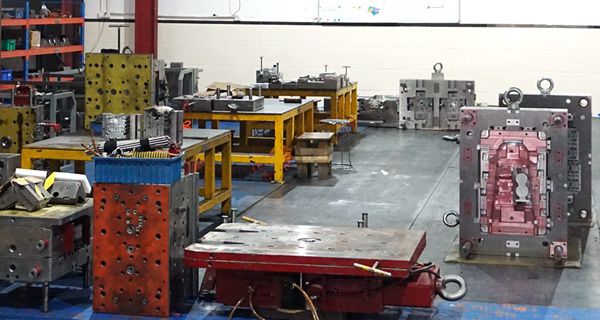
2. Equipment Cost
The injection molding process demands specialized equipment, and the cost varies based on the size and sophistication of the machine, ranging from small to large machines. It’s essential to take into account the different types of injection molding machines and their impact on overall injection molding costs.
Electric Injection Molding Machines
Electric molding machines use an electro-servo motor for precise control in the injection molding process. They boast energy efficiency, low operational and maintenance costs, as well as user-friendly accuracy. However, the upfront investment is substantial, and regular maintenance is required.
Hydraulic Injection Molding Machines
Hydraulic injection machines utilize a hydraulic pump for molding operations. They are known for durability, consistent ejection and injection, and economical initial costs. However, they may lack precision and tend to consume higher energy levels.
Hybrid Injection Molding Machines
Hybrid injection molding machines blend features of both electric and hydraulic machines. They utilize a servo motor and hydraulic pump for oil distribution, combining precision, repeatability, and energy efficiency. While offering these advantages, they come with high initial costs and require substantial maintenance due to the use of electric motors and hydraulic pumps.
In some cases, outsourcing to injection molding service providers might be a cost-effective alternative to purchasing an injection molding machine.
3. Plastic Resins and Additives Cost
Plastic injection molding accommodates a diverse array of plastic resins, each with distinct availability, pricing, applications, and properties. Common examples of plastic injection materials include PC, ABS, PU, PP, and PE.
The cost of plastic pellets for injection molding typically varies from $1 per kg to $5 per kg. However, the final cost of the injected material is influenced by factors such as the quantity used and the specific design requirements.
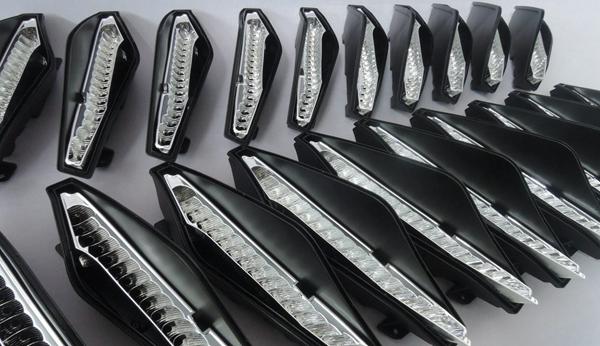
4. Injection Molded Parts Cost
Variables in molded parts, including design intricacies, size, and the volume of injection molding components, frequently determine the cost of injection molds. Understanding how these variables impact the overall plastic injection molding cost can significantly optimize your project’s expenses.
Part Complexity
Producing complex parts necessitates the creation of an intricately designed mold using manufacturing methods like 3D printing, CNC machining, or EDM machining. Moreover, filling the mold to produce complex parts requires more material, leading to an increase in injection molding material costs. Additionally, complex parts might entail extended production times due to the need for additional steps in the manufacturing process.
Part Size
Manufacturing large molded parts necessitates more injection molding material, leading to increased costs for injection molded components. Similarly, ensuring the appropriate use of injection molding machines and manufacturing molds of the right size is crucial when dealing with large parts.
Undercuts
Undercut features in injection molding can complicate or, in some cases, impede the injection of parts. If possible, eliminate these features. If removal proves challenging, consider implementing sliding shut-offs, pass-through cores, or altering the parting line and draft angles to streamline the mold build.
Finishing and Appearances
Avoiding unnecessary features that don’t contribute significantly to the final product can help control plastic injection molding costs. For instance, textured surfaces or cosmetic add-ons like bead blasting or high mold polish may not be essential. It’s crucial to assess whether these extras add significant value to your final products, as they can also lead to the need for more mold cavities, driving up overall costs.
5. Labor and Other Services
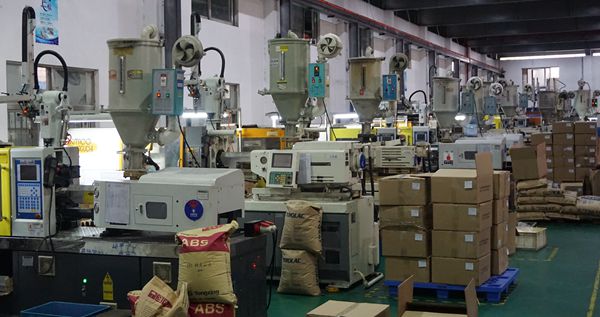
Injection molding involves automated procedures controlled by software systems. However, labor costs associated with injection molding include setup costs, where specific machine setup configurations are required for each stage, repair costs for maintaining equipment, and operator costs to monitor the automated process. These factors contribute to overall labor expenses in the injection molding process.
Injection Molding Cost For Different Production Volumes
The production volume plays a crucial role in determining the cost of injection molding. It affects the amount of raw material used, the sophistication of the required machine, and the properties of the injection mold. Here are the common types of production volume in injection molding:
Low-Volume Injection Molding Production
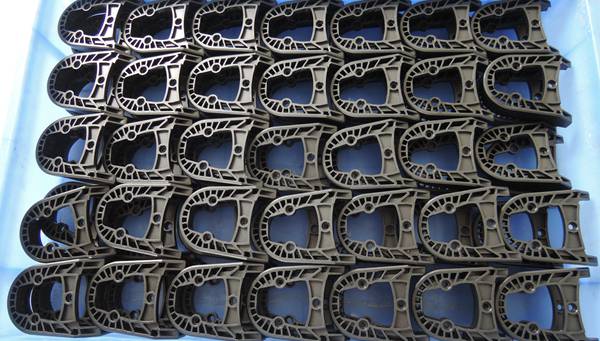
Low-volume plastic molding typically involves producing parts in the range of a hundred to a few thousand. Manufacturers often handle both mold creation and molding in-house, using less sophisticated machines. For this, molds made from 3D-printed polymer resin or rapid tooling are commonly employed due to their affordability and shorter production cycles.
The entire production run for low-volume molding typically spans about three days to create the final parts. Consider the following parameters for a 100–200 part run:
- Number of parts: 100–1,000
- Mold cost: $100–$1,000
- Raw material cost per part: $0.5
- Total material cost: $50–$500
- Labor cost per part: $3–$30
- Total labor cost: $300–$3,000
- Total cost of injection molding process: $450–$4,500
- Cost per part: $4.5
Mid-Volume Injection Molding Production
Mid-volume injection molding typically involves quantities ranging from five thousand to tens of thousands of molded parts. For this production scale, molds made from pre-hardened steel or aluminum are often required. Outsourcing mold production and molding processes is a common practice for mid-volume quantities.
Let’s consider the following injection molding cost calculation for a 5,000–10,000 unit volume, using thermoplastic materials like polypropylene:
- Number of parts: 5,000–10,000
- Mold cost: $2,500–$5,000
- Raw material cost per part: $0.5
- Total material cost: $2,500–$5,000
- Labor cost per part: $2
- Total labor cost: $10,000–$20,000
- Total cost of injection molded process: $15,000–$30,000
- Cost per part: $3
High-Volume Injection Molding Production
High-volume injection mold production involves the production of hundreds of thousands of molded parts, often requiring durable steel molds with a longer life expectancy. Large-volume projects demand sophisticated machines, contributing to higher injection molding costs. Despite the initial investment, high-volume production offers a significant cost advantage, resulting in a lower cost per part.
For example, let’s consider molding 100,000 to 300,000 parts of the same type using ABS:
- Number of parts: 100,000–300,000
- Mold cost: $25,000–$75,000
- Raw material cost per part: $0.5
- Total material cost: $50,000–$150,000
- Labor cost per part: $1
- Total labor cost: $100,000–$300,000
- Total cost of the injection molded process: $175,000–$525,000
- Cost per part: $1.75
While the initial investment is higher, the injection molding price per part significantly decreases for high-volume production, making it a cost-effective solution for large-scale projects.
How To Reduce Injection Molding Cost?
As previously mentioned, a straightforward approach to lower the cost per piece is to increase the quantity of parts, allowing the upfront costs for mold machining and design to be distributed across a larger production run. Additionally, consider implementing the following strategies to further reduce injection molding costs and optimize outcomes for your project.
Utilizing DfM Analysis
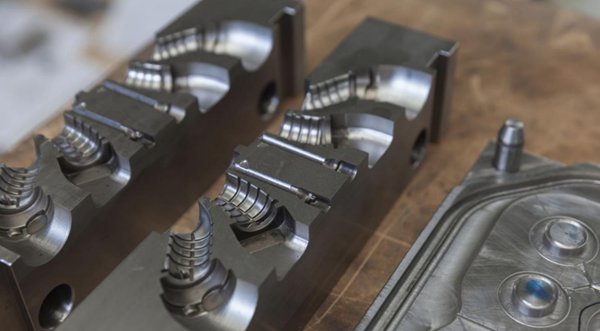
DFM (Design for Manufacturing) in injection molding aims to design a part that fits within a client’s specified budget while meeting its intended purpose. Analysts consider various factors in DfM, combining technology, art, and science to determine the most efficient design. This approach substantially reduces the costs associated with injection molding.
Simplifying Design Features
To lower the injection molding costs, it’s advisable to avoid unnecessary complexity in molds and streamline the manufacturing process. Simplifying the design by removing unnecessary features can reduce the need for complex molds and additional production steps. Additionally, eliminating cosmetic finishes that do not contribute significantly to the functionality of the product can result in cost savings.
Universal Molds instead of Custom Molds
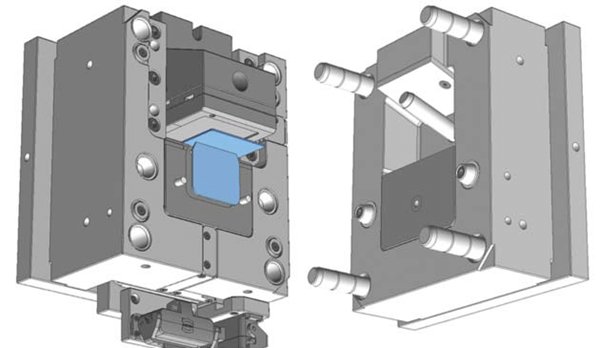
Opting for universal molds instead of custom molds can be a cost-effective choice, providing quality parts at a lower expense. Additionally, when custom molds are necessary, having a pre-established CAD model before manufacturing begins is crucial. This approach helps optimize designs and identifies potential issues such as steep draft angles, unnecessary wall thicknesses, and complex shapes, ensuring a more efficient and cost-effective production process.
Choose the Right Injection Molding Material
The choice of material significantly impacts the overall injection molding cost. Opting for cost-effective materials like ABS or polypropylene whenever feasible can help minimize production expenses and contribute to overall cost efficiency.
Try Insert Molds
Insert injection molding and overmolding are cost-effective technologies in the long run. Insert molding, for instance, eliminates the need for creating threads on plastic to fasten it to metal parts, resulting in a more economical process.
Minimize the Number of Cavities in Mold
Minimizing the number of cavities in a mold is crucial for cost reduction. Utilizing moldflow analysis can optimize part design, identifying areas where cavities can be eliminated without compromising function or aesthetics. This approach helps to lower overall costs while maintaining the integrity of the part.
Self-Mating Parts
Creating self-mating components stands out as a highly dependable approach for minimizing injection molding expenses and streamlining design, aligning with common practices in Europe and the United States. These components seamlessly connect with each other upon a 180-degree rotation, allowing for the utilization of a single mold half to produce the entire part. This not only lowers mold costs significantly but also reduces the injection mold size by half.
Get Fast Molding Tooling To Save Cost At YUESHEN
YUESHEN is your ideal partner for rapid injection molding services, offering a spectrum from cost-effective low-volume molding to high-volume production. Our commitment lies in delivering precision and affordable rapid tooling alongside injection-molded parts tailored to your specifications.
Through resource integration, we furnish on-demand manufacturing capabilities and bespoke machining services, ensuring the creation of top-notch molds and plastic components. Additionally, our expert engineering team extends professional design recommendations and material selections. Feel free to submit your injection molding CAD file, and we will promptly provide quotes and conduct a complimentary DfM analysis.
Conclusion
Injection molding has become a prevalent method for manufacturing a wide array of products in today’s industry. Nevertheless, gaining insights into the costs associated with injection molding and mastering the art of estimation proves crucial in efficiently optimizing the manufacturing process. This article delves into various variables that demand comprehension to navigate the costs associated with injection molding effectively. Therefore, it aids in grasping the nuances of cost fluctuations in both injection mold tooling and mold expenses.
FAQs
Is injection molding considered expensive?
Providing a definitive answer is not straightforward. In a broad sense, injection molding can be both cost-effective and relatively pricey. The determining factors include production volumes and the complexity of the manufactured parts. Injection molding tends to be cost-effective for producing large volumes of similar items with tight tolerances.
What is the cost of injection molding?
The cost varies significantly, ranging from a few hundred to hundreds of thousands of dollars. Given the extensive applications of injection molding across a diverse range of products, specifying an exact cost figure is challenging.
Can injection molding work with materials other than plastic?
While injection molding is commonly used for mass-producing thousands of identical parts with thermoplastic and thermosetting polymers, it is also compatible with materials such as metals and elastomers.