When considering the cost of CNC machining, several factors demand the attention of every designer. Discussions often revolve around strategies to minimize CNC machining costs, and one effective approach is the careful selection of CNC machining metals. Achieving cost minimization is a shared objective among companies, coupled with the aim to expedite the transition of parts from production to the market in the shortest possible timeframe.
Metals suitable for CNC machining exhibit distinct mechanical properties, encompassing strength, flexibility, corrosion resistance, and more. These properties contribute to varying levels of machinability, implying that some materials, characterized by good machinability, are easier to mill and machine than others.
In general, the ease of machining a material correlates with its cost-effectiveness. This is because highly machinable CNC metals can be processed more efficiently, thereby reducing CNC costs. However, it’s essential to also factor in the cost of raw materials, as it directly influences the overall machining expenses.
This article will delve into how the choice of materials, particularly metals, can impact machining costs.
Different CNC Machining Metals Used in Manufacturing:
Let’s now explore some of the most cost-effective metals for CNC machining.
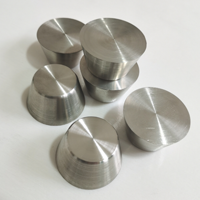
- Aluminum
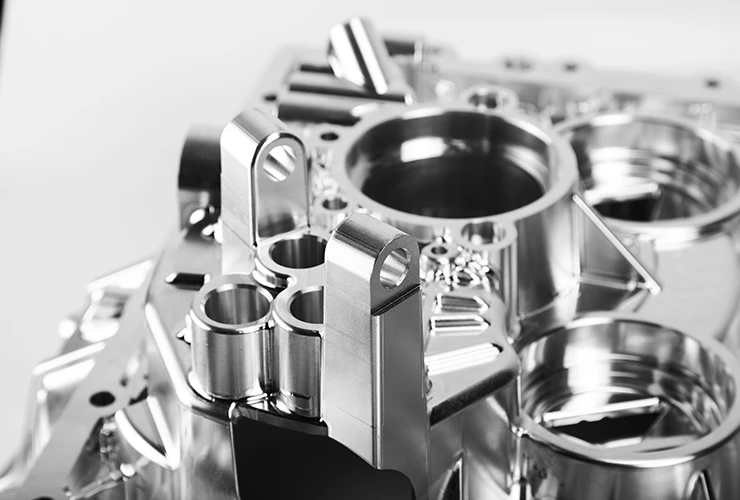
Available in a variety of alloys, Aluminum stands out as one of the most cost-effective metals for CNC machining. It boasts a high machinability factor that may vary slightly depending on the alloy. Additionally, Aluminum is characterized by a low raw material cost, contributing to its widespread popularity as a CNC machining metal.
With a high strength-to-weight ratio and commendable corrosion and temperature resistance, Aluminum finds extensive application across diverse industries. Sectors such as aerospace, automotive, healthcare, consumer goods, and more benefit from the versatility of this remarkable metal in machining processes. At RapidDirect, we provide a range of Aluminum alloys for CNC machining, including the popular Aluminum 6061-T6, as well as Aluminum 7075-T6 and Aluminum 6082.
2. Stainless Steel
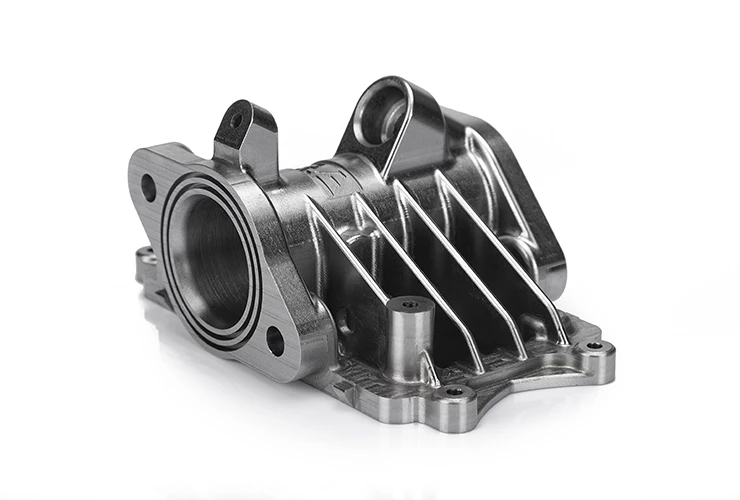
Stainless steel, available in a diverse range of alloys, emerges as a popular and versatile material for CNC machining applications. While it may not match the machinability of Aluminum, stainless steel maintains a favorable machinability to low raw material cost ratio. CNC steel exhibits numerous desirable properties, including high strength, chemical resistance, and hardness.
Given these attributes, stainless steel proves ideal for various applications, finding its place in industries such as automotive, aerospace, food, marine, and healthcare. RapidDirect offers top-notch machining stainless steel alloys for CNC machining. Notable examples include 303 Stainless Steel, prized for its good machinability and suitability for producing fittings and fasteners.
304 Stainless Steel stands out as another prominent choice for milling, particularly in the creation of cookware and chemical-processing equipment. Meanwhile, 316 Stainless Steel, renowned for its corrosion resistance, is apt for more demanding applications, such as those in the marine or chemical industries. Among these options, 303 Stainless Steel emerges as the most cost-effective, thanks to the presence of sulfur and phosphorus.
3. Brass
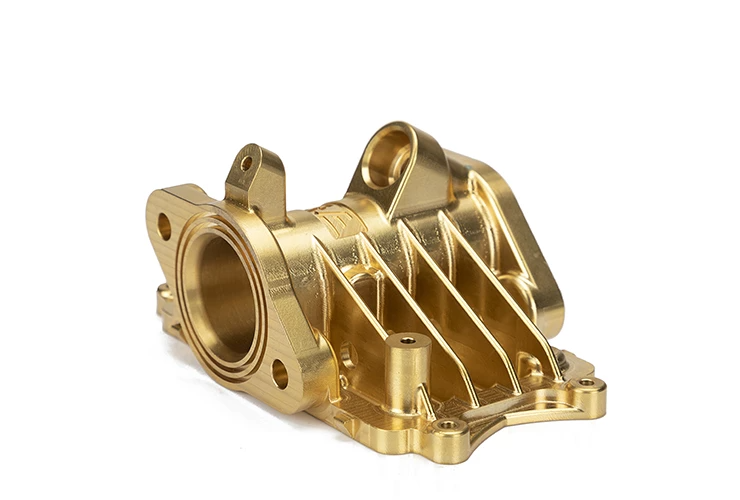
Continuing the list of cost-effective CNC machining metals, we have brass—a metal alloy composed of a combination of copper and zinc. Brass exhibits a high machinability factor, surpassing that of Stainless Steel, albeit with a slightly higher raw material cost. However, the notable advantage of brass lies in its high scrap return, which contributes to mitigating the overall cost of raw materials.
RapidDirect provides two Brass alloys: Brass C360 and Brass C260, both featuring a higher zinc content. Brass C360 stands out as the most cost-effective metal for machining due to its soft, easily machinable nature and its minimal impact on machining tools. Generally recognized for its medium hardness and high tensile strength, brass finds applications in various sectors, including electrical goods, consumer goods, architecture, automotive, and healthcare.
4. Copper
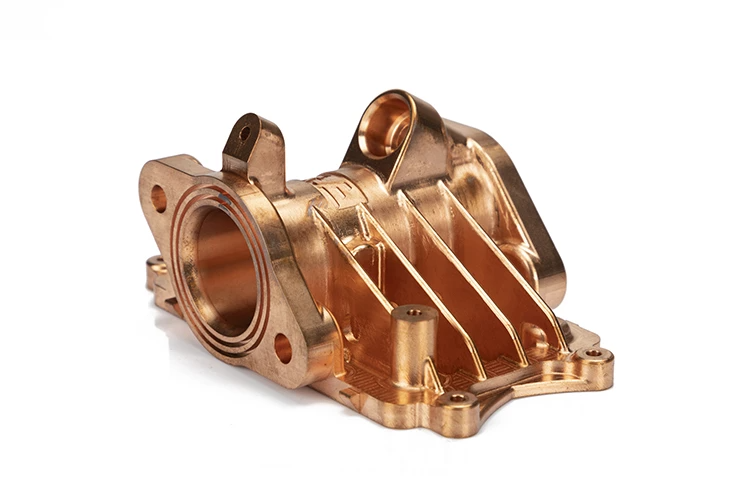
Similar to brass, copper boasts an exceptionally high machinability rate, making it one of the most cost-effective CNC machining metals. The primary factor driving up the cost of copper is the price of raw material. Nevertheless, copper is widely favored for applications demanding excellent electrical and thermal conductivity. Industries such as automotive, consumer electronics, and the healthcare sector find this CNC metal highly beneficial. Notably, copper also exhibits good corrosion resistance.
RapidDirect provides two Copper alloys tailored for CNC machining:
- 110 Copper: Recognized for its excellent electrical conductivity and formability.
- 101 Copper: This alloy boasts the highest copper content among all Cu alloys, ensuring the best conductivity.
5. Titanium
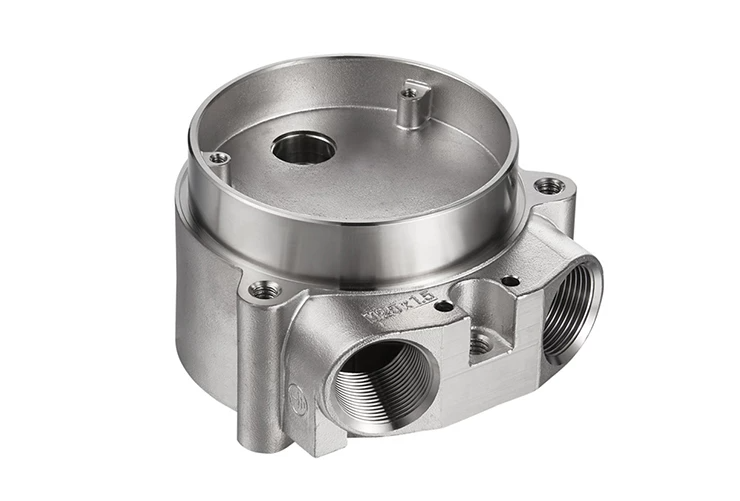
On the upper end of the cost spectrum for CNC machining metals lies Titanium. Titanium presents machining challenges owing to its low thermal conductivity and high strength. Additionally, the raw material commands a relatively high price, contributing to elevated material and machining costs. Nevertheless, Titanium boasts several unique properties, including an outstanding strength-to-weight ratio. As a result, it is a sought-after CNC metal, particularly in specialized industries such as aerospace and medical.
Titanium comes with exceptional corrosion, chemical, and temperature resistance. RapidDirect customers interested in working with Titanium can opt for two machinable alloys: Grade 2 Titanium and Grade 5 Titanium (Ti6Al4V). Grade 2 exhibits high corrosion resistance, while Grade 5 Titanium stands out as the strongest Titanium alloy.
Robust CNC Machining Solutions
At YS, we provide a diverse selection of metal materials for CNC machining, encompassing not only the most commonly used CNC machining metals but also more specialized options. Our extensive range of CNC machining materials caters to a wide array of applications.
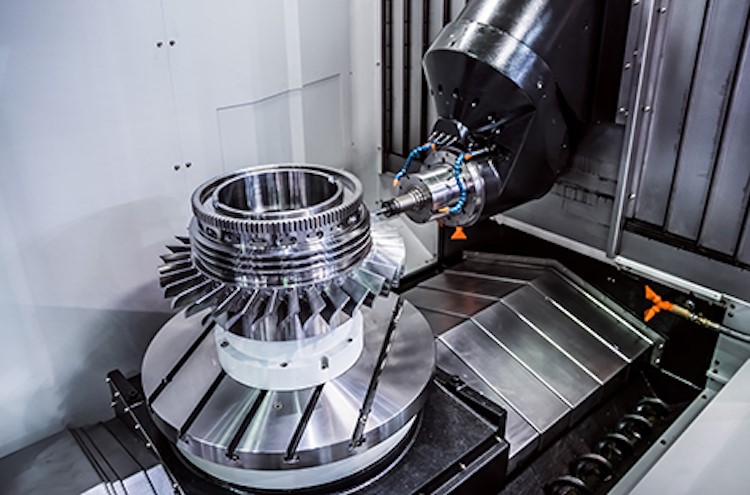
Our seasoned and highly skilled engineers possess the knowledge to choose the appropriate materials for your custom CNC parts. Simply upload your CAD file, and within seconds, you’ll receive a quote. If you have specific material requirements, feel free to get in touch with us. We’re prepared to assist you in initiating and advancing your project.
Factors to Consider When Selecting CNC Machining Metals
Several considerations come into play when choosing the most suitable materials for CNC machining, including machining stainless steel. Regardless of your product’s production stage, cost reduction without compromising quality is a crucial goal. Here are key factors to weigh for selecting the most cost-effective metal for your machined part.
- Manufacturing Time for CNC Machining Metals:
The manufacturing time required for a material is a vital consideration for overall cost control. High-strength materials like milling stainless steel demand advanced turning and milling processes, often involving expensive equipment. Custom machine parts with high precision requirements, such as pneumatic valves for medical machines, can increase manufacturing time and costs. The intricacies of turns, notches, and divots in such parts contribute to precision machining expenses. - Environment for Part Use:
Choosing a CNC metal suitable for the intended environment is paramount. If your custom CNC part needs to withstand extreme temperatures and pressures, corrosion-resistant and robust materials are essential to minimize maintenance costs. Conversely, for home appliances and other low-intensity use parts, opting for cheaper and less robust metals might be more cost-effective. - Weight and Strength Requirements for CNC Machining Metals:
The weight and strength of the chosen material significantly impact production costs. Heavier materials, such as milling stainless steel and iron, increase overall costs due to their weight. If your application does not require a weight-intensive material, exploring alternatives may be a prudent approach. Additionally, considering endurance strength is crucial, as it influences wear resistance, tensile strength, and hardness. - Post-Processing Treatments Required:
The need for post-processing treatments after production is another critical factor affecting cost-effectiveness. Some materials may require additional processes, potentially driving up costs. Choosing a CNC metal that functions well with as-milled finishes can be a cost-efficient strategy.
In Conclusion:
Whether designing custom home appliances or industrial equipment for the automotive and aerospace industries, selecting a cost-effective CNC metal is vital. While this article discussed common metals for CNC machining, numerous other options are available. Working with an experienced manufacturer, like YS, can provide valuable guidance in making the best material choices for your specific needs.
Let’s Start A New Project Today