Introduction
Explore the world of Metal Spinning with comprehensive insights:
Explore the world of Metal Spinning with comprehensive insights:
1 Understanding Metal Spinning
Discovering Metal Spinning Machinery
Diverse Dimensions: Types of Metal Spinning
Metals Unveiled: A Spectrum in Metal Spinning
Applications Across Industries: Metal Spinning’s Versatility
Pros and Cons: Navigating the Realms of Metal Spinning
And Beyond: Delving Deeper into Metal Spinning
Dive into this guide to unlock the intricacies of Metal Spinning!
Chapter 1: Understanding Metal Spinning
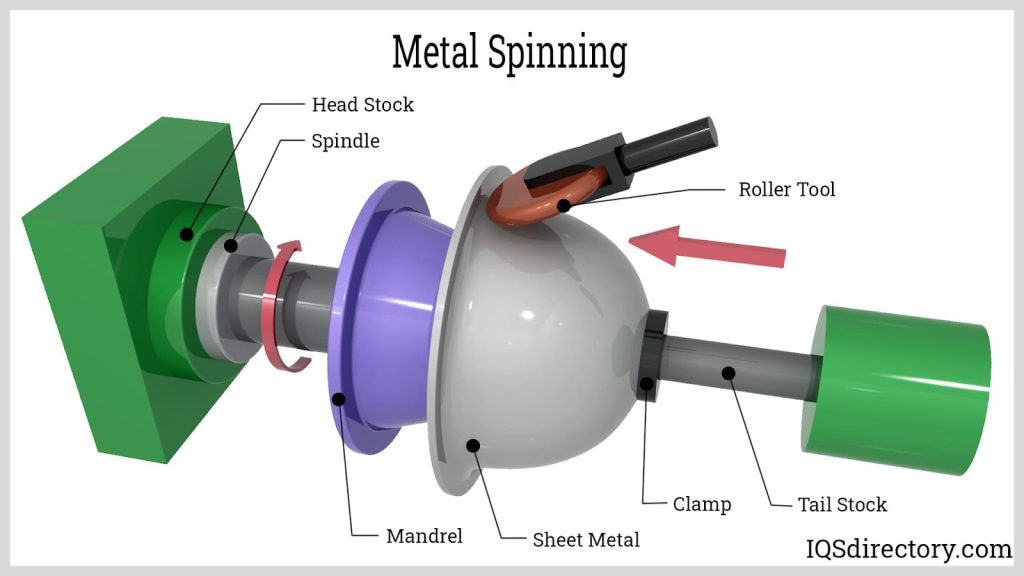
Metal spinning, also known as spin forming, is a transformative metalworking method. It converts flat circular blanks or disc-shaped workpieces into axially symmetrical round shapes. This process involves applying lateral force using a roller against the workpiece’s surface, paired with a high-speed spinning mandrel providing support and defining the final shape.
Metal spinning achieves diverse shapes without material removal from the workpiece. Throughout this process, the circular metal sheet undergoes controlled tensile and compressive forces as it wraps around the spinning mandrel. The precision control of thickness reduction ensures the worked metal meets exact specifications.
Metal spinning is a historic blend of art and science, dating back thousands of years to ancient Egyptian times. Evolving from manual methods, it has transitioned into a sophisticated manufacturing technique, incorporating computer numeric control (CNC).
Despite advancements, manual metal spinning persists, valued for its ability to produce high-tolerance, quality products. Mastery of this craft demands prolonged apprenticeship, relying on unique hand-eye coordination.
Originating from ancient Egyptian pottery making on a manual potter’s wheel around 3000 BC, metal spinning adapted to shape wood and clay. Its significance grew during the Middle Ages, crafting items like vases and tea kettles on wood spinning lathes manually powered by craftsmen’s assistants.
Chapter 2: Discovering Metal Spinning Machinery
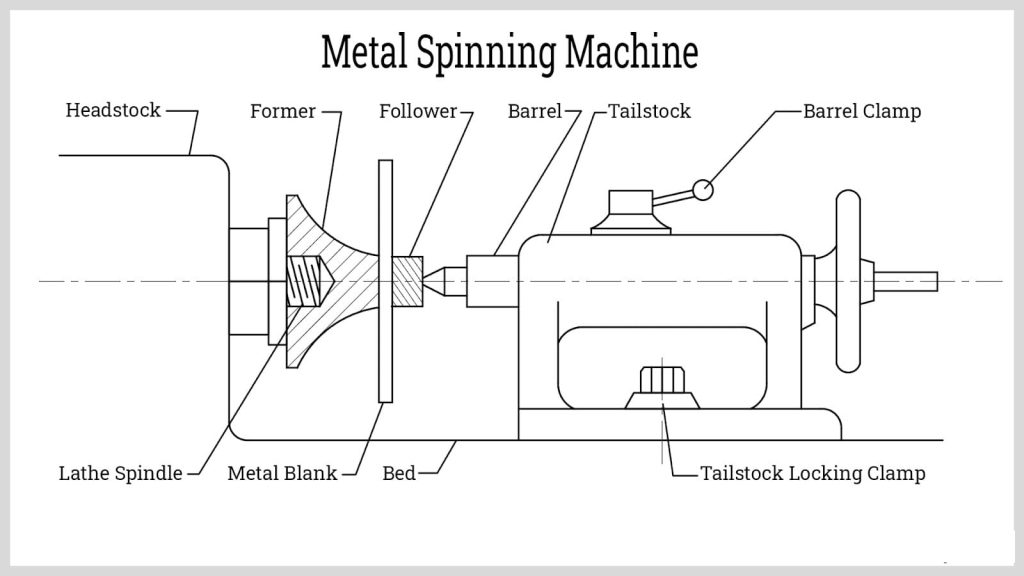
Metal spinning operations are facilitated by the utilization of a lathe and a roller. The lathe, a key piece of machinery, is responsible for rapidly spinning the workpiece around an axis. It serves multiple purposes in metalworking, including cutting, drilling, and sanding. Specifically adapted for metal spinning, the lathe incorporates a mandrel. The essential components of a metal spinning lathe are:
Mandrel
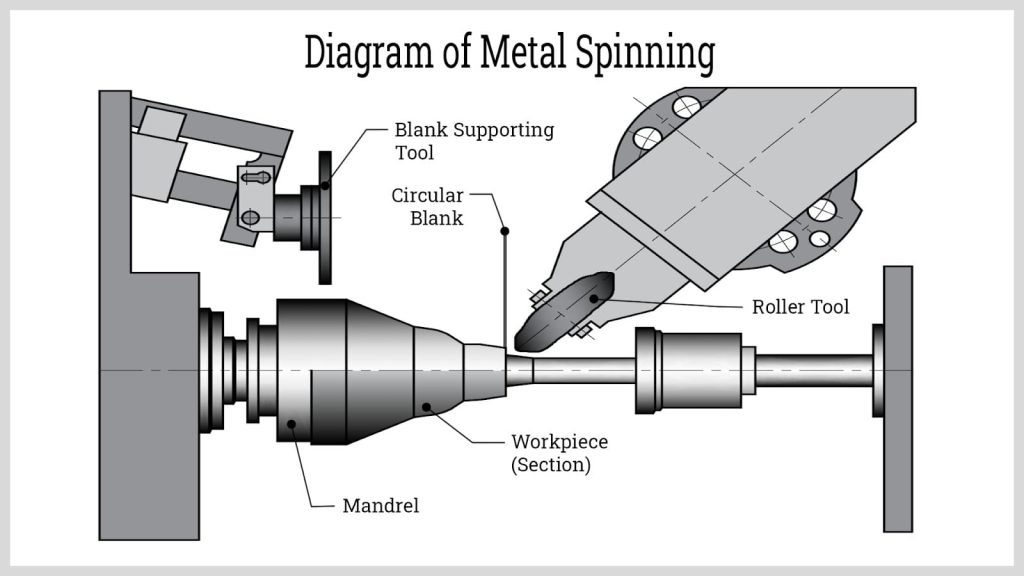
The mandrel acts as a forming die, providing volume and shape to the metal disc, having the interior shape of the finished part. It supports the workpiece during rapid spinning, ensuring even deformation without wrinkling or warble. Before being placed on the mandrel, the metal disc is lubricated with grease or wax for easier removal, also improving the surface finish.
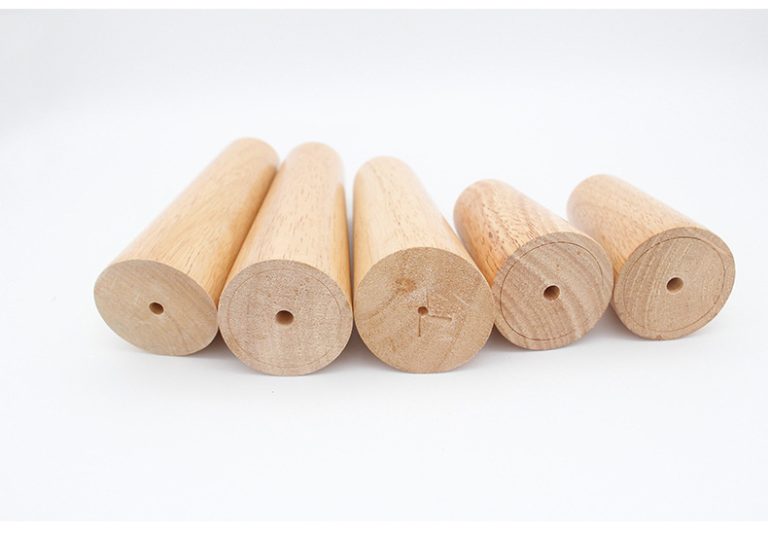
Mandrels can be machined from materials like steel, aluminum, plastic, or wood, with less expensive materials suitable for prototyping. The material must be rigid enough to withstand the force applied by the roller.
Roller
In metal spinning machines, the roller is a rigid tool applying localized force in the partial work zone, where plastic deformation occurs. A ball roller design minimizes friction, heat, and premature wear during the spinning process. While manual control requires high skill and extensive training, CNC machining has gained popularity to mitigate hazards.
The localized force from the roller in metal spinning is comparatively low, enabling the formation of high-strength heavy gauge metals in large diameters with minimal force and energy, resulting in lower costs. The work zone follows a slightly spiral path, creating a small twist in the part.
Tailstock
Located at the opposite end and aligned with the headstock, the tailstock supports and holds the workpiece against the mandrel during fast spinning. It contains the mechanism applying the required pressure to clamp the workpiece.
Follower
The follower, a pressure pad attached to the tailstock spindle, clamps the workpiece in place, with its area corresponding to the base of the finished part.
Spindle
The headstock spindle mounts the mandrel, rotating it and the workpiece during forming. The tailstock features another rotating spindle where the follower is mounted.
Headstock
The headstock is a frame housing the mechanism transmitting power to drive the spindles. It controls the spinning RPM, supporting the spindle and its mounted mandrel.
Lathe Bed
Supporting the headstock, tailstock, and other components, the lathe bed plays a crucial role in the overall stability of the metal spinning machine.
Computer Numerical Control (CNC) Metal Spinning
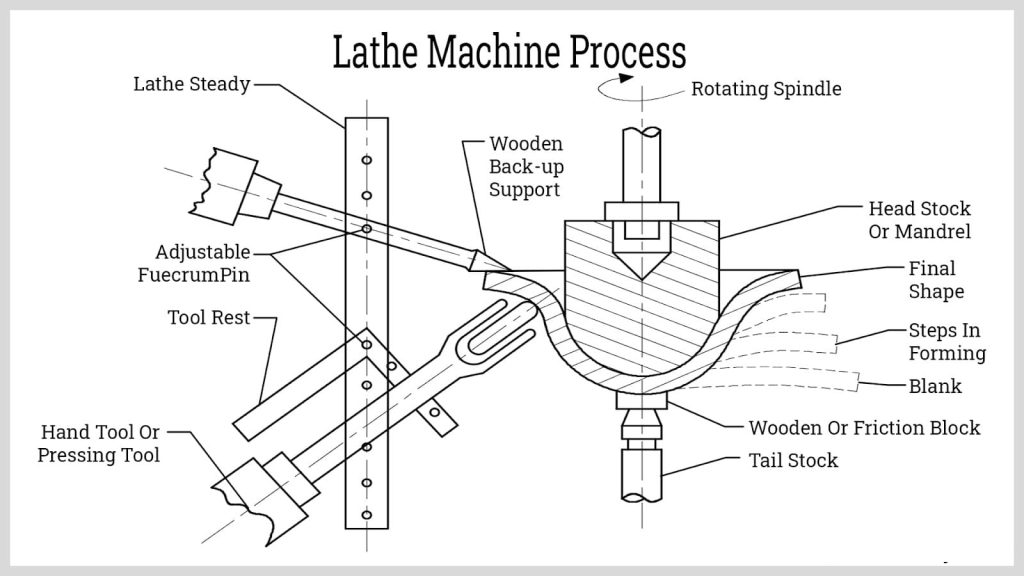
CNC metal spinning involves a lathe that controls and automates the process. Similar to manual spinning in initial steps, the operator places the workpiece on the CNC lathe, securing it with a pressure pad. The CNC machine, programmed with forming parameters, rotates and presses the workpiece against the mold, deforming it to the desired shape. CNC metal spinning is lauded for its low cost, superior tensile strength, excellent finishes, refined grain structures, and precise dimensional stability.
Playback Numerical Control (PNC) Metal Spinning
In PNC metal spinning, the operator shapes the workpiece manually using a joystick. Once the desired shape is achieved, programmed changes are saved and repeated for high-volume production. The lathe repeats the forming process in playback mode, producing exact duplicates of the original part. Operators make small adjustments to the program for efficiency. PNC metal spinning is particularly effective for high-volume production.
Chapter 3: Diverse Dimensions: Types of Metal Spinning
In the United States and Canada, a plethora of machines play a pivotal role in metal spinning processes. These machines are indispensable in contemporary society, facilitating the cost-effective and efficient production of diverse metal parts across industries such as aerospace, automotive, and electronics. This technological progress contributes significantly to economic growth. Below, we delve into some of the leading metal spinning machines and their capabilities.
Leifeld PNC350-800 (Manufacturer: Leifeld Metal Spinning AG)
The Leifeld PNC350-800 stands out as a highly esteemed CNC metal spinning machine, renowned for its advanced automation capabilities, precision, and reliability. Tailored for handling substantial workpieces, this machine proves itself suitable for crafting a variety of metal components vital in aerospace, automotive, and other industries. The CNC control ensures programmable setups, enhancing efficiency and versatility.
MJC Engineering E-400 (Manufacturer: MJC Engineering & Technology, Inc.)
Another popular choice for metal spinning applications is the MJC Engineering E-400. Characterized by a user-friendly interface and CNC control, it simplifies programming and operation. The machine’s robustness and power make it adept at managing heavy-duty metal spinning tasks with high accuracy and repeatability.
Baileigh R-M10 (Manufacturer: Baileigh Industrial, Inc.)
The Baileigh R-M10, a manually operated metal spinning machine, caters to smaller workshops and hobbyists. Although lacking the automation of CNC alternatives, it remains favored for its affordability, compact size, and user-friendly nature. Ideal for smaller-scale projects and prototype development, it strikes a balance between simplicity and functionality.
PNC-CNC Metal Spinning Machine Series (Manufacturer: PNC Engineering)
The PNC-CNC series encompasses various models, each equipped with CNC controls to address diverse metal spinning requirements. Recognized for their sturdy construction, user-friendly interfaces, and exceptional performance, these machines combine precision and productivity in metal forming applications.
LNSpin LS-250 (Manufacturer: LNS America, Inc.)
The LNSpin LS-250 represents a versatile automatic metal spinning machine designed for high-volume production. Its automatic loading and unloading capabilities minimize manual intervention, enhancing production efficiency. Renowned for reliability and fast cycle times, the LS-250 stands as a preferred choice for numerous manufacturers.
It’s crucial to note that the availability and popularity of specific models may have evolved since the last update. When exploring metal spinning machines, staying informed about the latest offerings from manufacturers is essential. Additionally, factors like specific features, production capacity, automation levels, and budget should be considered to determine the most suitable machine for individual requirements.
Chapter 4: Metals Unveiled: A Spectrum in Metal Spinning
Metal spinning is categorized as compressive draw forming due to the radial, tensile, and compressive stresses influencing metal flow in the localized work roller zone and adjacent areas. Tensile stresses arise as the roller contacts the workpiece, escalating with axial roller feed to induce volumetric displacement radially to the mandrel.
As metal volume decreases toward the center, compressive stresses emerge between volumes, causing increased thickness at the open end and the risk of buckling and wrinkling, which can be mitigated by adjusting the feed direction.
Conventional Metal Spinning
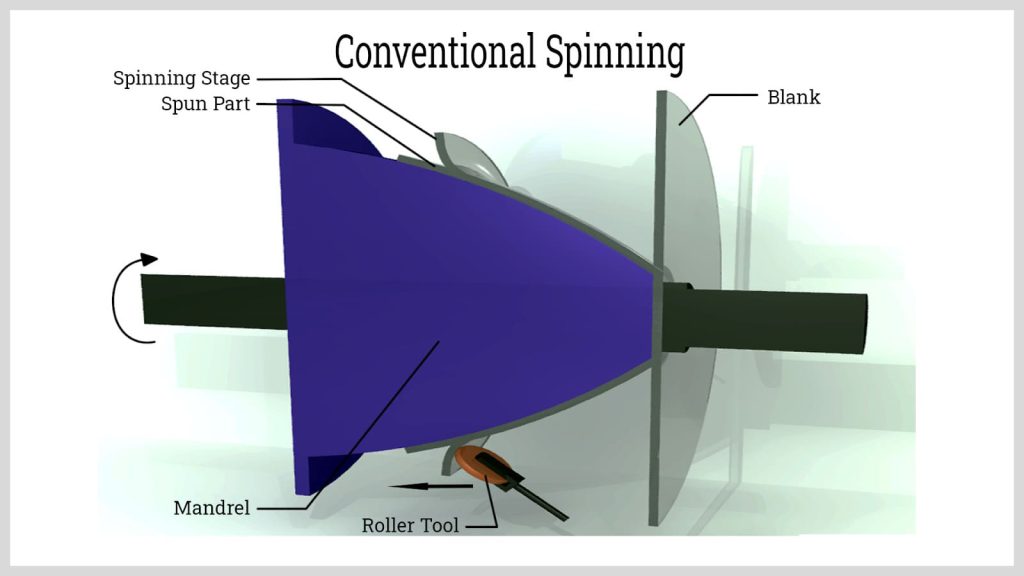
In conventional spinning, the roller propels the workpiece over the mandrel’s contour. The material thickness remains constant, resulting in increased depth and reduced diameter after forming. It is the simplest metal spinning type, requiring uncomplicated tooling and machinery.
Shear Spinning
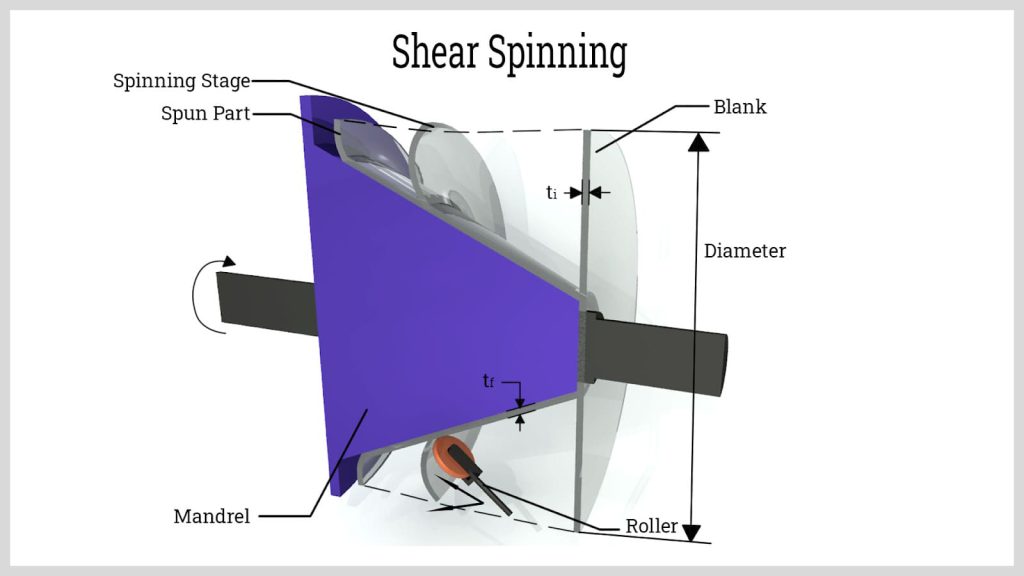
Shear spinning involves rollers applying downward force to the workpiece as it moves over the mandrel. The finished part has reduced material thickness compared to the original blank, but its diameter remains constant. Mechanical properties, such as strength and hardness, are enhanced due to greater compressive forces. Shear spinning demands robust tooling and precise machining control, with coolant necessary to manage generated heat.
The Sine Law
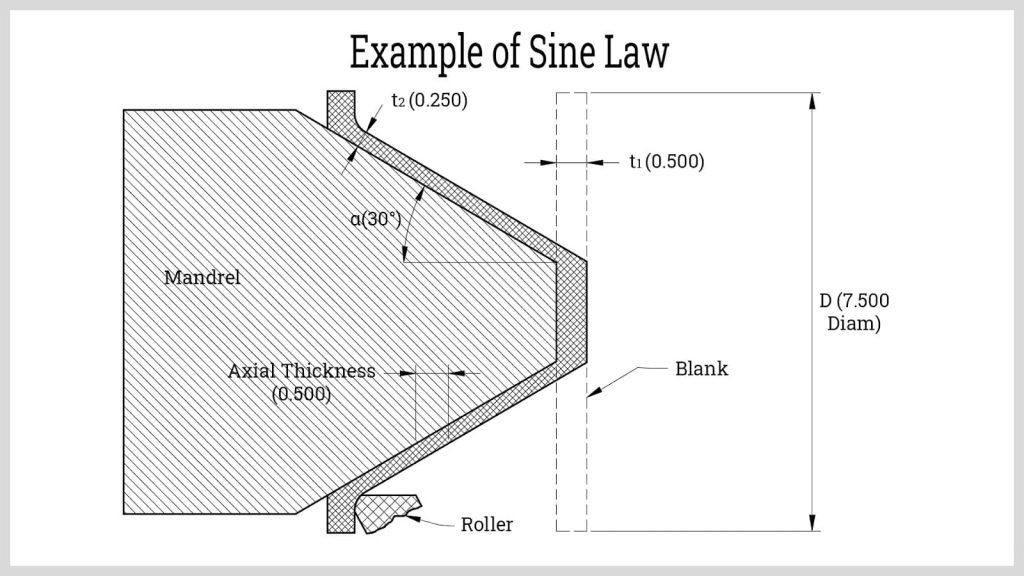
The Sine Law theoretically determines the thickness in shear spinning, equating it to the original thickness multiplied by the sine of the cone’s semi-apex angle.
Hot Spinning
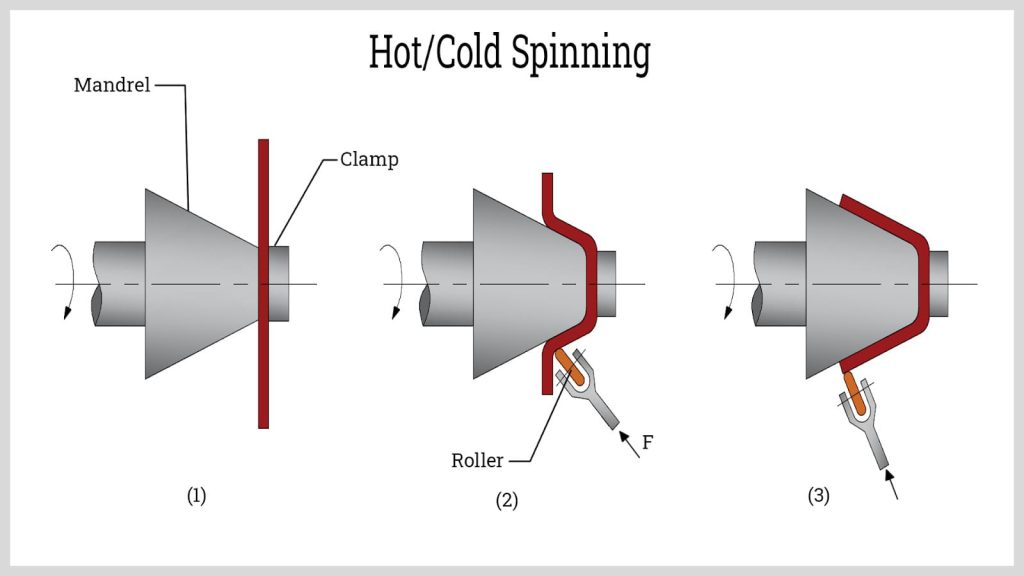
Hot spinning involves heating the workpiece to forging temperature using a torch during the spinning process. This technique is suitable for materials with low ductility, thick metal sheets, or when cold spinning is challenging. Hot spinning enhances physical properties but poses challenges like rapid oxidation and increased costs.
Tube Spinning
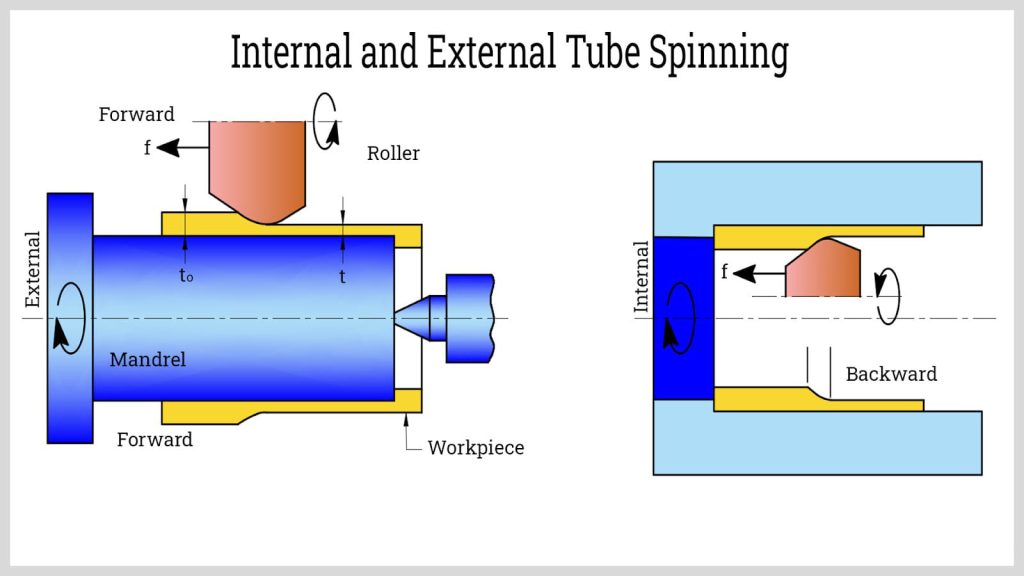
Tube spinning elongates and reduces the wall thickness of hollow cylindrical tubes. Three or more rollers spaced equidistantly around the tube draw it over the mandrel. External tube spinning stretches the tube over the mandrel’s outer surface, while internal spinning occurs inside a hollow mandrel. Tube spinning requires intricate tooling design and improves tube mechanical properties.
Adjustments
Thickness and finish adjustments may involve altering RPMs, roller shape, diameter, pressure, attack angle, and feeds. Necking and expanding are possible, referring to diameter recession or increase in specific sections. Post-processes include planishing to remove marks and trimming to cut excess material.
When making adjustments, care is crucial as repeated rolling makes the material brittle, harder, and prone to springing back. Necking and expanding refer to diameter changes in specific sections.
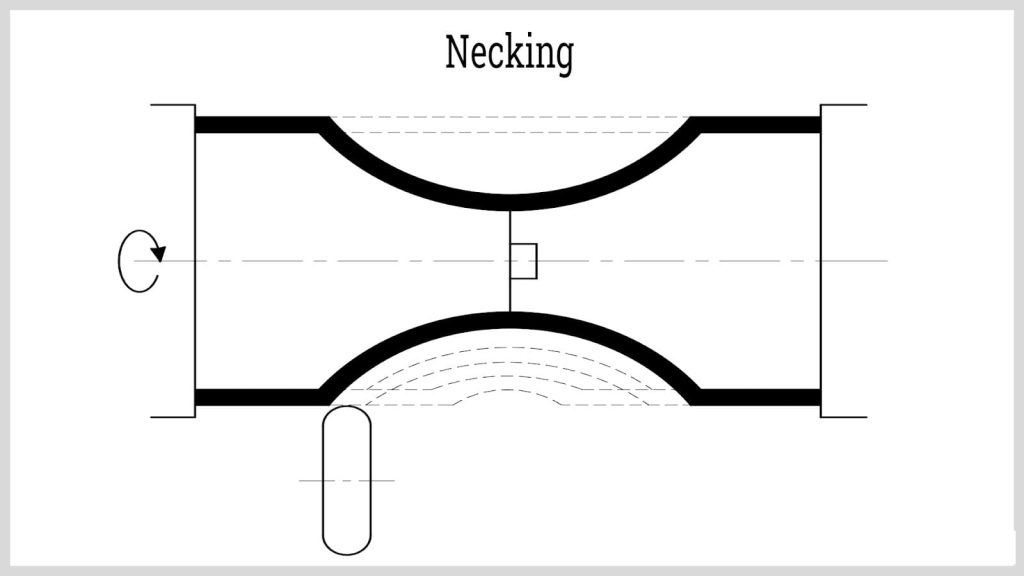
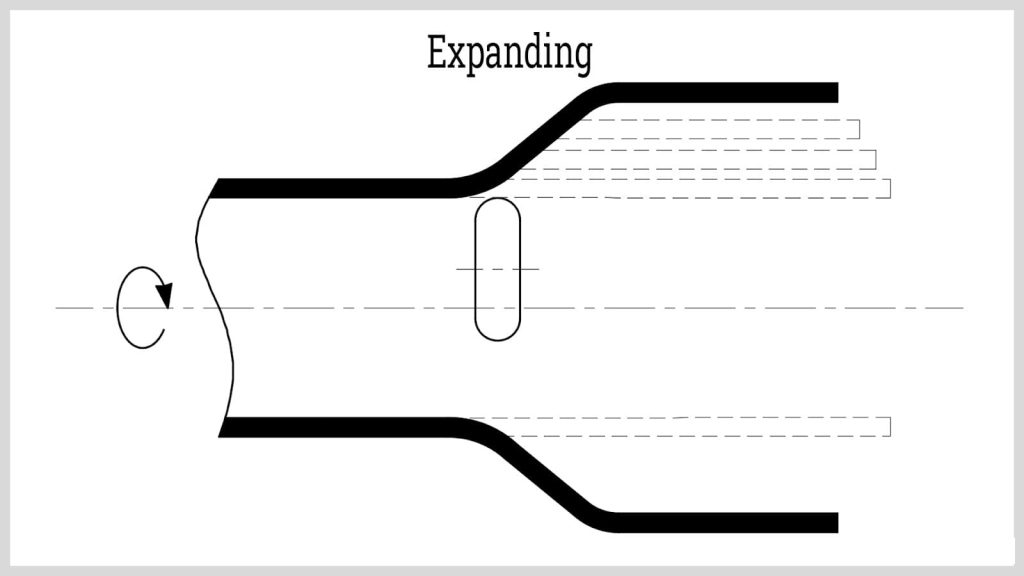
Post-spinning processes include planishing, removing wrinkles or marks, and trimming, cutting excess material from the finished part. Thorough consideration of adjustments and post-processes is essential for precision in metal spinning.
Chapter 5: Applications Across Industries: Metal Spinning’s Versatility
Metal spinning is a versatile process applicable to a wide range of metals. Essentially, if a metal can be formed by metal stamping, it can be processed through metal spinning. Metal spinning lathes, operating at 15,000 psi, possess the capability to deform nearly any metal, with exceptions being carbon steel and tool steel.
Aluminum
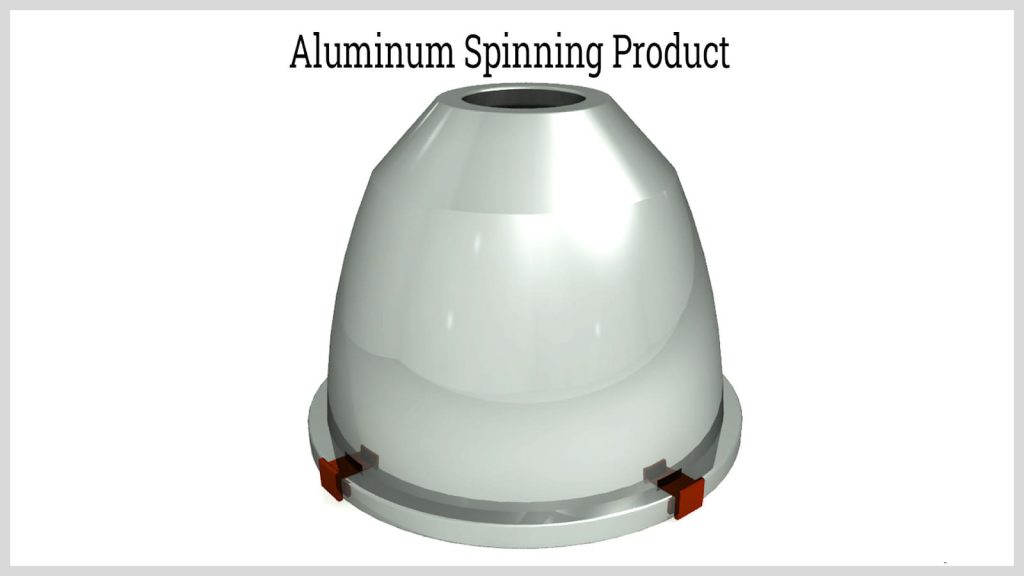
Abundant and boasting a high strength-to-weight ratio, aluminum is a favored material for metal spinning. Its ductility, malleability, corrosion resistance, and thermal stability make it ideal. Commonly spun aluminum alloys include 1100, 2024, 3003, 5052, 6061, and 7075. Applications range from cooking utensils and kitchenware to drums, funnels, decorative components, and parts for electronics, appliances, and furniture.
Steel
Steel, an alloy of iron and carbon, exhibits diverse properties based on composition and manufacturing processes.
Stainless Steel: Contains at least 10.5% chromium, offering excellent chemical and corrosion resistance, high strength, toughness, and rigidity at elevated pressures and temperatures.
Carbon Steel: Primarily iron and carbon, its carbon content below 2% imparts strength and rigidity but makes it harder and less malleable. Grades include low carbon/mild steel, medium carbon steel, and high carbon steel.
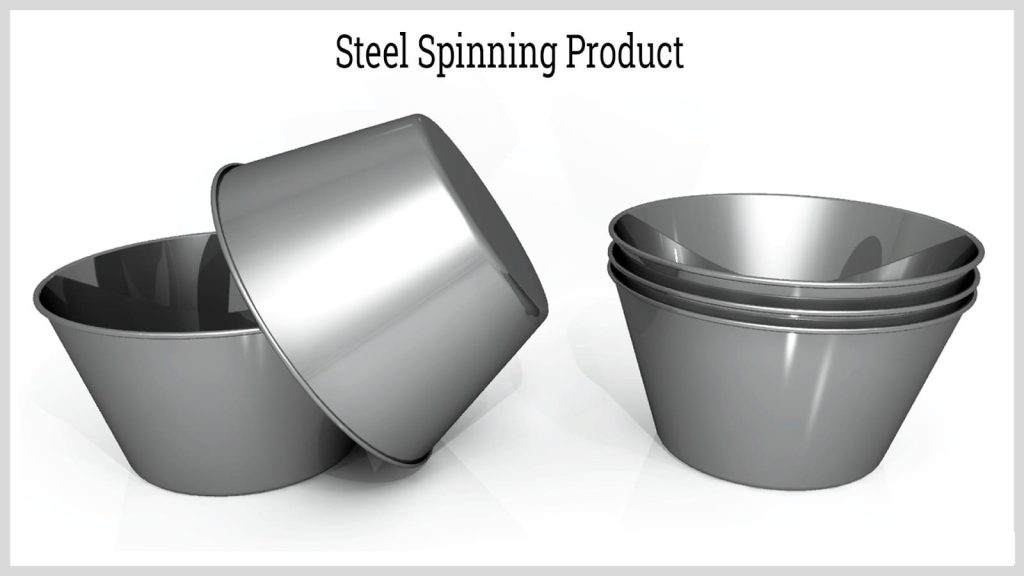
Both hot-rolled and cold-rolled steel, milled at different temperatures, are suitable for metal spinning. Steel finds applications in heavy-duty industries like automotive, construction, manufacturing, and aerospace, used for pressure vessels, tanks, and processing equipment.
Brass
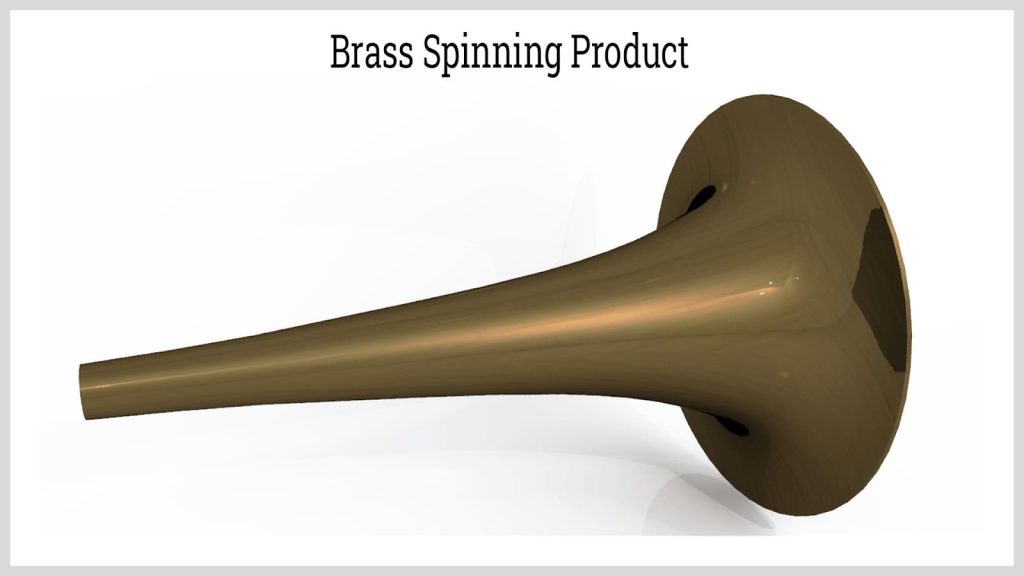
A copper-zinc alloy, brass features high thermal and electrical conductivity, good corrosion resistance, and an appealing appearance. Brass is ductile and malleable, making it ideal for metal spinning. Common spun brass parts include musical instruments, pipes, structural components, furniture, and electronic appliances.
Bronze
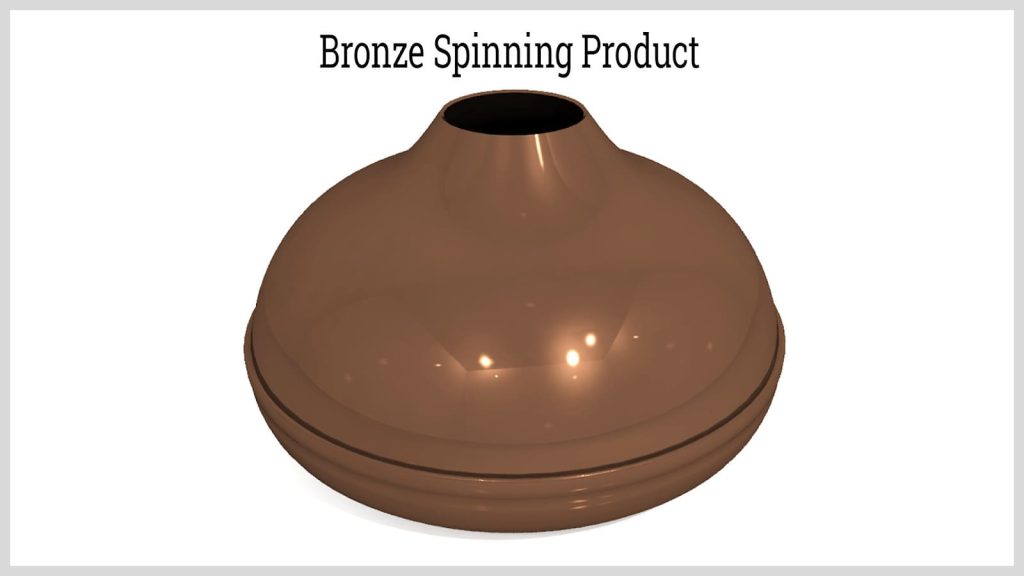
An alloy of copper, tin, manganese, and phosphorus, bronze is distinguished by its yellowish-brown appearance, higher strength, and rigidity compared to brass. Spun bronze parts, durable and strong, find applications in sculptures, musical instruments, trophies, engine components, and structural elements.
Hastelloy
Hastelloy, an alloy of nickel, chromium, and molybdenum, boasts exceptional chemical, oxidation, and corrosion resistance. Commonly used for tank heads in pressure vessels, especially in oil refineries, power plants, and chemical production sites, Hastelloy is also employed in automotive and aerospace components.
Titanium
Known for its high strength-to-weight ratio and chemical resistance, titanium is lightweight, soft, and ductile, making it suitable for metal spinning. However, its high cost makes it less frequently spun compared to other metals. Applications for spun titanium are diverse, given its exceptional properties.
In summary, the choice of metal in metal spinning depends on specific properties required for the intended application, such as strength, corrosion resistance, and cost considerations.
Chapter 6: Pros and Cons: Navigating the Realms of Metal Spinning
Metal spinning finds its niche in low to medium volume production runs, especially for concentric symmetric parts, where the cost of metal stamping dies becomes a hindrance. While metal stamping is more cost-effective for high-volume production, metal spinning excels in unique shapes that are impractical for stamping.
Hemispheres
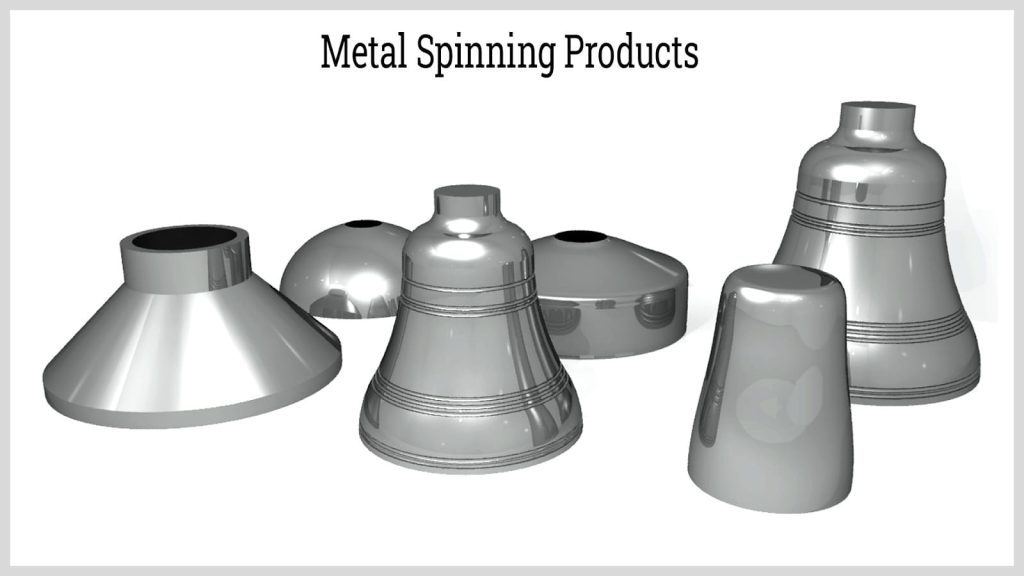
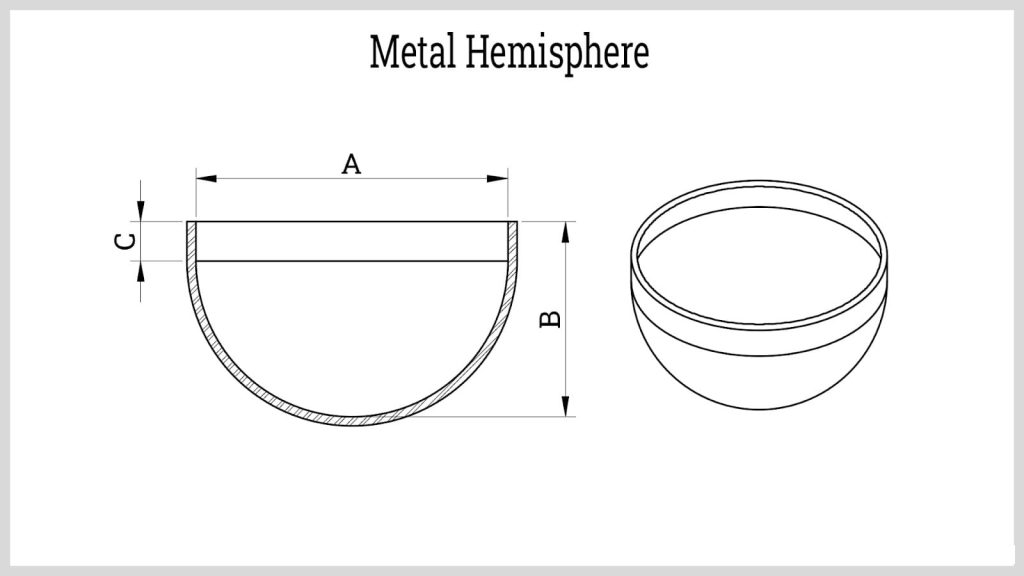
Metal hemispheres serve diverse purposes, including lighting fixtures, reflectors, mixing bowls, satellite dishes, tank heads, covers, caps, and domes. They come in straight wall and without straight wall designs and can be crafted from cold-rolled steel, stainless steels (grades 304 and 316), aluminum, copper, and brass.
Cones
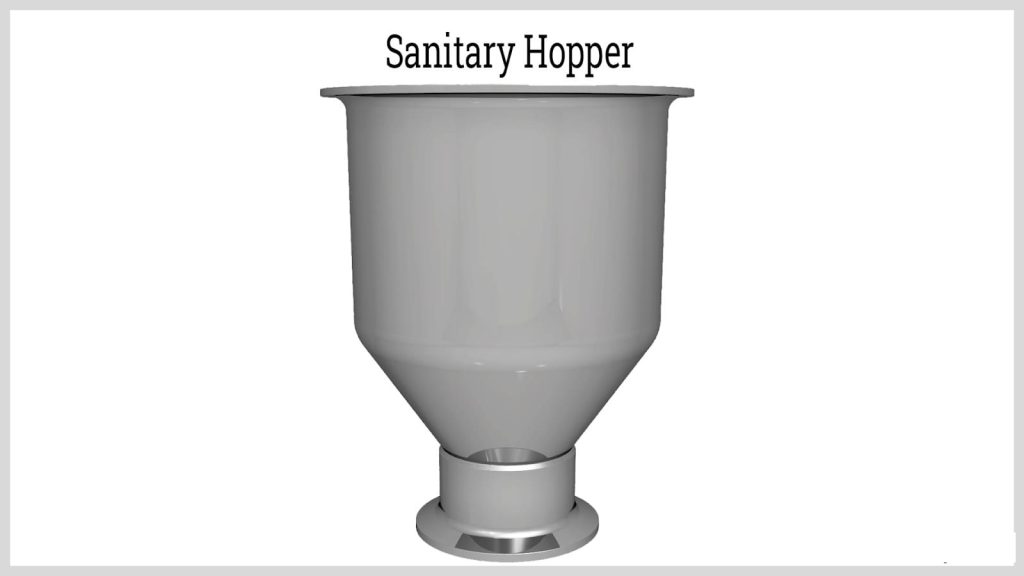
Cones produced through metal spinning find applications in funnels, hoppers, and cone pendants.
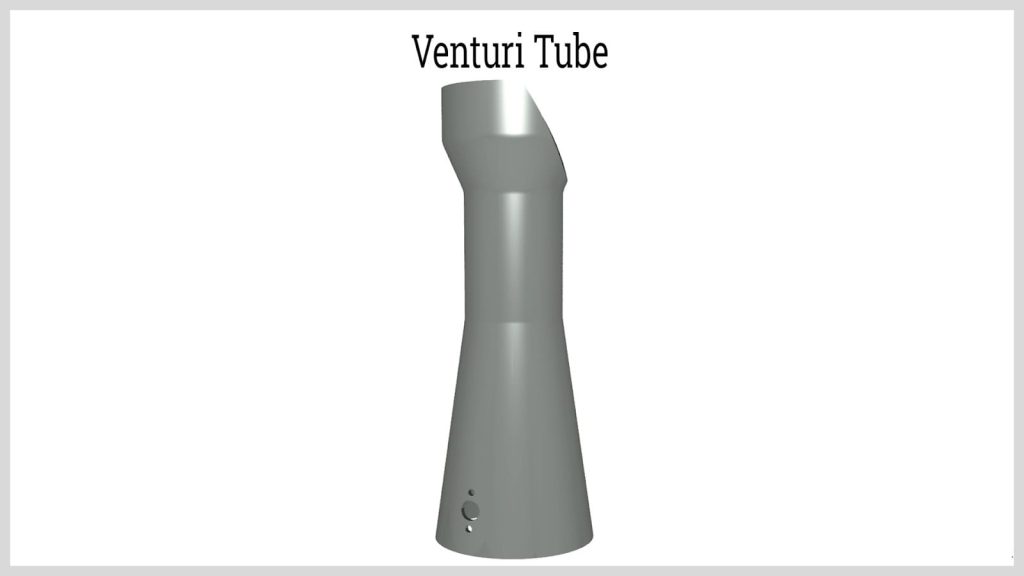
Venturi
Venturi tubes, essential components in dust collectors, fans, blowers, and scrubbers, are efficiently manufactured through metal spinning.
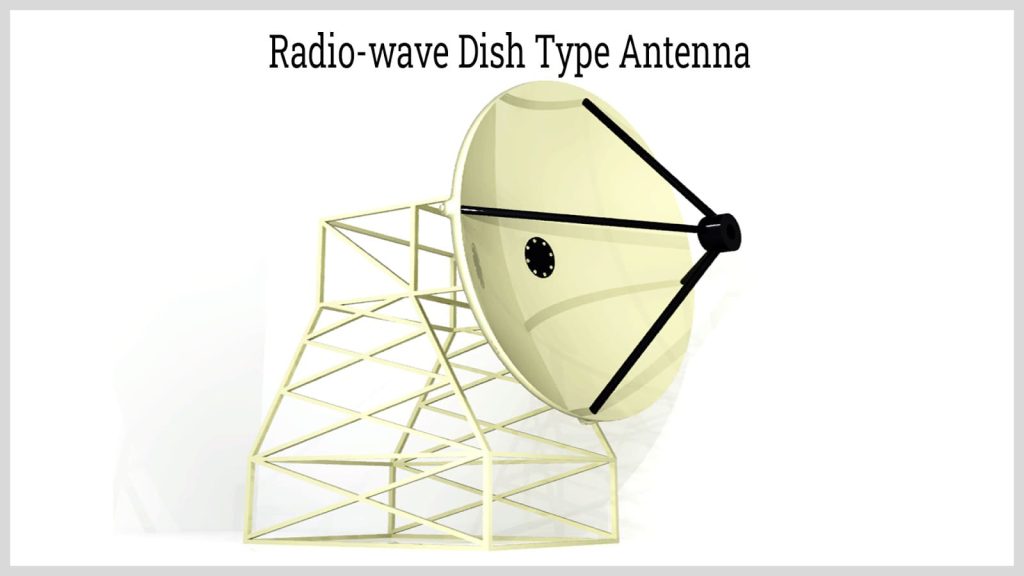
Parabola
Metal spinning creates parabolic shapes suitable for bells, antenna reflectors, satellite dishes, lighting fixtures, and bases for columns and stands.
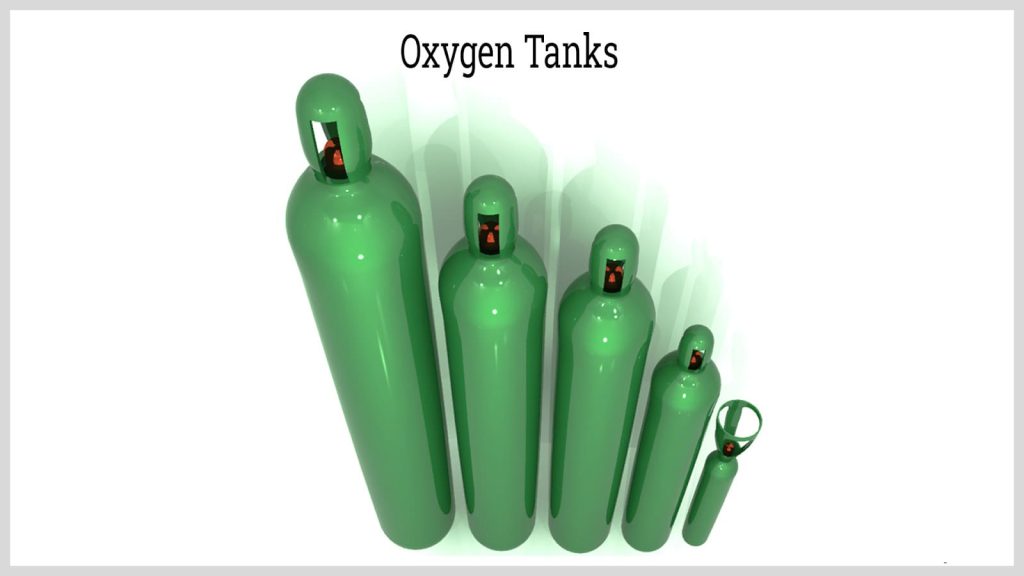
Cylinders
Metal spinning is applied to produce pipes, vessel and tank shells, gas cylinders, and cans with precision and efficiency.
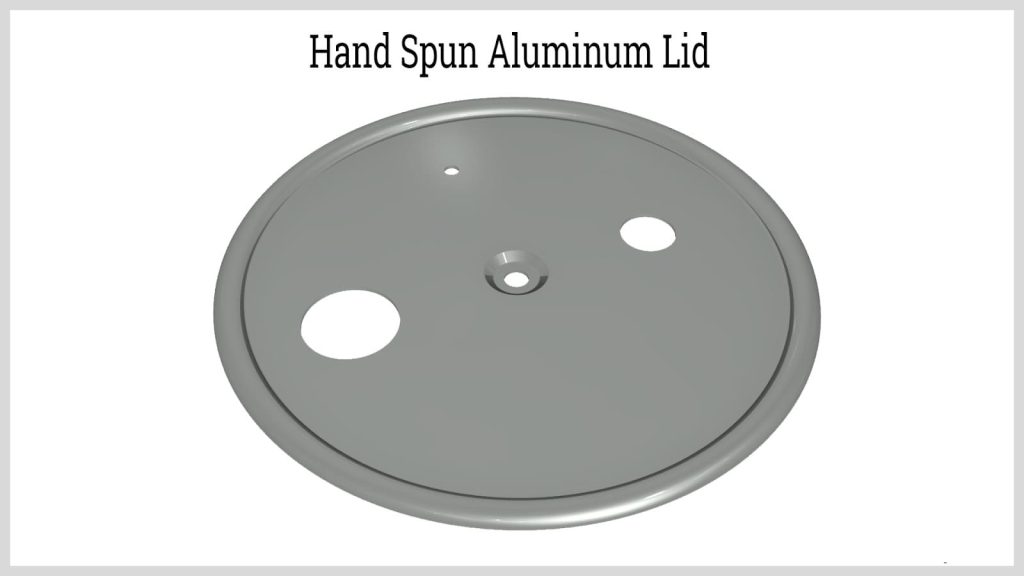
Hopper Lids and Bases
Hopper lids and bases, hand-spun for dispensing various materials, are crafted from high-quality aluminum, spun, and trimmed to customer specifications. Secondary processes such as hole and slot additions may be required.
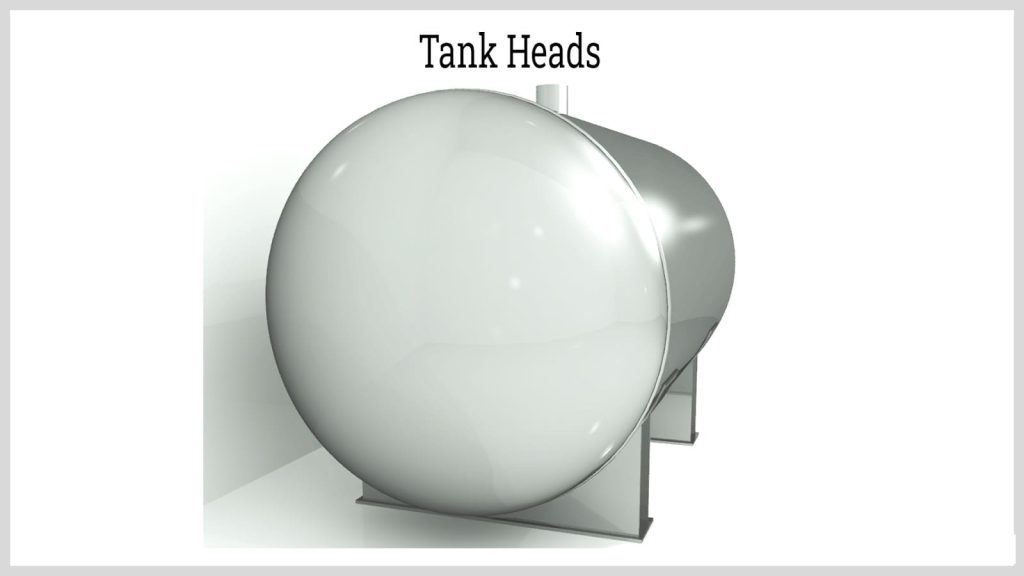
Tank Heads
Metal spinning plays a crucial role in fabricating tank heads for pressure vessels, storage tanks, and process equipment. As vessels endure high pressures and harsh environments, manufacturers prefer seamless, durable, and strong tank heads achieved through metal spinning. Precision control is essential to meet regulatory standards governing dimensions, strength, and composition.
Common tank head shapes include:
- Flanged only
- Dished only
- Flanged and dished
- Hemispherical
- High crown
- Torispherical
- 2:1 Semi-Elliptical
Metal spinning proves indispensable in crafting tank heads, ensuring compliance with regulations while meeting the stringent requirements of pressure vessels and other critical applications.
Chapter 7: And Beyond: Delving Deeper into Metal Spinning
Metal spinning, a unique metalworking process, offers several advantages and comes with its set of limitations. Understanding these aspects is crucial for informed decision-making in manufacturing applications.
Advantages:
- Greater Reliability: Metal spinning produces seamless and durable parts, eliminating weak spots like seams. This results in enhanced reliability, making spun parts capable of withstanding high internal pressures and external forces.
- Improved Mechanical Properties: Metal spinning refines the grain structure of the metal, leading to improved mechanical properties such as increased tensile strength, toughness, and hardness. This allows for lighter materials to achieve the same strength, ideal for applications requiring both lightweight and heavy-duty characteristics.
- Simpler and Cost-Effective Tooling: Metal spinning requires simpler, easier-to-maintain, and more cost-effective tooling compared to processes like stamping, casting, forging, or hydroforming. Soft and inexpensive tooling can be employed for low production demands, while harder tooling is reserved for large-scale production.
- Ease of Alterations: Minor alterations to the final part, especially size reductions, are easily and quickly performed with metal spinning. Adjusting tooling is a straightforward process, making it more cost-effective than in other metalworking and casting processes.
- Reduced Material Wastes: Metal spinning generates relatively smaller amounts of material wastes, contributing to cost savings and environmental considerations.
Disadvantages and Limitations:
- Longer Processing Times: Metal spinning tends to have longer processing times compared to other forming and casting processes, making it less suitable for large-scale production demands.
- Part Consistency Challenges: Achieving consistent part quality is challenging, especially in manual operations, where the operator’s skill level significantly influences part consistency.
- Limited to Axially Symmetric Shapes: Metal spinning is limited to the production of axially symmetric shapes, such as cones, parabolas, and hemispheres. Complex non-symmetric shapes are challenging to achieve.
- Small Room for Errors: Metal spinning has minimal tolerance for errors during production. Once defects like cracks or dents are induced, repairing the workpiece becomes difficult, leading to increased expenses and potential scrapping of defective parts.
- Safety Risks in Manual Operations: Manual metal spinning involves fast-moving parts, posing safety risks. Tight clamping between the tailstock and mandrel is crucial to prevent the workpiece from being thrown during operation. Operators must practice utmost attentiveness to minimize risks.
Conclusion:
In conclusion, metal spinning is a valuable metalworking process that transforms flat or preformed metal sheets into axially symmetrical figures. While it offers advantages such as reliability, improved mechanical properties, and cost-effective tooling, it also has limitations, including longer processing times and challenges in achieving consistent part quality. Understanding these pros and cons is essential for effectively utilizing metal spinning in various manufacturing applications.