
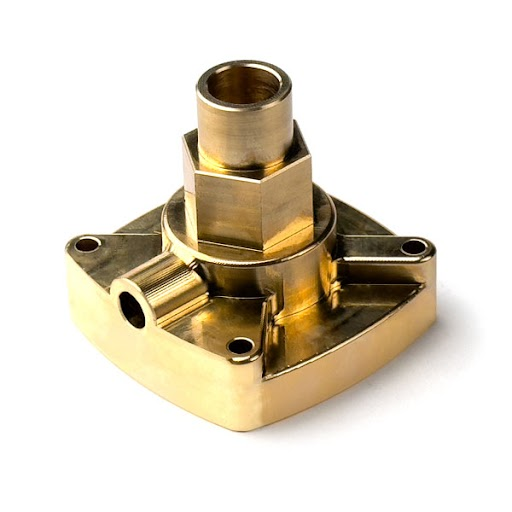
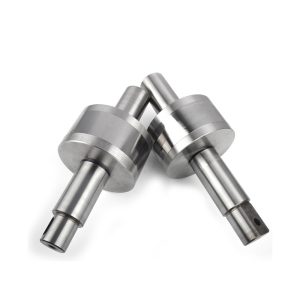
Bronze C510, C544 Machining services
Bronze is made by mixing copper with up to approximately 35% tin and up to 8% lead. The inclusion of lead alloy, which is a soft metal, is what makes it so machinable. Bronze is great for applications such as bearings as well as marine applications on pumps and fittings where corrosion resistance against seawater is required. This material’s mechanical properties don’t quite measure up to many other machinable metals, so it is best used on low-stress components made with CNC machining.
Bronze, brass, and other copper alloys have a range of important electrical, mechanical, and corrosion-resistant properties. Specifically, bronze has excellent machinability, with an index of 100%. It also has low friction properties that make it ideal for parts that undergo continuous frictional contact.
Description
Common types of bronze include:
- Aluminum bronze– A combination of 6-12% aluminum and up to 6% iron and 6% nickel gives this alloy superior strength and corrosion resistant qualities. It is typically used for pumps that carry corrosive fluids and in the oil, petrochemical and water supply industries. With superior resistance to saltwater corrosion, it is also a popular choice for marine applications.
- Bearing bronze– A lead content of 6-8% gives this alloy low-friction properties, making it useful for high wear environments (particularly) areas that are difficult to access or maintain). As the name implies, this bronze is typically used for bearings and bushings.
- Copper nickel– Also called “cupronickel,” this bronze contains nickel in a broad range: anywhere from 2% to 30%. Strong and corrosion resistant like other bronze alloys, it also has high thermal stability and a very high tolerance to corrosion cracking under stress and oxidation in a steam or moist air environment. Higher end nickel content provides higher resistance to saltwater and marine biological fouling. This alloy is useful for electrical components, marine equipment, ship hulls, pumps and valves.
- Manganese bronze– This alloy contains copper, zinc, aluminum, iron and up to 3% manganese. Strong and highly resistant to saltwater corrosion, it is also shock-resistant and deforms rather than breaks. It is typically used in boat propellers, valve and pump parts, gears, nuts and bolts.
- Phosphor bronze– Also referred to as “tin bronze,” this alloy generally contains between .5% to 1% tin and between .01% to .35% phosphorus. This combination delivers high tensile strength, durability, high fatigue and wear resistance, fine grain and a low coefficient of friction. It is most commonly used for anti-corrosive equipment, electrical components, washers, springs and bellows.
Reviews
There are no reviews yet.