

HDPE machining services
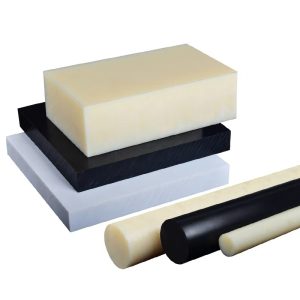
High-density polyethylene (HDPE), also known as polyethylene high-density (PEHD), is a thermoplastic polymer that also can be called “alkathene” or “polythene” when used for HDPE pipes, generally the white or black solid material used in HDPE machining. As the name suggests, HDPE has a marginally higher density than that of low-density polyethylene (LDPE), and stronger intermolecular forces and tensile strength, which gives it higher specific strength. HDPE parts are cost-effective options for many usages due to their affordability and durability.
Description
Mechanical Properties of HDPE (High Density Polyethylene)
– Tensile strength of HDPE (Yield at 23℃): 23.0 – 29.5 MPa
– Tensile strength of HDPE (Break at 23 ℃): 30.5 – 33 MPa
– Elongation of HDPE (Yield): 9% – 18%
– Elongation of HDPE (Break): 600% – 1350%
– Tensile Modulus of HDPE (23℃): 900 – 1550 MPa
– Flexural Modulus of HDPE: 970- 1380 MPa
Thermophysical Properties of HDPE (High Density Polyethylene)
– Density of HDPE: 0.955 – 0.961 g/ml
– Melting point of HDPE: 126 – 135 ℃
– Thermal conductivity of HDPE: 0.35 – 0.49 W/mK
– Crystallinity of HDPE: 60%
– Temperature of crystallization: 111.9 ℃
– Specific Heat Capacity of HDPE: 1330 to 2400 J/kg-K
– Coefficient of Thermal Expansion (x 10-5): 12.5 – 18.0 cm/(cm ℃)
– Heat Deflection Temperature (0.5 MPa): 64 – 77 ℃
– Shore Hardness (D Scale): 55 – 67

Reviews
There are no reviews yet.