
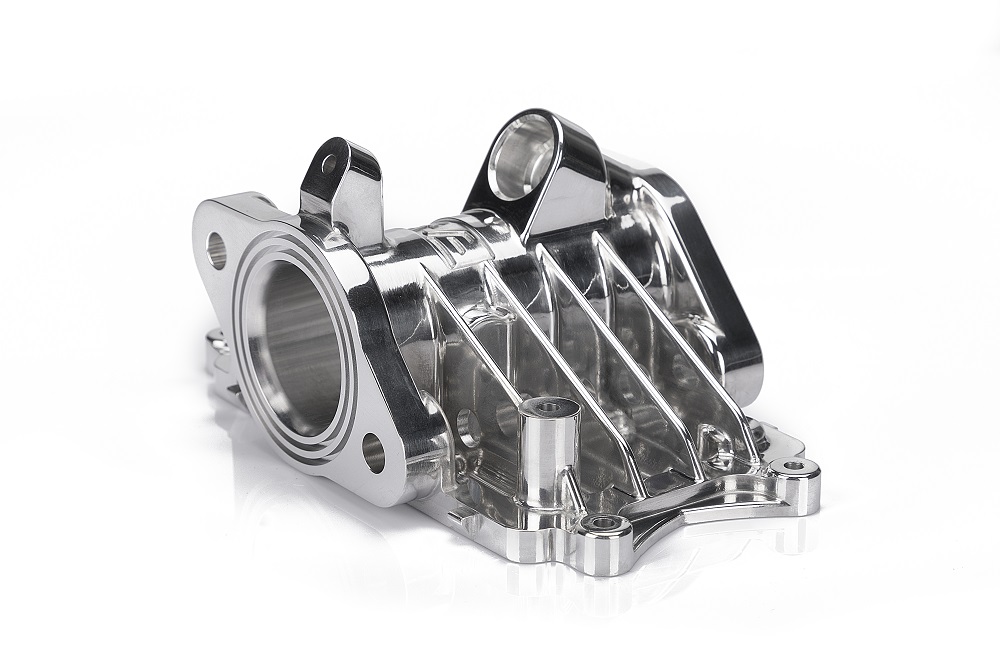
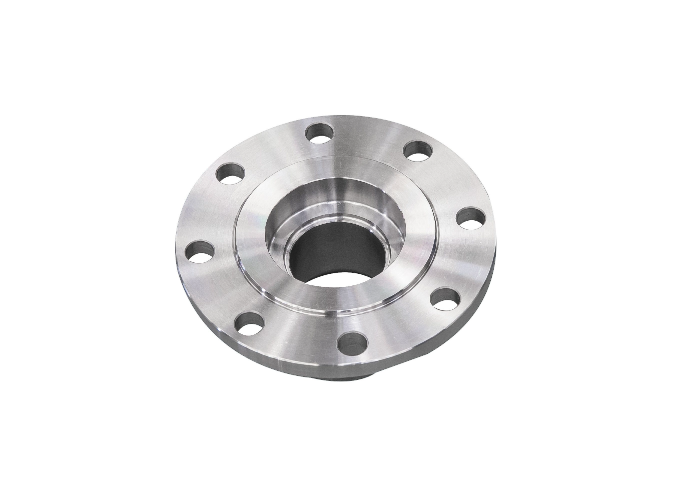
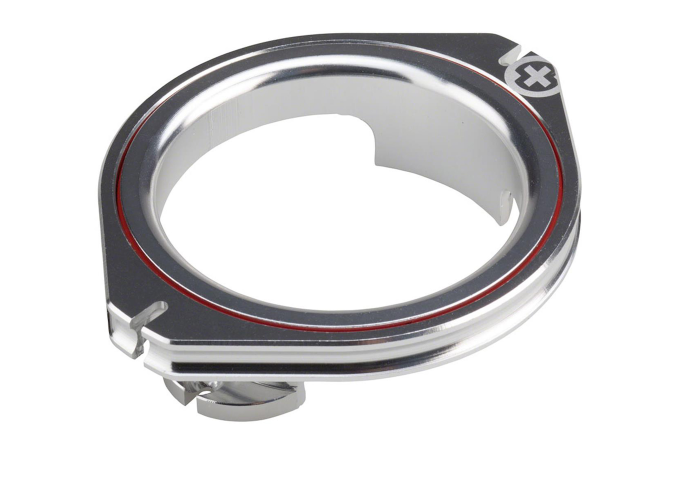
Polishing is the process of achieving a smooth and shiny surface, accomplished either through physical rubbing of the part or by chemical interference. This method results in a surface with significant specular reflection and, in some materials, can reduce diffuse reflection.
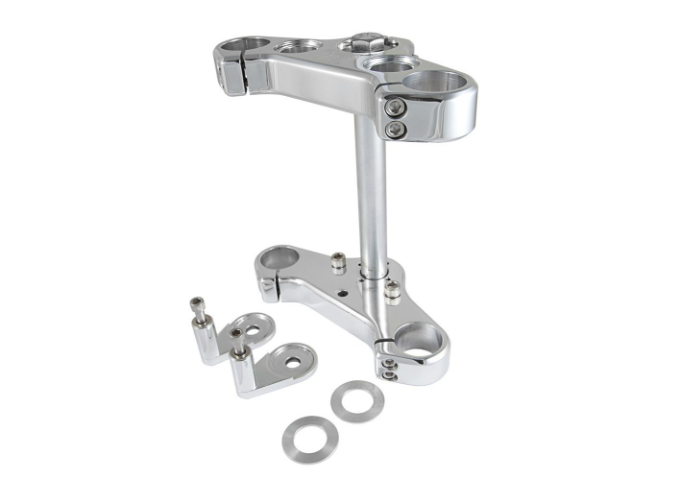
Polishing is a versatile technique that enhances the appearance of both new and used metal parts, spanning components in cars and other vehicles, handrails, cookware, kitchenware, and architectural metal. Additionally, pipes may undergo buffing, a type of polishing, to prevent corrosion and the accumulation of bacteria or mold. Buffing is also employed in the manufacturing of light reflectors.
Polishing Specifications
| Features | Info |
| Materials | Aluminum, Brass, Stainless Steel, Steel |
| Colors | n/a |
| Texture | Glossy |
| Types | Mechanical polishing, chemical polishing |
| Applications | Lenses, jewelry, sealing parts |
Design Considerations
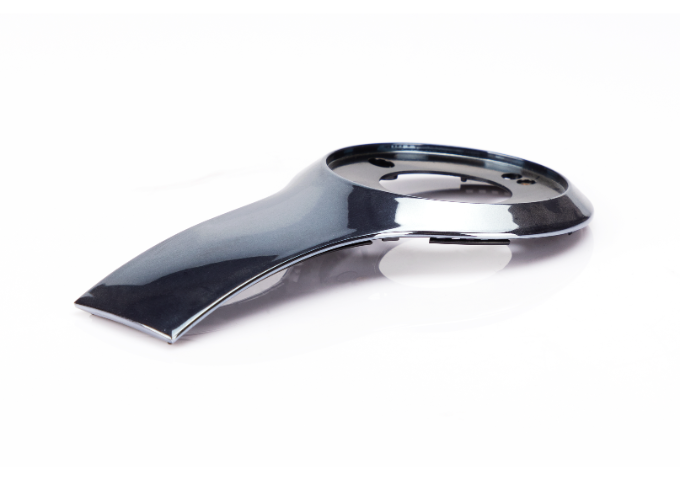
>With the exception of PC/PMMA, the impact of polishing on plastics is minimal. Materials such as Nylon and POM cannot undergo a polishing process.
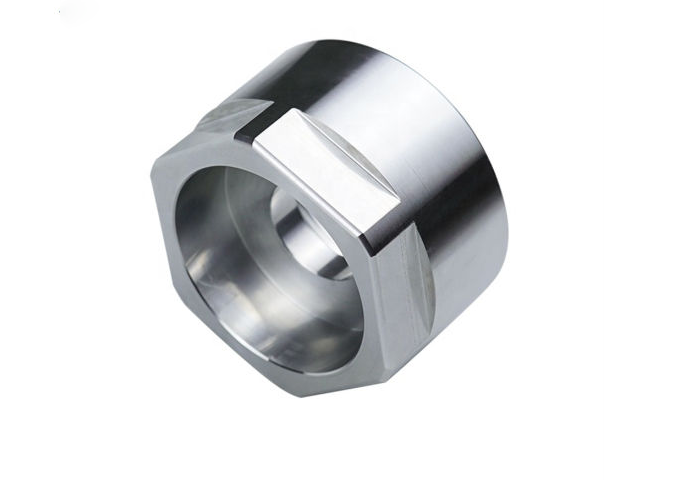
>Harder metals yield a more effective polishing outcome but come with higher associated costs.
>Precision requirements must not be excessively high when employing polishing, and parts with extremely intricate feature structures are not suitable for this process.