
Sheet metal fabrication is a widely utilized production process for manufacturing sheet metal parts. This process employs techniques such as bending, punching, cutting, and forming to create sheet metal components. After the fabrication of a sheet metal part, a post-processing stage can be employed to apply sheet metal finishes. Although not mandatory, this step is crucial for many sheet metal materials to enhance properties such as durability and anti-rust features.
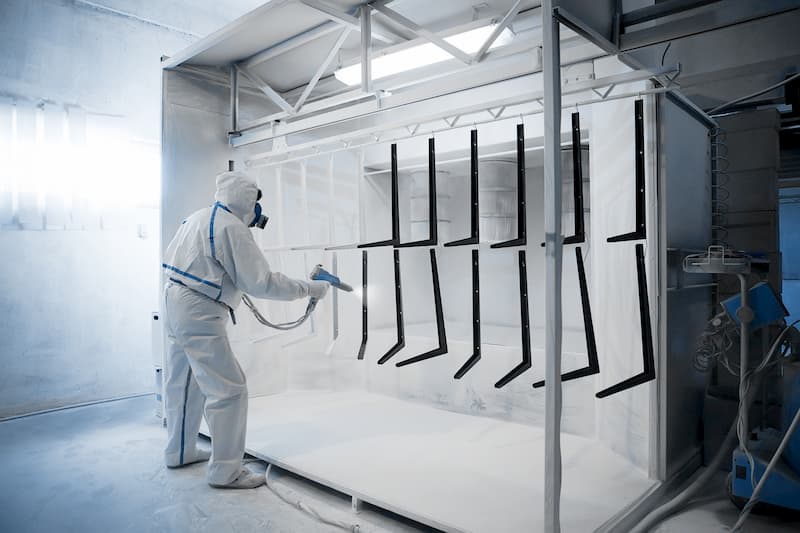
In contemporary sheet metal fabrications, various types of sheet metal finishes are available. This article will delve into common and high-quality sheet metal finishing options and guide you on how to choose the most suitable ones. Let’s explore!
Options for Finishing Sheet Metal Components
This segment will provide an overview of various sheet metal finishing processes that can be incorporated into your sheet metal design blueprint. It will encompass a brief explanation of their operational mechanisms, applications, as well as their respective advantages and disadvantages.
1. Bead Blasting
Bead blasting stands as a prominent sheet metal finishing technique, involving the propulsion of myriad minuscule abrasive particles, such as glass or sand, onto the surface of the sheet metal through the force of compressed air. The continual impact of these diminutive beads on the metal surface results in the creation of smooth finishes with matte textures.
This method is widely employed in sheet metal finishing and finds particular utility in cleaning or stripping paint from completed parts. The aesthetic appeal of metal components subjected to bead blasting makes it a favored choice for applications requiring a matte finish, especially in the realm of aluminum sheet metal finishes for components demanding superior visual quality. Bead blasting can seamlessly integrate with subsequent finishing processes as necessary, rendering it optimal for parts with cosmetic requirements.
Advantages:
- Bead blasting is a secure technique compatible with various materials, including aluminum, brass, stainless steel, and steel.
- It boasts prolonged durability in comparison to alternative sheet metal finishing methods.
- The process aligns with environmentally friendly practices.
- It proves advantageous for treating delicate or sensitive surfaces.
- Sheet metal finishes involving sand or glass are predominantly non-reactive.
Disadvantages:
- Bead blasting is not a rapid solution for sheet metal finishing.
- The utilization of silica in sheet metal finishes can pose hazards associated with lung diseases and cancer.
- It may not be cost-effective for smaller projects.
- Operators need to adhere to stringent precautionary measures.
2. Anodizing
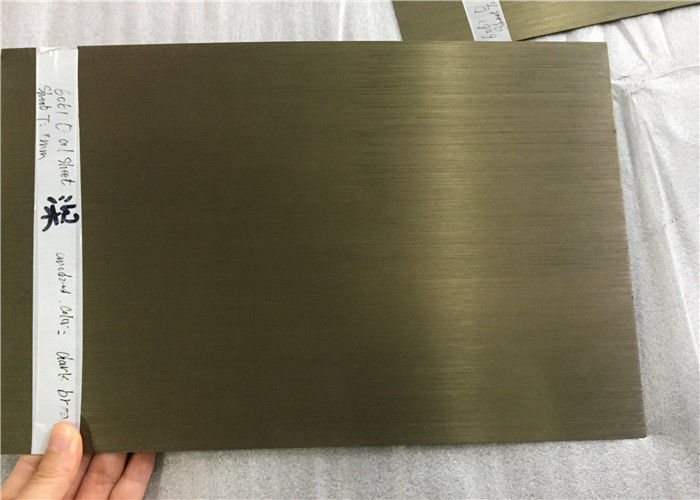
Anodizing stands out as a prominent sheet metal finishing solution specifically applied to aluminum and titanium sheet metal components. This electrochemical process creates a corrosion-resistant layer on the surface of the sheet metal part.
The method involves immersing the sheet metal part into an acid electrolyte bath and subjecting it to an electric current. This combination induces the conversion of the sheet metal part’s surface into an anodic oxide layer seamlessly integrated into the material.
Exclusive to aluminum and titanium, anodization is available in three variations: Type I, Type II, and Type III.
- Type I anodization utilizes chromic acid to generate thin-layer sheet metal finishes on the surface.
- Type II anodization employs sulfuric acid, resulting in a robust corrosion-resistant layer.
- Hardcoat anodization/Type III produces thicker, corrosion-resistant, and wear-resistant sheet metal finishes.
Anodization offers the added benefit of imparting various colors to the surface finish. Widely used in the production of mechanical parts, aircraft and automotive components, precision instruments, and more.
Advantages:
- Outstanding corrosion and abrasion resistance.
- No risk of adhesion failure, fading, or chalking.
- Anodization yields impeccable and permanent sheet metal finishes.
- The final product is UV stable.
- A broad spectrum of sheet metal finishes is achievable.
Disadvantages:
- Limited compatibility with materials beyond aluminum and titanium.
- Aluminum and titanium sheet metal finishes exhibit lower thermal conductivity.
- Incompatible with stainless steel.
- Achieving consistency can be challenging when working with different sheet metal parts.
3. Powder Coating
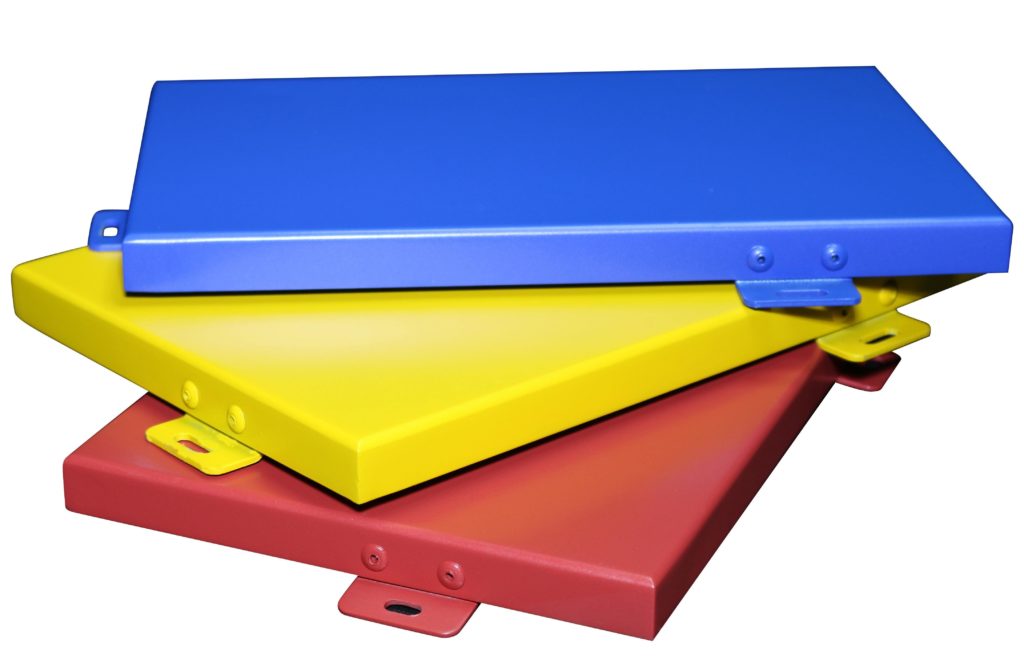
Powder coating is a visually appealing finishing process involving the application of powdered paint onto a material’s surface. In the realm of sheet metal fabrication, the coated sheet metal undergoes a baking process to ensure a robust bond with the paint, resulting in a resilient layer that is both corrosion and wear-resistant. This distinguishes powder coating from conventional painting methods, as it fortifies the component with a durable external layer.
Offering a diverse color palette, including customization options with specific codes such as RAL or Pantone, powder coating caters to client preferences and brand aesthetics. Furthermore, it provides a range of sheet metal finishes, from glossy and semi-glossy to flat, metallic, and textured. Pricing for powder coating varies depending on factors like color, finish, and part geometry.
Advantages:
- Remarkable corrosion and abrasion resistance.
- No risk of adhesion failure, fading, or chalking.
- The applied sheet metal finishes are enduring and cost-effective.
- The final product is non-toxic and less flammable.
- A broad array of sheet metal finishes is available, suitable for virtually any type of sheet metal.
Disadvantages:
- Inability to mix powders to achieve different colors.
- The process can incur relatively higher costs.
4. Electroplating
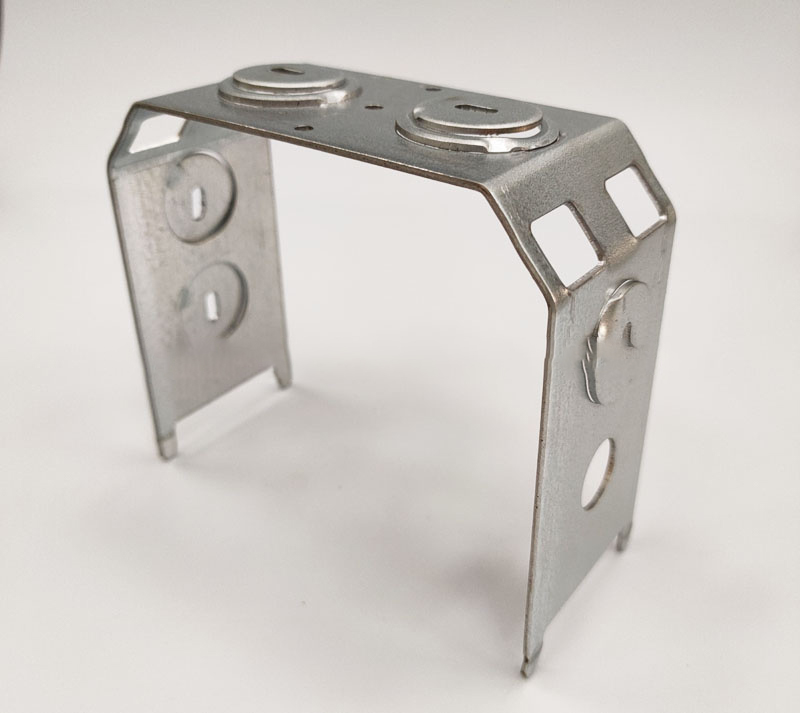
Electroplating, a widely embraced sheet metal finishing process, involves the deposition of fine layers of a sacrificial metal onto the surface of a sheet metal part. This is achieved by placing the sacrificial metal in the anode position and the sheet metal part in the cathode position, both immersed in an electrolyte resembling the anodic material. The two metals undergo a chemical bonding process through electric conduction.
Various materials are available for electroplating, each offering distinct combinations of properties. YS, as a premier online rapid prototyping service, offers electroplating options for sheet metal parts using tin, nickel, and electroless nickel. Notably, when employing electroplating, original part tolerances should consider the final plating’s thickness.
Electroplating serves to enhance conductivity (depending on the sacrificial metal) and improve a part’s resistance to radiation, making it a common choice for producing radiation shields.
Advantages:
- Remarkable corrosion and abrasion resistance.
- Enhanced conductivity.
- Reduction in friction.
- Compatibility with various types of sheet metals.
Disadvantages:
- Potential for higher costs.
As a leading provider of online rapid prototyping services in China, YS offers a comprehensive range of sheet metal finishing solutions to global customers. Acknowledging the uniqueness of every rapid prototyping and production job, YS collaborates closely with customers to meet specific requirements.
Complementing extensive sheet metal fabrication capabilities, YS provides professional finishing solutions, ensuring the delivery of top-quality parts, whether for prototypes or end-use components.
Beyond sheet metal fabrication, YS offers CNC Machining, Injection Molding, and 3D Printing production services. Learn more about CNC Machining finishing solutions and Injection Molding finishing solutions, and stay tuned for an upcoming blog post on 3D Printing finishing solutions.
Selecting the appropriate sheet metal finishing process involves considering several key factors to ensure optimal results. Here are some crucial considerations to guide your decision:
1.Material Compatibility:
- Different sheet metal finishing processes are compatible with specific materials. For instance, anodizing works exclusively with aluminum and titanium. It’s crucial to choose a finishing method that aligns with the material properties to avoid damage or inefficiencies.
2.Coating Thickness:
- The desired coating thickness varies among finishing solutions. Powder coating can produce thickness ranging from 35 µm to 200 µm, while anodization thickness varies based on the type. Understanding your project’s requirements in terms of coating thickness is essential for achieving the desired outcomes.
3.Intended Uses:
- Consider whether the sheet metal finishes are primarily for aesthetic purposes, functional reasons, or a combination of both. Some finishes, like stainless steel sheet finishes, may be chosen primarily for aesthetics, while aluminum sheet metal finishes are commonly used for both aesthetic and functional reasons.
4.Turnaround Time:
- Production speed is a critical factor, especially when facing time constraints. Select a sheet metal finishing solution that aligns with your project’s timeline. However, balance the need for speed with the desired level of quality, as faster solutions may not always provide the highest quality finishes.
5.Cost Considerations:
- Evaluate the cost-effectiveness of each finishing solution. Some processes, such as anodizing, may be more expensive. It’s essential to strike a balance between cost and quality to achieve a unique and economically viable solution for your project.
In conclusion, sheet metal finishes play a vital role in the realm of sheet metal fabrication, serving both aesthetic and functional purposes. The variety of available finishing processes offers flexibility, but the selection process should be informed by factors such as material compatibility, coating thickness requirements, intended uses, production speed, and overall cost considerations. By carefully considering these factors, you can make informed decisions to ensure the success of your sheet metal projects.