
Injection molding stands as a pivotal process for the production of plastic parts, offering speed, cost-effectiveness, and the ability to generate large volumes of identical objects. An inherent advantage of injection molding is the naturally smooth surface finish of molded parts, making them suitable for various applications without additional treatments.
While pre-coloration of plastic pellets can eliminate the need for post-fabrication painting or tinting, the diverse range of injection molding applications often necessitates some form of surface finishing. Whether for aesthetic reasons, to enhance lifespan, or achieve a specific plastic glossy texture, different surface finishes are employed. This guide outlines various SPI (Society of Plastic Industry) surface finish options available for injection molded parts, offering insights into specific materials.
Available Injection Molding Surface Finish Options:
There are multiple surface finish options for custom parts, particularly for injection molded plastic components. These surface finishing techniques play a role in modifying the roughness of a part to meet specific requirements. Whether aiming for a plastic glossy texture for aesthetic parts like toys or a rougher finish for mechanical components to reduce costs, surface finishes are tailored to diverse needs.
The Society of Plastic Industry (SPI) has established industry standards for plastic injection molding surface finishes. The SPI finish designation categorizes the aesthetic qualities of plastics for injection molded parts, encompassing 12 standard plastic surface finish types.
By understanding and leveraging these surface finish options, manufacturers can customize the appearance and texture of injection molded parts according to the specific demands of their applications.
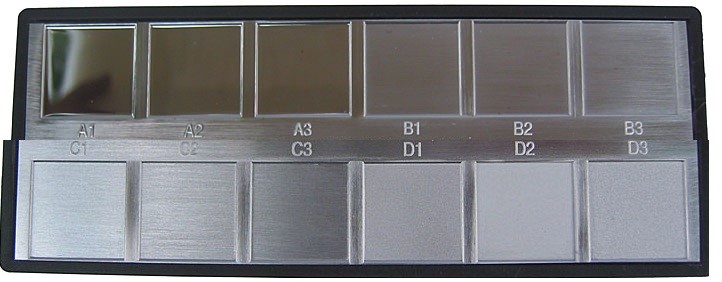
These finishes are categorized into four groups, spanning from smooth finishes to coarser ones. Alternatively, you have the option to keep your parts in their molded state, which is suitable for non-aesthetic components and parts manufactured from robust steel tooling.
Here are the SPI surface finish types:
Grade A: Glossy Injection Molding Surface Finish
Minimum roughness: 0.012 μm
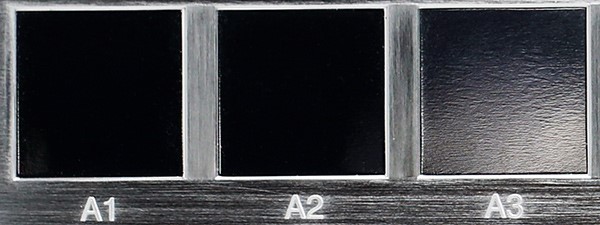
To enhance the glossiness of injection-molded parts, manufacturers often employ specialized finishing processes, such as diamond buff polishing. In this method, a loose abrasive material is applied to a work wheel and then gently applied to the part’s surface, ensuring minimal aggression and contributing to the attainment of the glossiest plastic finishes.
It’s important to note that not all materials are conducive to achieving a plastic glossy texture. While plastics like acrylic and PC can attain a very smooth finish through buffing, attempting such a finish on materials like TPU becomes virtually impossible. This is due to the high abrasion resistance of such plastic materials, making them resistant to the buffing process.
Grade B: Semi-Glossy Injection Molding Surface Finish
Minimum roughness: 0.05 μm
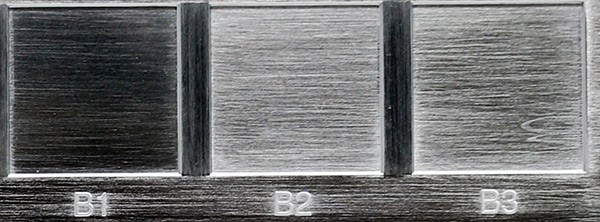
When a level of glossiness is desired for parts, opting for a B-grade finish achieved with grit sandpaper is an ideal choice. This process proves to be compatible with a broader spectrum of injection molding plastics, yielding highly aesthetic parts suitable for various applications, including consumer products.
Grade C: Matte Injection Molding Surface Finish
Minimum roughness: 0.35 μm
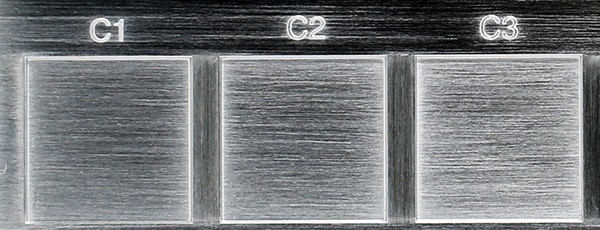
Eliminating machining marks from molded parts without introducing a glossy finish can be achieved through the use of grit sanding stones. This process is well-suited for parts that don’t require a high level of aesthetics but demand a uniform surface finish. Despite delivering a high-quality mold surface texture, this SPI surface finish ensures the absence of noticeable marks or divots. The stone polishing process is applicable to a wide range of injection molding plastics.
Grade D: Textured Injection Molding Surface Finish
Minimum roughness: 0.80 μm
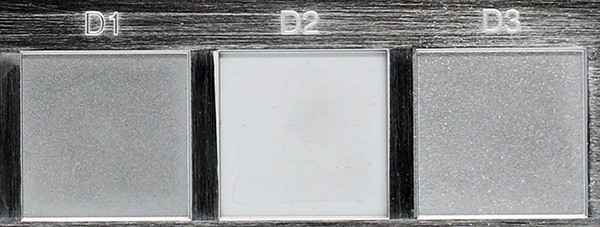
Certain parts necessitate a notably rough or textured SPI surface finish, often aimed at increasing friction for mechanical purposes. In such cases, the sandblasting process proves effective. Sandblasting utilizes compressed air to direct abrasive material forcefully against the part, achieving the desired roughened surface.
Factors Affecting Injection Molding Surface Finish:
Achieving precise control over the texture of a plastic part involves treating molded parts with dedicated plastic finishes. However, certain steps can influence the surface finish even before the molding cycle begins.
- Tooling:
- The choice of mold material significantly impacts the injection molding surface finish. While various metals can be used for molds, hardened tool steel and aluminum are the most common options. Hardened tool steel molds are crucial for achieving the smoothest plastic finishes, especially when parts have aesthetic requirements demanding minimal surface roughness.
2. Material Choice:
- The selection of materials for injection molding plays a critical role in determining the achievable surface finish. Not all materials yield the same finish; some plastics are more amenable to smooth finishes, while others are better suited for textured outcomes.
- Material additives, such as fillers and colors, can also impact the surface finish of molded parts. The suitability of specific injection molding materials for SPI finish designations varies, and careful consideration is essential.
| Grade | Surface | Compatible Materials |
| A | Glossy | Acrylic, PC |
| B | Semi-glossy | ABS, HDPE, Nylon, PP, Polystyrene |
| C | Matte | ABS, HDPE, Nylon, PP, Polystyrene |
| D | Textured | ABS, HDPE, Nylon, PP, Polystyrene, TPU |
- Process Variables:
- Various factors within the injection molding process, such as injection speed and temperature, have a notable impact on surface finishes for molded parts. A fast injection speed and elevated melt temperature contribute to achieving glossier surface finishes with fewer weld lines.
- Additionally, a quicker filling of mold cavities can decrease the visibility of weld lines, improving the overall appearance of plastic finishes. The combination of high mold and melt temperatures with a swift injection speed results in a smoother SPI surface finish.
4. Functional Reasons:
- Beyond the aesthetic considerations in selecting an injection molding surface finish, functional aspects also come into play. For instance, a textured finish may be necessary to ensure better adhesion of paint to the molded part. In such cases, opting for a smooth SPI surface finish could lead to paint detachment.
- Certain products may require a solid grip for improved performance. Textured plastic finishes enhance the quality of a grip, making them beneficial for slip-resistant parts. Moreover, a textured SPI surface finish can add strength to the part, enhancing its safety levels.
YS’s Quality Injection Molding Services
YS provides premium plastic injection molding services at highly competitive prices. With a selection of over 100 different plastic resins and materials, you can trust that your product undergoes top-notch manufacturing. Our extensive range of materials, coupled with our expertise and experience, ensures the delivery of on-demand injection molding services.
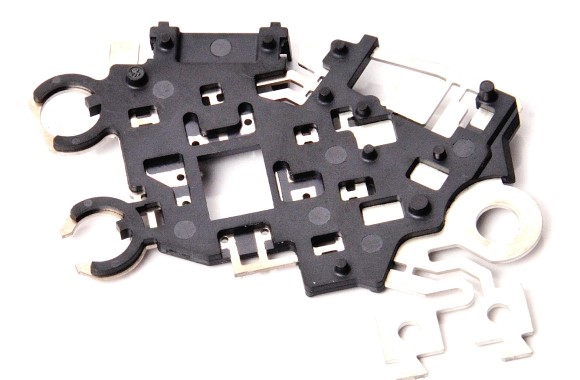
Leveraging our extensive expertise in diverse injection molding surface finish options guarantees that your parts receive the finest finishes. Simply upload your design file, and our instant quotation platform will swiftly generate quotes for you within seconds. Don’t miss out on the numerous advantages offered by our technology-driven manufacturing platform.
The image below provides a comprehensive list of widely used injection molding materials, accompanied by ratings indicating each material’s suitability for various SPI finish designations.
- 1 = Not recommended
- 2 = Average
- 3 = Good
- 4 = Highly recommended
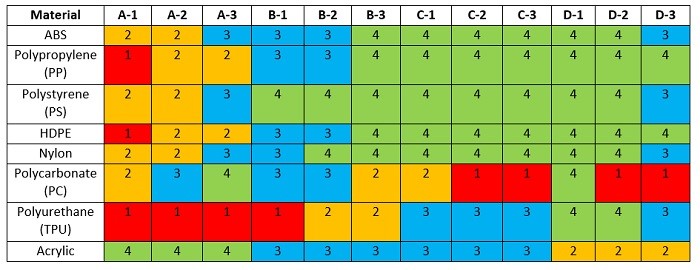
Choosing specific plastic surface finish types in injection molding serves several purposes, addressing issues such as hiding defects like weld lines, sinks, blush marks, and flow lines. These finishes also contribute to the durability of parts, offering resistance against contact damages during shipping or use, particularly in the case of textured surface finishes. Textured finishes not only enhance paint adhesion but also provide the necessary pull for creating undercuts.
Moreover, injection molding surface finishes play a crucial role in improving the aesthetics of the product, preventing scuffs and scratches, and contributing to overall product durability. These considerations underscore the importance of selecting an ideal injection molding surface finish for your plastic part.
In conclusion, the early incorporation of the right injection molding surface finish is paramount in the design process. It impacts various aspects, including tooling, material choice, and other critical decisions. Collaborating with a plastic injection molding expert, such as the professionals at YS, can ensure that you make informed choices aligned with your project goals. Contact YS experts today for personalized assistance!
Let’s Start A New Project Today