
Surface finish plays a crucial role in the CNC machining process, as many applications require both aesthetic appeal and functional design. Modern industrial designers utilize advanced tools and checks to ensure the functionality of their designs. Therefore, CNC machining surface finishes become a key area where they can differentiate their products and make them stand out.
Now, let’s explore the basics of CNC machining surface finishes and highlight considerations for selecting the right type for any project.
Before delving into the main types of finishing for CNC machining, let’s first explore the primary pre-finish processes commonly used in the industry:
- Degreasing:
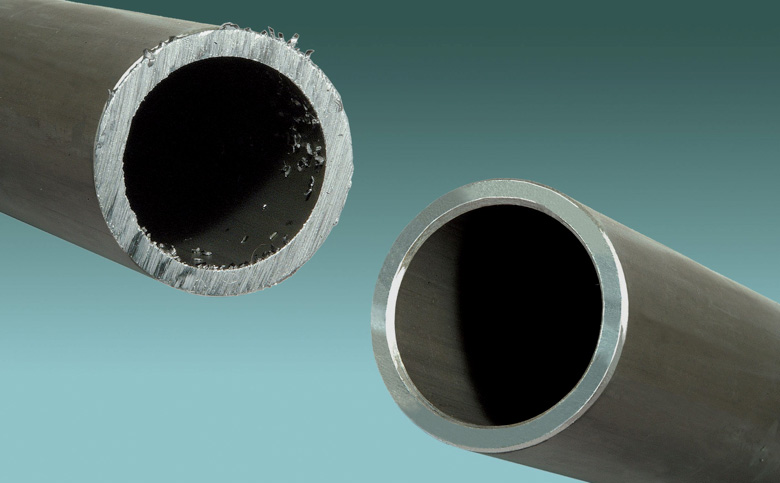
The machining process exposes the workpiece to various contaminants such as oils, coolants, and other lubricants that reduce heat and friction. Degreasing is the process of removing these contaminants using different solvents or ultrasonic methods. In simpler cases, washing the part may suffice. The appropriate process depends on the material properties and overall finishing requirements of the project. - Deburring:
This process is essential for removing sharp edges and protrusions from the workpiece. Deburring is crucial because burrs can negatively impact the performance of the part and pose a safety hazard.
3.Grinding:
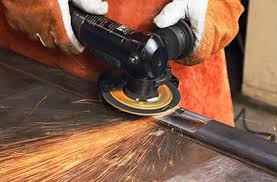
Grinding employs an abrasive wheel to clean the surface and eliminate any excess material. It is a fundamental process that produces an even and smoother finish, particularly suitable for materials prone to accumulating contaminants.
- Inspection:
Following the aforementioned processes, the final step involves inspecting the part for any defects and addressing any issues that may exist.
Types of CNC Machining Surface Finishes:
When choosing among different types of surface finishes, the industry typically categorizes them into three main groups.
As Machined Finishing:
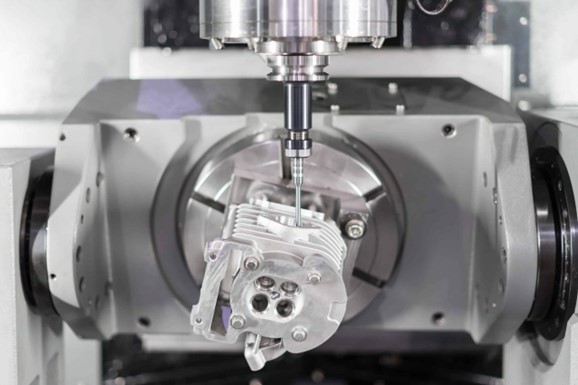
As machined finishing refers to a surface finish that requires no further processing after dismounting from the CNC machine. This finish retains visible tool marks and a rough texture. The key determinant of finishing quality is surface roughness (Ra), which represents the average deviation of the machined profile from the ideal surface. Specific Ra values are commonly used to gauge the quality of machined finishes, and these values may vary depending on the application. It’s important to note that while Ra is a crucial factor, other considerations such as surface integrity, waviness, and flatness also impact the overall quality of the surface finish. Typical industry Ra values include:
- 3.2 μm Ra
- 1.6 μm Ra
- 0.8 μm Ra
- 0.4 μm Ra
Advantages of As Machined Finishing:
One of the primary advantages of choosing as machined finishing is the dimensional tolerances it offers. Smaller surface roughness corresponds to higher dimensional tolerance for the part. Additionally, machined finishes do not incur additional costs, making them ideal for projects with tighter budgets.
However, it’s worth noting that machined finishes leave visible tool marks on the workpiece, which may not be suitable for high-value projects where aesthetics play a significant role.
Chemical Finishing:
Anodizing:
Anodizing is a chemical process that involves immersing a part in an electrolyte solution to form a protective oxide layer on the surface. There are two types of anodizing: type II, which creates a decorative layer, and type III, a hard coat suitable for high-performance applications. Both types use a sulfuric acid bath and electrolysis to create a uniform oxide layer.
- Type II Anodizing: The resulting layer is relatively thin (up to 25 microns), providing flexibility for various applications. However, the thinner layer makes the material more susceptible to abrasions and corrosion after prolonged exposure.
- Type III Anodizing: This process involves higher voltage current and controlled lower temperature, resulting in a thicker oxide layer (25 to 150 microns) that offers better corrosion and abrasion resistance. However, the thicker layer may make the workpiece brittle under severe stress, so careful consideration for the application is necessary. Anodizing provides corrosion protection and wear resistance. For aluminum parts, the anodizing layer may serve as the only surface treatment. Various color options, such as black, blue, pink, bronze, enhance the overall aesthetic appeal. However, anodizing is relatively expensive and adds an additional layer, which may not be suitable for high-precision applications.
Alodine Coating:
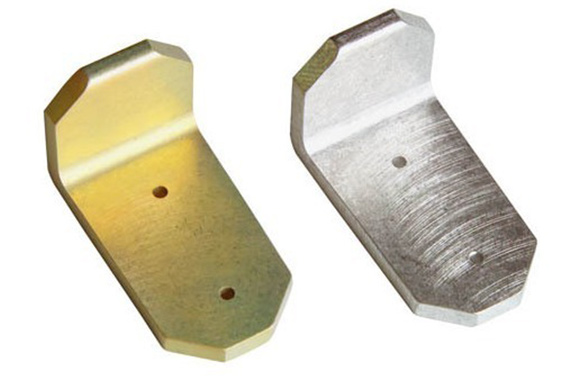
Alodine coating, or chromate conversion, is a common process for aluminum and other non-ferrous metals. This process applies a thin chromate coating, enhancing corrosion resistance and adhesion. Typically, parts with Alodine coating may undergo additional paint coating to ensure longevity.
Concerns Regarding Alodine Coating:
There are notable concerns associated with Alodine coating. Firstly, it poses environmental hazards and significant safety risks for workers. The process itself is complex and demands extreme precision, potentially increasing overall costs.
Black Oxide Coating:
Black oxide coating is effective for steel, copper, and alloys that react well with oxygen. It forms a robust oxide layer, offering protection against contaminants and physical damage. Besides corrosion and wear resistance, black oxide layers exhibit high lubricity, making them suitable for applications with friction.
However, black oxide coating has drawbacks. It is susceptible to abrasion, making it unsuitable for applications with high mechanical stress. Additionally, its corrosion resistance is not exceptionally high, making it prone to failure under constant exposure to harsh conditions. Overall, black oxide coating is well-suited for regular applications but may fail in severe environments with high levels of contaminants, temperature, and mechanical stresses.
Electroplating:
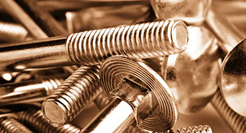
Electroplating is a common and versatile surface finishing method for CNC parts, known for its functional benefits and aesthetic enhancements. This process deposits a thin metallic layer on the workpiece, providing protection against contaminants and corrosion.
Beyond its functional advantages, electroplating is valued for its ability to improve the aesthetic appeal of surfaces. With options such as decorative and satin finishes, electroplating is considered one of the most attractive finishing choices in the industry. This makes it an ideal option for applications where aesthetics play a significant role. Whether the goal is to add visual appeal to a product or enhance the appearance of a component, electroplating offers an excellent solution.
Concerns Regarding Electroplating:
While electroplating offers functional and aesthetic benefits, it is a highly complex and precise process requiring significant technical expertise and experience for successful application. The use of numerous hazardous chemicals and substantial energy consumption raises environmental concerns. Additionally, electroplating is limited to conductive materials, restricting its application in certain industries that may require non-conductive materials.
Passivation:
Passivation is a common post-processing technique in CNC machining, primarily used for stainless steel parts. After machining, parts undergo thorough cleaning to remove residual oils, coolants, and metal debris. Subsequently, they are immersed in a passivation solution, typically composed of nitric acid, citric acid, or a combination of both.
During passivation, the acidic solution chemically reacts with the part’s surface, removing impurities and creating a uniform oxide layer. This layer enhances corrosion resistance and protects against environmental factors. The passivation process duration varies based on part size and complexity, typically taking several hours to complete.
Mechanical Finishes:
Mechanical finishes involve processes where the workpiece undergoes mechanical stresses and abrasions to achieve the final product. While many mechanical finishes don’t require post-processing, options like paint or coatings can enhance longevity and durability.
Types of Mechanical Finishes:
Bead Blasting:
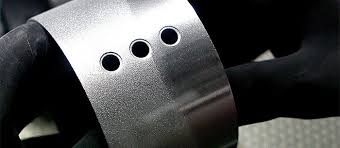
Bead blasting entails propelling spherical glass or ceramic beads onto the part’s surface. This process produces a textured, matte finish, masking imperfections and creating a uniform appearance. It also removes contaminants, crucial for subsequent processes like paint and electroplating, as contaminants can hinder these processes.
Concerns Regarding Bead Blasting:
While bead blasting is considered safe, any mistake during the process can potentially cause significant surface damage to the part. The method may affect dimensional accuracy and functionality, and its associated costs are relatively high. Consequently, bead blasting is often chosen for luxury items or expensive parts where its benefits justify the investment.
Powder Coating:
Powder coating is a prevalent surface finish for metallic parts due to its durability and versatile performance. It resists scratches and chips, maintains color stability over time, and offers a broad range of color options for enhanced aesthetics. The process is environmentally friendly, making it suitable for various applications.
However, there are potential drawbacks to powder coating. The initial equipment and material costs are relatively high, making it a more expensive option, especially for smaller production runs or one-off parts. The curing process, requiring high temperatures, may limit the types of materials and applications suitable for powder coating.
Brushing:
Brushing serves as a surface treatment method to prepare the workpiece for subsequent finishing processes. It involves using a metal-wire brush or abrasive pad to clean the surface and physically remove contaminants or particles. While the process is simple and does not require technical skills or machinery, there is a risk of surface damage if not handled carefully. Additionally, brushing is a manual process that may not be suitable for complex parts, consuming significant time.
Polishing:
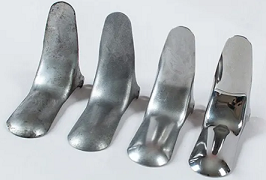
Polishing is a process aimed at achieving a smooth and aesthetically pleasing surface finish by using abrasion. Starting with coarse abrasives and progressing to finer ones, polishing can enhance material durability by reducing the risk of cracking or chipping. However, polishing is time-consuming and can be costly, especially for complex geometries. Special skills and equipment are often required to achieve perfect polishing results, particularly for unconventional shapes.
Painting as a CNC Surface Finish:
Metal paints serve as an effective CNC surface finish, providing comprehensive protection against corrosion by covering the entire surface. Typically using lacquer and polyurethane, these paints create a protective barrier that shields the surface from exposure to water and contaminants, ensuring long-lasting protection. However, in the face of harsh chemicals and abrasions, the paint may fail as it peels away, exposing the underlying surface.
Painting offers versatility in terms of color and finish options, making it an attractive choice for various CNC machining applications. The process is generally straightforward, though it may pose environmental concerns in certain cases. Additionally, proper adhesion may require significant drying time.
Factors to Consider When Selecting a CNC Machining Surface Finish:
Selecting the right surface finish for a CNC machined part is crucial to meet both functional and aesthetic requirements. Key considerations include functionality, material compatibility, aesthetics, cost, lead time, environmental impact, and part geometry.
Functionality:
- Choose a surface finish based on functional requirements.
- Parts requiring high wear or corrosion resistance may benefit from finishes like anodizing or electroplating.
- Aesthetic-focused parts may require finishes with various color and texture options.
Material:
- Consider the compatibility of surface finishes with specific CNC materials.
- For instance, anodizing is commonly used for aluminum parts, while electroplating is suitable for conductive metal parts.
Aesthetics:
- Select a surface finish based on the desired appearance of the part.
- Different finishes offer a range of visual effects, such as high gloss or matte finishes.
Cost:
- Balance cost considerations with functional and aesthetic requirements.
- Some finishes may be more expensive, so weigh the costs against the desired outcome.
Lead Time:
- Different finishing methods have varying completion times.
- Consider the project timeline; if speed is crucial, opt for quicker methods like polishing.
Environmental Impact:
- Assess the environmental impact of surface finish processes.
- Explore eco-friendly options whenever possible to minimize environmental harm.
Part Geometry:
- The geometry of the part can influence the choice of surface finish.
- Parts with tight tolerances may require different finishes compared to those with more forgiving designs.
Choosing the Right Surface Finish with YS:
The appearance and aesthetics of CNC-machined products are integral. YS offers a range of finishing options, and their expert team can provide recommendations based on your application and requirements. With a simple online process, you can easily get a quote and entrust your finishing needs to experienced professionals at YS. Visit their website, enter your project details, and await a comprehensive quote.
Certainly! YS excels not only in CNC machining surface finishes but across various manufacturing areas. Their experienced team has assisted numerous global businesses with manufacturing expertise, and their commitment is to consistently deliver the best quality parts with an exceptional overall appearance. With RapidDirect, you can trust in receiving top-notch products, and this commitment is one they strive to uphold continuously.