
Consider anything you rely on for your daily functions, from your car and work computer to the appliances in your kitchen. In the realm of manufacturing, CNC machining plays a crucial role, with recent advancements enhancing its potential significantly.
CNC machining, short for Computer Numeric Control machining, has evolved over time to become more efficient, versatile, and flexible. It has become a permanent fixture in manufacturing environments, enabling the creation of precise pieces, processing various materials, and maintaining consistency in design.
But what exactly is CNC machining? This comprehensive guide delves into the fundamentals, exploring best practices, materials, and design considerations essential for optimal performance. Whether you’re seeking information on CNC machining or have specific questions in mind, this guide has you covered.
Understanding CNC Machining Basics
This section delves into the fundamentals of CNC machining, exploring its historical context, available options, and inherent limitations.
Defining CNC Machining
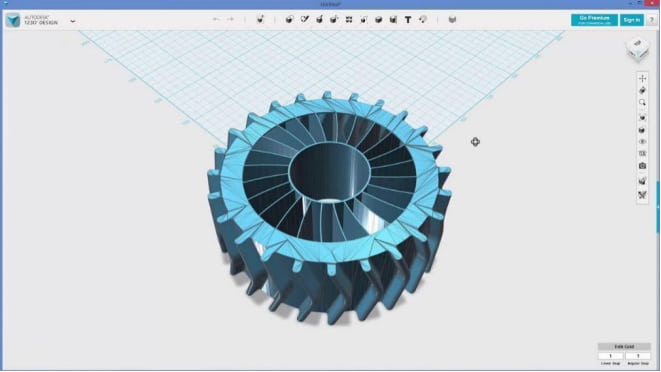
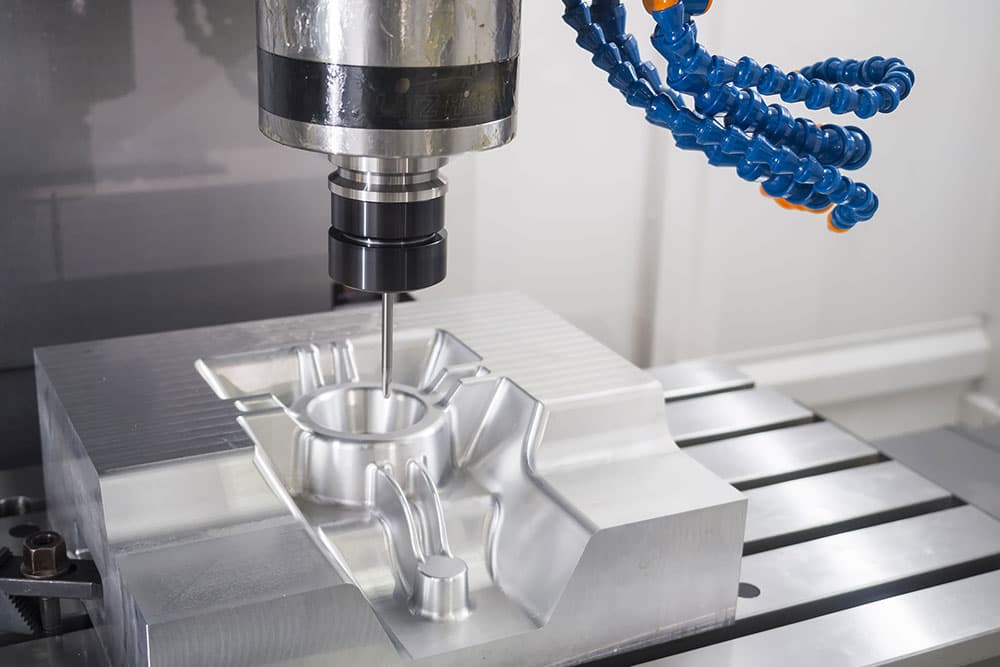
CNC (Computer Numerical Control) machining stands as a subtractive manufacturing process where a computer governs the tool’s movement to remove material from a solid block. This digital manufacturing technology produces high-precision components and shapes by autonomously interpreting patterns derived from a CAD (Computer-Aided Design) blueprint.
Evolution of CNC Machining Throughout History
In the midst of World War II, the United States found itself in a rapid production phase, churning out boats, airplanes, and vehicles for military needs. This surge in manufacturing created a substantial demand for skilled machinists and precision machining processes. Even after the war’s conclusion, the Cold War era, coupled with a societal focus on swift industrialization and a rising demand for enhanced household appliances, intensified the need for safe, efficient, and cost-effective precision tooling.
Traditional machining methods struggled to consistently meet these demands.
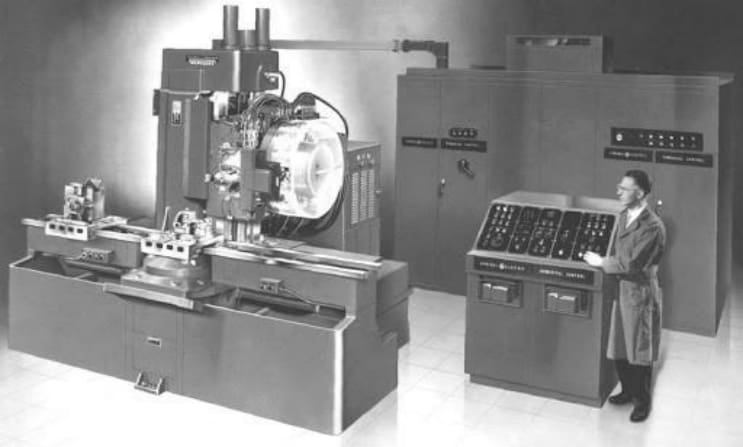
Enter CNC machining, a game-changer in this scenario. Conceived by John T. Parsons, the idea was later refined by MIT scientists, resulting in the creation of a machine that autonomously moved along Cartesian coordinates—a mathematical map encompassing the x, y, and z-axes—to facilitate precise machining.
This marked the inception of CNC machining, a technology that underwent four distinct eras of evolution to reach its present-day form.
Evolution of CNC Machining Over Time
1952 – 1958: The Inception
- In the post-war era, a rising demand for efficient and cost-effective precision machining arose.
- John Parson’s pioneering work introduced the concept of automating machining processes to improve consistency and reduce lead times.
- The first CNC milling machine, Cincinnati Milacron Hydrotel, utilized a combination of motors to position the milling tool.
- The first patent for CNC machining was filed in 1958.
1967 – 1972: Acknowledgment
- CNC machining gained global recognition as a transformative force in the manufacturing sector.
- Ongoing improvements and integration facilitated faster processing and consistent results.
- Despite the emergence of CAD and CAM programs, full integration into CNC machining setups was yet to be achieved.
1976 -1989: Introduction of CAD, CAM, and Integrated Technology
- CAD/CAM software solutions dominated the industry due to their superior characteristics.
- Seamless integration of design, development, and prototyping became a hallmark of CAD and CAM software-controlled machines, establishing them as the industrial standard for CNC solutions.
Present Era: SME, Smart Factories, Industry 4.0, and Beyond
- Advancements in manufacturing, marked by faster, more precise, and automated solutions.
- New automated systems, requiring minimal human intervention, enable 24/7 production with unmatched consistency.
- Integrated systems connect all aspects from initial design to final production, embodying the principles of Industry 4.0.
Types of CNC Machines
3 Axis CNC Machines
- Utilizes the Cartesian coordinate system, with the cutting tool moving while the workpiece remains stationary.
- Common in milling and turning operations for material surfaces.
CNC Milling
- Involves a stationary workpiece with a revolving cutting tool, ideal for shaping material surfaces.
CNC Turning
- Used for creating cylindrical or oblong shapes by rotating the workpiece around a fixed cutting tool.
4 Axis CNC Machines
- Retains the Cartesian coordinate system but allows the workpiece to rotate along the x-axis.
- Offers increased productivity and the ability to process more complex geometries.
5 Axis CNC Machines
- Advanced machines allowing rotation of the workpiece along the y-axis, eliminating the need for setup.
- Ideal for handling intricate and complex shapes with enhanced operational efficiency.
Milling-Turning Machine
- An advanced option capable of both CNC turning and milling operations.
- Expensive and challenging to manage, but offers increased possibilities and capabilities.
Advantages of CNC Machining
- Cost-Effective: No need for complex molds; becomes more cost-effective with increased production.
- Suitability for Prototypes: Ideal for one-off prototypes due to minimal prerequisites.
- Quick Turnaround Time: Efficient process with minimal human input, ensuring swift results.
- Ability to Handle Complex Geometries: Multi-axis capabilities enable machining of intricate contours and optimized designs.
CNC machining stands out as a superior choice for low to medium volume production, offering numerous benefits compared to traditional and modern manufacturing processes.
Optimizing CNC Machining Designs: A Comprehensive Guide
Advantages of CNC Machining
Ideal Material Properties
CNC machining allows the creation of parts with the best mechanical properties specific materials offer. This ensures optimal performance, avoiding potential flaws and internal cracks found in other manufacturing methods.
Parts with Unmatched Precision and Accuracy
CNC precision machining delivers superior accuracy and minimum tolerances by eliminating human error. While dependent on program accuracy and machine precision, CNC machines generally offer a maximum tolerance of 0.01 mm, ensuring high precision for most applications.
Major Limitations of CNC Machining Process
High Initial Capital
CNC machining demands significant process planning and programming in the initial stages, contributing to higher costs for creating one-off parts or prototypes. However, economies of scale come into play as production volume increases, reducing overall production costs.
Variable Costs
The overall production costs in CNC machining vary based on factors such as machining time, pre-planning, and other variables associated with the geometry of the part.
Custom Jigs and Fixtures
While capable CNC centers can handle various designs, custom jigs and fixtures may be required for certain designs, adding to the already high initial cost of CNC processes.
Internal Designs
CNC machines excel at surface operations, but internal designs pose challenges due to limited tool freedom. Specialized tools and techniques can address these limitations, but costs and complexities increase.
Designing for Success: Optimizing Guide for CNC Machining
Design Restrictions in CNC Machining
The primary restriction in any CNC project is the associated costs. To mitigate these costs and ensure successful designs, it’s crucial to consider the following design restrictions:
1.Tool Capabilities
- CNC machines are versatile, but tool limitations, such as size and shape, impact the shapes achievable during operations.
2.Tool Shape
- While cylindrical CNC tools offer versatility, challenges arise in creating steep internal right angles, requiring modification and increased costs.
3.Tool Stiffness
- CNC tools, despite being rigid, can experience deflection, affecting precision in extremely precise jobs with tight tolerances.
4.Workpiece Shape
- Complex geometries may necessitate reorientation, requiring custom jigs and fixtures, impacting design viability and cost per part.
5.Workpiece Stiffness
- Stiff workpieces can introduce vibration and deflection, affecting accuracy. Maximum tolerances may vary depending on workpiece stiffness.
Undercuts in CNC Machining
- Undercuts, internal features unreachable by standard tools, are complex designs that can significantly increase costs.
- Solutions include creating two parts separately and joining them or using specialized cutters, considering their availability and limitations.
Design Optimization Tips for CNC Machining
- Opt for Simpler Designs
- Complexity increases costs, making simplicity essential in CNC designs.
Keep Reasonable Tolerances
- Stick to industry-standard tolerances to avoid increased costs and longer lead times.
Be Careful About Height
- Taller workpieces are susceptible to vibrations, impacting accuracy. Ensure features are not more than 4x taller than the width.
Proceed with Caution with Thin-Walled Parts
- Thin parts are prone to deflection; avoid going thinner than half the depth of the feature.
Refrain from Drilling Deep
- Excessively deep holes are challenging due to chip evacuation issues, affecting the final cost.
Use Standards for Thread
- Adhere to industry standards for thread size, avoiding smaller threads for cost-effectiveness.
Avoid Sharp Corners
- Sharp corners and undercuts increase costs; consider machinability during design.
Ensure Internal Radius Is More Than 1mm
- Internal radii less than 1mm may impact tool movement; select a radius based on feature depth.
Carefully Consider Cavities and Pockets
- Keep cavity or pocket depth within recommended limits to avoid increased costs and machining difficulties.
Avoid Small Features Unless Necessary
- Maintain a minimum cavity size of 2.5mm to balance feasibility and cost-effectiveness.
By adhering to these design optimization tips, designers can ensure cost-effective and successful CNC machining projects.
Common Tolerances in CNC Machining
During the design phase, specifying tolerances for your workpiece is a crucial step that directly influences precision requirements and overall costs. Here’s a concise overview of different types of tolerances commonly encountered in CNC machining:
Standard Tolerances
Standard machining tolerances are the recommended settings for regular parts with normal precision requirements. Typically around 0.1mm, these tolerances are determined by international standards such as ASME, ISO, and ANSI.
Bilateral Tolerances
Bilateral tolerances allow deviation in either direction from the specified value. For example, a shaft with a diameter of 8 inches and a bilateral tolerance of 0.1′ means the acceptable range is from 7.9′ to 8.1′. Common in external features, maintaining suitable tolerances is crucial to avoid issues like vibration or excessive wear.
Geometric Dimensioning and Tolerancing (GD&T)
GD&T involves specifying tolerances for specific characteristics or features beyond dimensional values. This detailed approach is essential for applications demanding extreme precision, such as in the automotive and aerospace sectors.
Unilateral Tolerances
Unilateral tolerances permit deviation in one direction only. For an 8-inch diameter shaft with a unilateral tolerance of +0.1′, the permissible range is 8.0′ to 8.1′. Applied in situations where strict limits on one dimension are crucial, especially when parts need to interact.
Limit Tolerances
Similar to bilateral tolerances but expressed differently, limit tolerances indicate a range of permissible values for a specific part. For instance, an 8-inch shaft may have a limit tolerance ranging from 7.9 inches to 8.1 inches.
Common Material Options for CNC Applications
CNC machining’s versatility extends to various materials and shapes. This section explores the most common materials and surface finishes achievable through CNC operations.
Common Metals
Aluminum
Widely used in CNC machining, aluminum boasts excellent strength-to-weight ratio and thermal resistance. It is a prevalent choice for applications in the automotive and aerospace sectors due to its machinability and overall properties.
This diversity in material options highlights CNC machining’s capability to handle a wide range of materials, making it a versatile and effective manufacturing process.
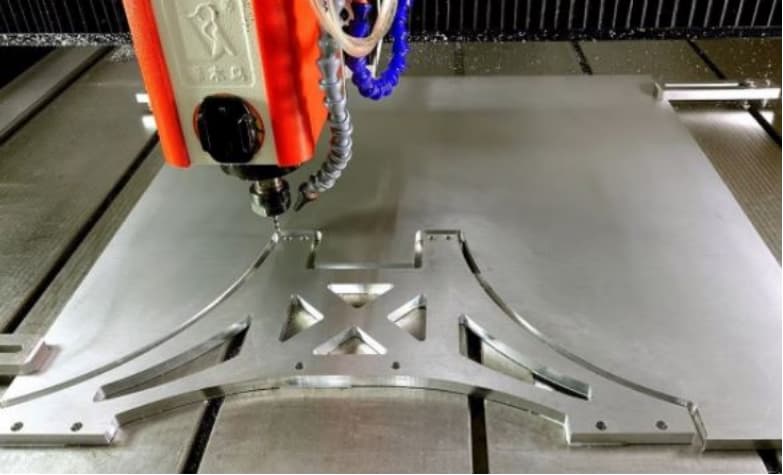
Moreover, what distinguishes aluminum is its remarkable corrosion resistance. Aluminum forms a natural oxide layer that shields the internal metal from a majority of contaminants in the atmosphere. This attribute positions aluminum as the most natural material choice for various applications, particularly in more challenging environmental conditions.
Copper
Copper is also a widely utilized material in CNC applications, valued for its overall quality and specific applications. With one of the highest thermal conductivities among common materials, copper finds numerous applications in the electronics sector.
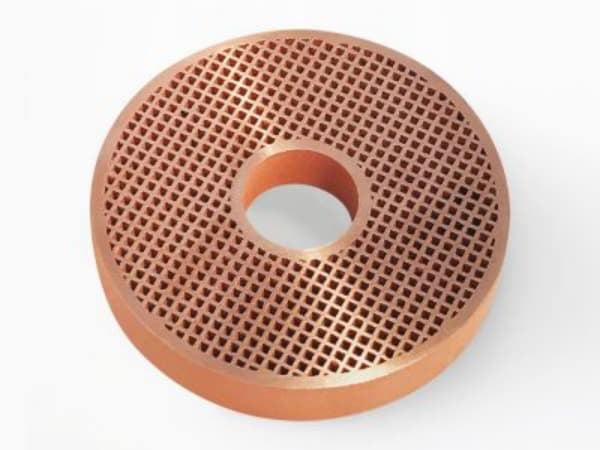
Moreover, copper items can also be found in other sectors such as consumer goods, where its shiny exterior, relative inertness, and high conductivity prove beneficial.
Brass
Brass, an alloy of copper, boasts exceptional machinability due to its unique mechanical properties. With its copper content, brass presents a lustrous golden exterior, making it highly appealing for applications in various sectors where both functionality and material appearance matter.
Stainless Steel
Stainless steel, another ubiquitous metal, finds applications in a diverse range of industries, including cutlery, automotive, marine, and aerospace. Renowned for its high strength and excellent machinability, stainless steel is a versatile choice for various purposes.
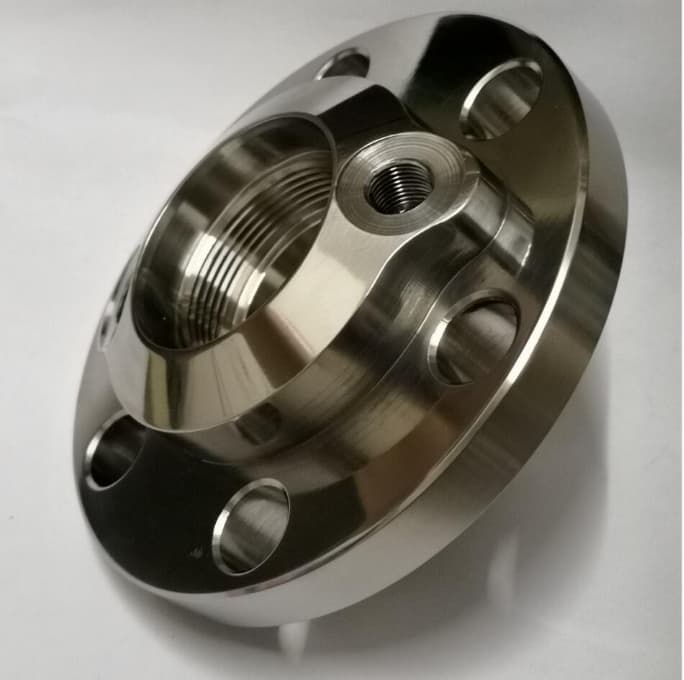
This capability enables the creation of intricate shapes and geometries with relative ease. Additionally, the carbon content and other elements in steel contribute to its high corrosion resistance, significantly enhancing the material’s durability and performance.
Titanium
In contrast to the aforementioned materials, titanium is not as commonly used. However, this is not due to limited applications or any inherent drawbacks; rather, it is primarily attributed to its cost. Historically sought after in the aerospace sector and other high-intensity applications, titanium offers an exceptionally high strength-to-weight ratio and excellent corrosion resistance. Nevertheless, consideration of both the material and its processing cost is essential.
Plastics
Plastics, often not associated with machining processes, find extensive applications in the industry. Many CNC processing centers now machine plastics for various industries, driven by their versatile uses and characteristics. While plastic machining is often associated with prototyping or injection molding, its applications extend beyond these realms.
Here are some common plastics utilized in the industry:
ABS
ABS is widely available and finds applications in various industries, from toys to critical prototypes. It is a lightweight plastic with relatively high impact absorption capabilities. However, it has a low melting point and is not suitable for prolonged UV exposure.
Nylon
Nylon, valued for its high mechanical properties, demonstrates excellent chemical resistance, making it suitable for harsh environments and chemical-related applications.
Polycarbonate
Renowned for its exceptional impact strength and thermal resistance, polycarbonate is used in specific applications, including outdoor scenarios where exposure to UV radiation is common.
POM (Delrin)
POM is a popular material choice offering high thermal stability and stiffness, making it suitable for plastic gears, fasteners, and similar applications. Its machinability allows for the creation of desired geometries without complications.
HDPE
HDPE combines strength, resistance, and machinability, making it a popular material for various applications such as chemical storage, shampoo bottles, pipes, and more.
PEEK
PEEK is an ideal choice for high-performance applications due to its excellent chemical and mechanical properties. It offers remarkable toughness, strength, and durability, making it suitable for use in harsh environments, including valves, prisons, compressors, and other high-intensity applications.
Surface Finishing in CNC Operations
Depending on the application and chosen material, you can either leave the surface as is or apply a surface finish. This not only enhances the aesthetic appearance but also provides protection against corrosive agents and other environmental elements.
Here are some common surface finishes in the industry:
Anodizing
Anodizing is an artificial process that creates a robust metal oxide layer on the surface, protecting the metal from corrosion. While aluminum naturally anodizes itself, using an electrolyte bath expedites the overall surface oxidation process.
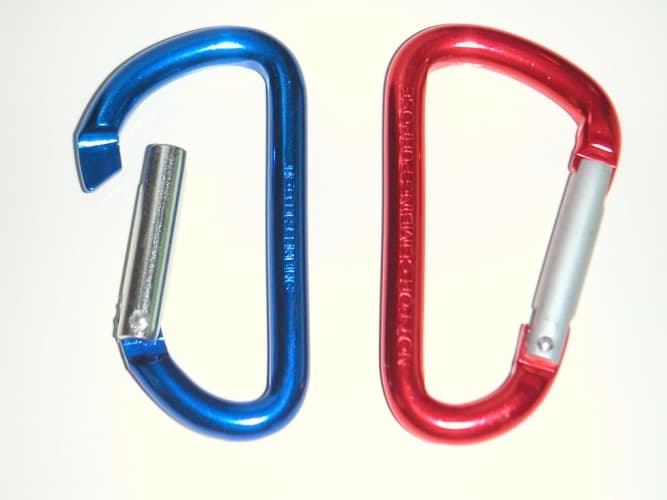
The resulting finish is highly maintainable and complements paint and other coatings well due to its porous nature. Additionally, it offers impressive durability, as the anodizing process chemically bonds with the metal surface, preventing peeling or flaking over time.
However, there are drawbacks to the anodizing process. One major limitation is the specific grades of aluminum that can be used at the anode, and the setup costs are relatively high. Maintaining consistency between different batches can also be challenging. Another notable issue is its susceptibility to scratches. Despite its overall durability, any scratches can initiate the corrosion process within the base metal, potentially leading to further damage over time.
Bead Blasting
As implied by its name, bead blasting is a straightforward process involving the projection of small glass beads or other abrasive materials onto a surface. This technique can be employed to clean machined parts or provide a textured finish, depending on the application.
The notable advantage of bead blasting lies in its simplicity. The blasting process is safe, efficient, and yields rapid results. Depending on the chosen abrasive material, it can be utilized for several cycles before replacement is necessary. For example, glass beads can deliver satisfactory results for five or more cycles, while materials like steel beads have an even longer lifespan.
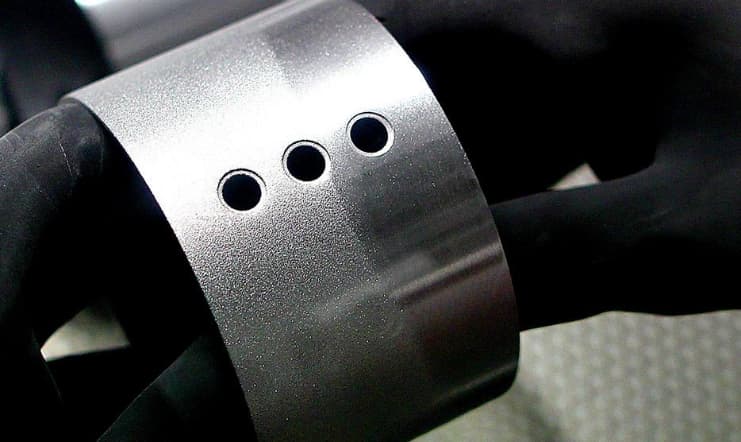
However, there are certain limitations to the bead blasting process. For instance, the speed of the process varies depending on the type of media used. Additionally, some beads, especially glass ones, may not leave a profile on the surface.
Certain surfaces require a profile for paint adherence, and this absence might pose challenges. It may be necessary to repeat the process with a different media to achieve the desired profile, potentially extending the lead time.
Powder Coating
Powder coating stands out as one of the more durable finishing options for surfaces. This method employs a combination of electricity and thermal bonding to create a resilient coating on the surface. This coating exhibits remarkable resistance to damage from environmental elements.
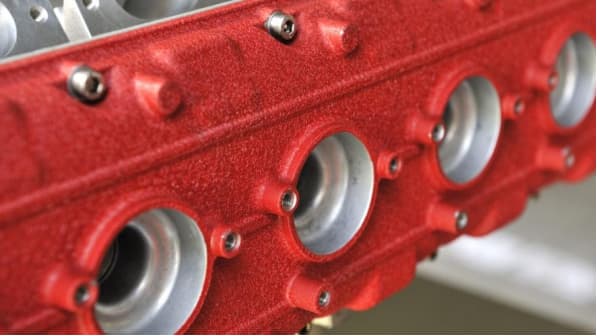
Powder coating offers numerous advantages over alternative methods. It is an environmentally friendly, safe, and highly effective process, leading to long-term cost savings. Additionally, the process generates minimal waste as the excess powder can be easily collected. The resulting finish is durable and resistant to scratches, making it well-suited for a variety of outdoor and versatile applications.
Despite its advantages, powder coating has limitations. It is not well-suited for thin coats, with the industry generally limiting its use to 6 mils or 0.1 mm. Coatings thinner than this may not be suitable for specific applications. Other factors such as startup costs, limited color options, and a rugged finish can also impact the suitability of powder coating for certain applications.
Electroplating
Electroplating relies on the electromagnetic properties of different metals to provide a uniform coating, protecting the metal from corrosion and enhancing its aesthetic appearance. Additionally, this process allows for the introduction of new characteristics such as conductivity and magnetism by coating the base metal with a material possessing the desired properties.
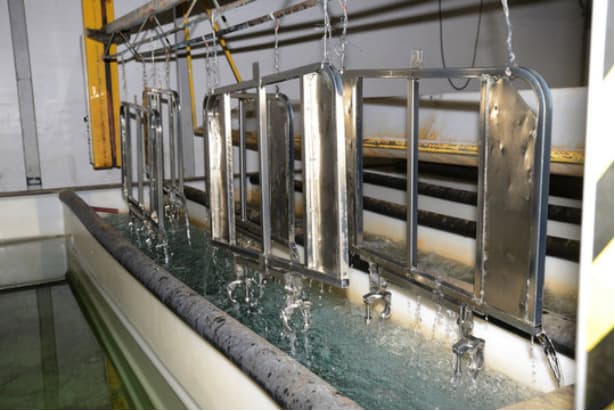
Electroplating is widely adopted across various industries due to its numerous advantages. The process provides excellent protection to the base material while yielding aesthetically pleasing results. Furthermore, electroplating is relatively simple and does not require extensive expertise, making it a versatile choice for a variety of applications.
However, the primary drawback of electroplating lies in its cost. The initial setup for electroplating is both elaborate and expensive. Additionally, the process itself is time-consuming, resulting in additional costs and extended lead times.
Brushing
Brushing serves a primarily aesthetic purpose, imparting a polished look with unidirectional lines to the surface. Typically, this process involves the use of either steel wire brushes or power brushes. These brushes can aid in tasks such as deburring to eliminate machining burrs, cleaning slag or other contaminants, or roughening the surface to enhance paint adhesion.
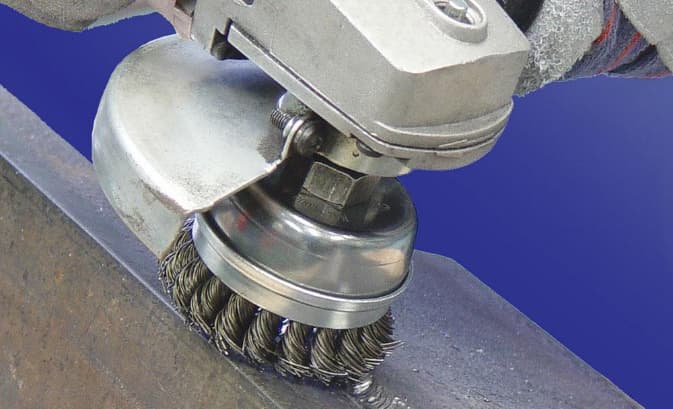
Brushing Process:
The brushing process boasts several advantages, including reducing overall stress concentration, surface cleaning, enhanced paint adhesion, and prevention of rust or corrosive contaminants propagation within the part.
However, drawbacks exist. The brushed finish can render the part susceptible to damage, and micro-deformations may complicate cleaning. For those prioritizing a smooth finish, aggressive brushing poses a risk of leaving permanent marks on the surface. Careful handling is imperative.
Polishing:
Polishing is a process that addresses various surface imperfections, providing an attractive appearance. If aesthetic considerations are paramount, polishing is undoubtedly the optimal solution. It not only enhances the visual appeal but also shields the metal from corrosion, making the part look as good as or even better than before.
While polishing offers a superior outlook, it has its drawbacks. Mechanical polishing may impact the overall purity of the part by introducing and embedding abrasive contaminants. Additionally, the process lacks automation and economies of scale, resulting in a labor-intensive approach that demands substantial time and resources, potentially elevating the cost-per-part.
Applications of CNC Machining:
CNC machining stands as a cornerstone of precision and versatility, catering to a broad spectrum of users, from DIY enthusiasts to multimillion-dollar multinational corporations. Virtually anything encountered in daily life likely underwent development involving CNC operations. The following outlines some prevalent applications of CNC machining.
Automotive:
CNC machining constitutes the backbone of the automotive industry, particularly in crafting essential components for top-tier vehicles. From engine parts to critical suspension components, CNC machining facilitates unparalleled precision, accuracy, and remarkable results in minimal time.
In the automotive sector, CNC machining finds significant application in Research and Development (R&D). The industry, marked by numerous competitors and a growing acceptance of new technologies, demands methods that offer both precision and cost-effectiveness. CNC machining emerges as a solution, meeting these requirements while preserving the overall physical and mechanical properties crucial for demanding applications such as engine and suspension parts.
Aerospace and Space Exploration:
CNC machining originated in the aerospace industry and quickly became widely adopted. The aerospace sector demands excellence in every aspect, necessitating top-notch materials, flawless precision, unmatched accuracy, and a commitment to uncompromising performance. CNC machining stands out as one of the few technologies meeting these rigorous requirements without soaring costs.
Consider airplanes as an example. Precision machining using impact-absorbing materials with exceptional mechanical properties and a high strength-to-weight ratio is imperative. While materials like Titanium can meet these demands, their processing is challenging. CNC machines, however, adeptly handle such materials, delivering results in line with industry standards.
Product Design and Development:
CNC machining proves invaluable in swiftly fabricating custom metal parts with exceptional precision, making it an ideal choice for creating prototypes during the later stages of the Research and Development (R&D) process. This capability is crucial when emphasizing the durability and viable performance of a product alongside its functionality.
Electronic Components:
Virtually all consumer electronic devices today are crafted using CNC machining. Custom housings for electronic components, as well as the Printed Circuit Boards (PCBs) within devices like cell phones and tablets, rely on CNC machines. The development of PCB circuits is a notable example where CNC processing is indispensable, eliminating the need for harmful chemicals associated with alternative processes.
Industrial Manufacturing:
CNC machines serve as primary building blocks for various industrial manufacturing processes, playing a pivotal role in tooling, mold creation, and numerous other procedures. Injection molding, for instance, illustrates this well. The process begins with the creation of molds using materials like aluminum or steel. Precision and accuracy during this initial stage are critical, as errors can propagate to later stages in the manufacturing process.
Sports:
The sports industry demands top-notch quality to ensure optimal performance for athletes. With billions of dollars invested annually in various sports, ranging from motorsports to televised games, the stakes are exceedingly high. CNC machining plays a crucial role in meeting the dynamic demands of the modern sports industry. As athletes strive for improvement, the backend efforts focus on developing new, lightweight equipment that outperforms previous gear. The prototyping capabilities of CNC machining make it a key process in addressing these evolving needs.
Pinching the Pennies: How to Reduce CNC Machining Costs:
Examining the limitations of CNC machining technology reveals a consistent challenge—cost. While CNC machining offers exceptional versatility and flexibility, the associated expenses can be a significant factor. To understand how to mitigate these costs, it’s essential to identify the primary determinants. The cost of CNC machining operations is directly influenced by material, machining time, labor, and potential post-processing requirements.
4 Factors That Determine the Cost of CNC Machining Operations:
- Material:
Estimating costs revolves around a critical variable—material. CNC machining, being subtractive, typically consumes more material than the final deliverable requires. Purchasing materials in large quantities allows machinists to calculate costs per block. Metals and plastics are the predominant materials in CNC machining. Wastage, a byproduct of machining processes, adds to costs, particularly when dealing with more expensive materials. - Machining Cost:
The type of machine used and the time spent on each part directly impact machining costs. Choosing between a 3-axis or multi-axis machine depends on the complexity of the design. Longer processing times translate to higher costs, considering the resources used and operational expenses. Additionally, the upfront cost of the machines, apart from operational costs, contributes to the overall machining expenses. - Labor:
Despite the perception that CNC machining eliminates the human factor during the process, labor is still essential. Skilled labor is required for programming, machine setup, and addressing post-processing needs. The expertise demanded by CNC processing makes skilled labor more expensive, affecting the overall cost per part. - Post-processing:
The final cost depends on factors such as application requirements and surface finish. Whether a part is market-ready immediately after machining or requires additional processing influences costs. Interestingly, parts can sometimes be more cost-effective after post-processing if an economical base material was chosen initially. The overall cost is the result of the combined effects of these four factors, necessitating consideration of all elements together.
Reducing CNC Costs: Practical Strategies
Now that you understand the factors that drive costs, striking a balance between cost efficiency and quality becomes crucial. Here are actionable tips to guide you:
- Reconsider the Material:
The choice of material significantly influences the overall cost-per-part. Consider both the material’s price and machinability. Some materials may be highly machinable but come with a hefty price tag, and vice versa. During material selection, carefully weigh factors like quality, machinability, and overall cost to ensure the best value for your project. - Simplify Your Design:
Complexity in design is a major contributor to exceeding budget limits. Optimize your design process from the outset by avoiding overly complex features, intricate geometries, and unnecessary details. Opt for standard tolerances where feasible and minimize undercuts or steep changes in your design. This approach, coupled with mindful machinability considerations, can save you from potential challenges in later stages. - Rely on Standards for Complex Features:
While avoiding complexities is ideal, certain applications require intricate features for essential functions. In such cases, adhere to prevailing industry standards. Features like holes, threads, and internal radii have established standards set by international bodies such as ASME. Following these standards during the design phase enables you to leverage existing tools and techniques without incurring additional costs. - Reach Economies of Scale:
Leverage the inherent advantage of CNC machining by reaching economies of scale. As you produce more parts, your cost-per-part decreases until you hit the break-even point. This fundamental economic principle allows you to recoup initial costs related to design preparation, machinability testing, and the creation of custom jigs or fixtures. Over time, costs reduce to material expenses and associated machining costs. Many CNC machining services offer bulk discounts to reflect this principle. - Outsource Your Production:
Consider outsourcing your production to expert CNC machining services. These services often assist with various process steps and offer competitive pricing. Since CNC machining services deal with a diverse clientele, they can minimize operational costs. Additionally, outsourcing allows access to cost-effective resources, depending on the service’s location. For instance, labor and material costs in Europe or America may be higher compared to outsourcing to China. This strategic move can enhance cost efficiency without compromising quality.
CNC Machining in China
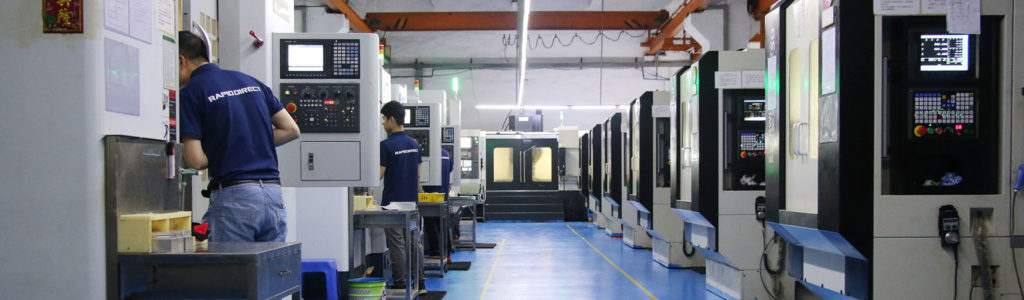
China’s Ascendancy in CNC Machining: A Global Manufacturing Hub
China, as a paramount force in global manufacturing, has emerged as a pivotal player in the realm of CNC machining. Presently, a multitude of CNC machining and rapid prototyping establishments in China cater not only to local markets but also to the expansive global industry.
Several compelling factors drive businesses to consider outsourcing to external CNC machining shops in China. Firstly, Chinese rapid CNC machining manufacturers offer cutting-edge technology at a competitive price point. This is attributed to lower material and labor costs and slender profit margins, distinguishing it from the comparatively higher costs prevalent in the Western world.
The historical concerns regarding outsourcing to China have dissipated significantly. Enhanced internet communication capabilities empower businesses to monitor their machined parts with the same ease as if they were in close proximity. The synergy of rapid machining services and expeditious delivery options ensures swift turnarounds, overcoming geographical distances.
China has taken substantial strides in fortifying its intellectual property laws, instilling confidence in customers entrusting their designs to Chinese machine shops for production.
Furthermore, China’s dominance in CNC machining and rapid prototyping is underpinned by the exceptional quality of its production services. Despite the lower labor costs in the country, the proficiency levels in the manufacturing sector, particularly in CNC machine operation, remain notably high. In essence, the reduced production costs do not compromise the quality of the manufactured parts.
In light of these factors, collaborating with a CNC machining service in China, whether for rapid prototyping or custom production, is not only prudent but also aligns with the evolving landscape of global manufacturing.
Initiate Your CNC Machining Project with YS
YS stands as a leading CNC machining company in China, priding itself on delivering highly professional CNC machining services adhering to the international standard ISO9001:2015.
Additionally, we offer a cutting-edge digital manufacturing platform enabling you to upload design files for instant quotations on your CNC machined parts. Our platform seamlessly integrates automation and subject expertise to provide a comprehensive Design for Manufacturability (DFM) experience. From identifying potential manufacturing issues to streamlining your design process for optimal results, we assure our customers of the utmost excellence in the shortest time.
Embarking on your CNC machining project with YS is remarkably simple, with the entire process being 100% online and involving just three straightforward steps:
Step 1: Upload CNC-Compatible CAD File
Utilize the YS platform to effortlessly upload your CAD design, already converted into CNC-compatible file formats such as STEP, STP, and STL.
Step 2: Specify Your Requirements
Tailor your project’s scope by configuring requirements according to your needs using our online platform. Simply specify your preferred material, desired surface finish, quantity, and other crucial details.
YS conducts a DFM analysis and provides you with an estimated price based on your chosen lead time and shipping method. We offer multiple shipping options, collaborating with international partners like UPS and DHL. All you need to do is outline your requirements, and we take care of the rest.
Step 3: Place Your Order
With your design finalized and your requirements clear, proceed to the next phase by placing your order. Continue receiving real-time updates automatically from YS. The most notable aspect of the entire process is not just its convenience but also the fact that you maintain control over every aspect, managing your order with just a few clicks.
Let’s Start A New Project Today