
Sheet metal fabrication stands as a versatile manufacturing method, widely employed in diverse industries for crafting an array of products, from toys to expansive airplane components. Gaining a foundational understanding of this technology, its operational mechanisms, and its applications proves pivotal in determining its suitability for your specific project. Below is a comprehensive breakdown of sheet metal fabrication, shedding light on its workings and its widespread utilization across various sectors.
Introduction to Sheet Metal Fabrication Sheet metal fabrication emerges as a pivotal process in diverse manufacturing endeavors, facilitating the transformation of flat metal sheets into desired components and products through precision techniques such as cutting, folding, bending, and meticulous assembly.
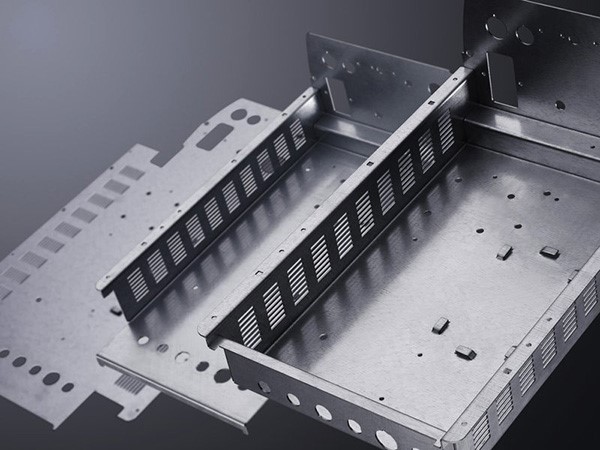
A diverse array of metal materials proves suitable for the myriad sheet metal fabrication processes, encompassing steel, aluminum, stainless steel, brass, copper, and zinc. The thickness of sheet metal typically ranges from gauges of approximately 0.006 to 0.25 inches. Opting for thicker gauges is advantageous for robust, heavy-duty applications, while thinner gauges offer increased malleability, particularly beneficial for more intricate designs.
Professional metal fabricators employ an array of techniques following a meticulous design phase to precisely meet product specifications during the creation of sheet metal parts. The combination of these methods hinges on the unique requirements of the end product. The fundamental processes include cutting, forming, joining, and finishing.
Sheet Metal Fabrication Processes

A diverse array of techniques exists for shaping and manipulating sheet metal, each with its own set of advantages and suitability for specific applications. A comprehensive understanding of these processes is imperative for efficient design choices and aids in determining the most effective technique for individual projects. The following section provides an overview of various types of sheet metal fabrication techniques.
Sheet Metal Cutting Methods
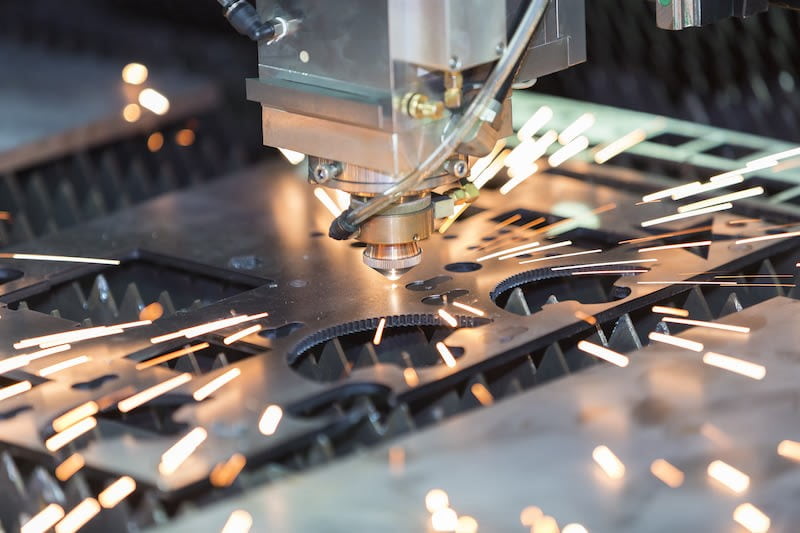
Cutting techniques involve the separation of sheet metal material by applying high force to induce the failure of cutting edges. These techniques can be categorized into two groups: cutting without shear, including laser cutting, plasma cutting, waterjet cutting, and cutting with shear, encompassing shearing, blanking, punching, and sawing. Each technique will be explored in detail in the following section.
Laser Cutting
Plasma Cutting

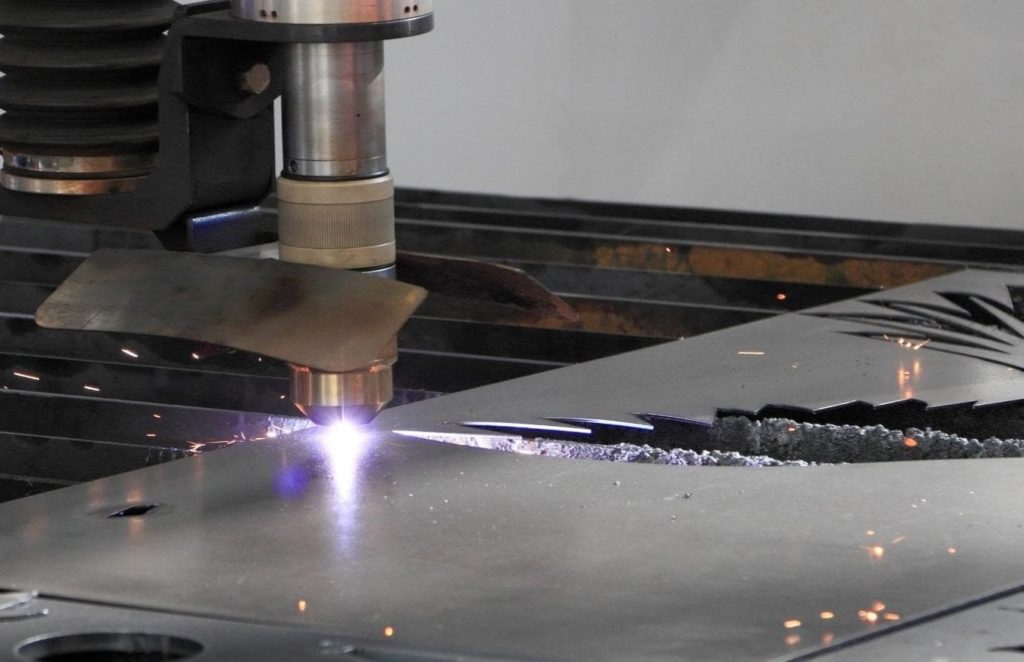
Plasma cutting, a thermal cutting process, involves the use of ionized gas (plasma) to cut through metal. In this method, a significant amount of heat is applied to the metal, causing it to gradually melt away. The end result is a rough cut with noticeable burrs and an oxidized zone surrounding the cut area.
It’s crucial to recognize that the effectiveness of the plasma cutting tool is limited to electrically conductive metals. This technique proves highly effective for cutting medium-thickness aluminum, stainless steel, copper, brass, and other conductive materials. Plasma cutting is particularly suitable for thicker sheets of metal, with capabilities extending up to 50mm, especially when surface finish requirements are not stringent.
Plasma cutting offers advantages such as rapid cutting, high precision, and repeatability, surpassing many alternative cutting processes. The method also ensures automation, facilitating the efficient cutting of high-strength metals with reduced heat input. However, it is worth noting that plasma cutting comes with relatively high power consumption, and there may be noise development, particularly in dry cutting conditions.
Waterjet Cutting
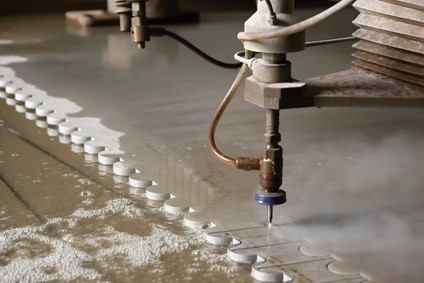
The waterjet cutting process entails the use of a high-pressure stream of water to cut through metal sheets. Typically operating at pressures around 60,000 psi, this method delivers a velocity of approximately 610m/s, enabling it to cut through nearly any type of metal sheet.
Waterjet cutting is remarkably versatile, capable of cutting both hard and soft materials by utilizing abrasives and pressurized water. Pure waterjet cutting is particularly effective for cutting soft metals like fabrics, rubber, or metal foils. On the other hand, abrasive waterjet cutting is well-suited for hard materials such as carbon steel, stainless steel, aluminum, and copper.
As an alternative to laser cutting, waterjet cutting offers notable advantages. It yields exceptionally good surface finishes without the presence of burrs or heat distortions. However, it’s important to note that the high pressures involved in waterjet cutting may induce some bending near the cut area, necessitating proper support for the component.
Shearing
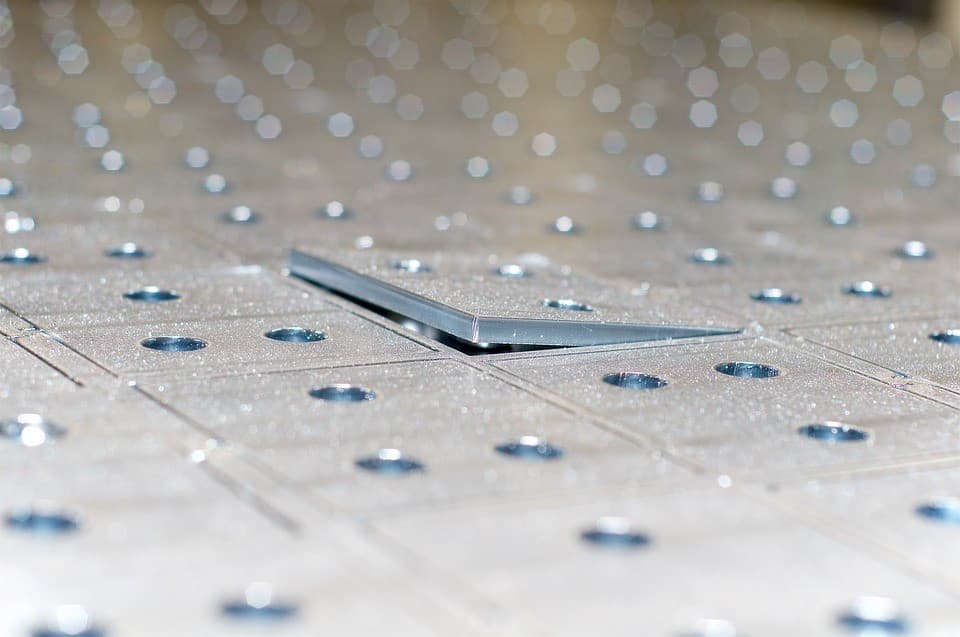
Shearing stands as a metal fabrication process that involves cutting straight lines on flat metal materials by applying a shearing force, causing the materials to separate at the cutting point. This method is particularly well-suited for high-volume applications and is effective in cutting soft materials like aluminum, mild steel, and brass that do not require precise finishes.
When the objective is to obtain straight edges on metal sheets with rough or uneven edges, shearing emerges as one of the top choices. It proves cost-effective for high-output operations, especially when the goal is to produce thousands of parts within a short timeframe. However, it’s important to note that the shearing action can result in burrs and material deformation, making it less suitable for applications that demand a clean end finish.
Blanking is another process wherein a piece of sheet metal is removed from a larger stock material using a blanking punch and die. During the operation, the die holds the sheet metal in place while the punch delivers a “blanking force” through the metal. The removed material becomes the desired component, leaving the remaining material on the die as the blank stock.
Sheet metal blanking proves advantageous for producing economical custom components, ensuring excellent accuracy, dimensional control, and repeatability. However, it tends to be slightly slower and incurs higher tooling costs compared to traditional punching operations.
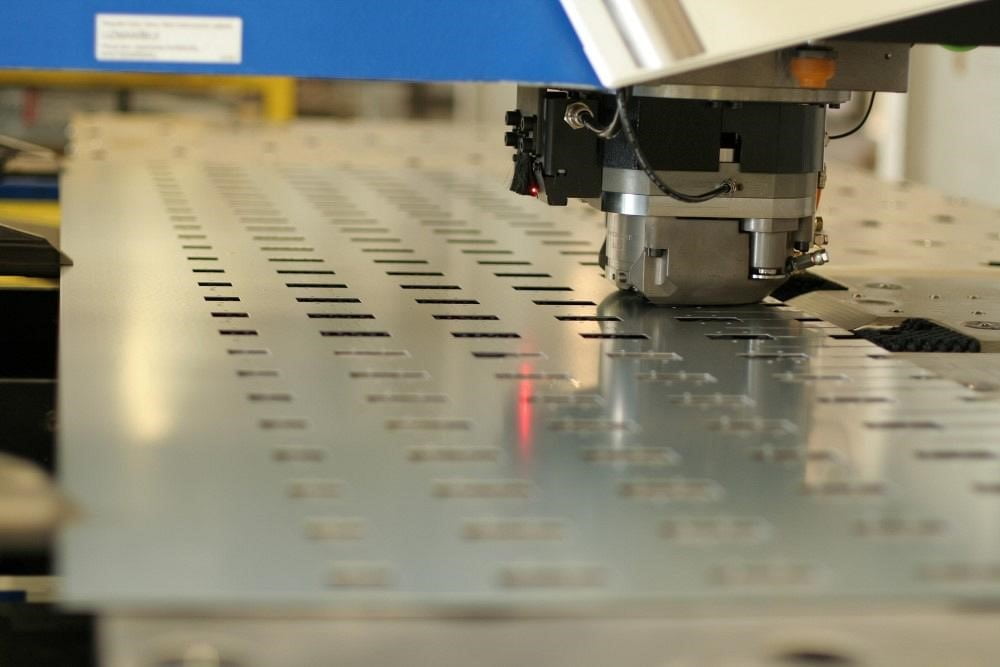
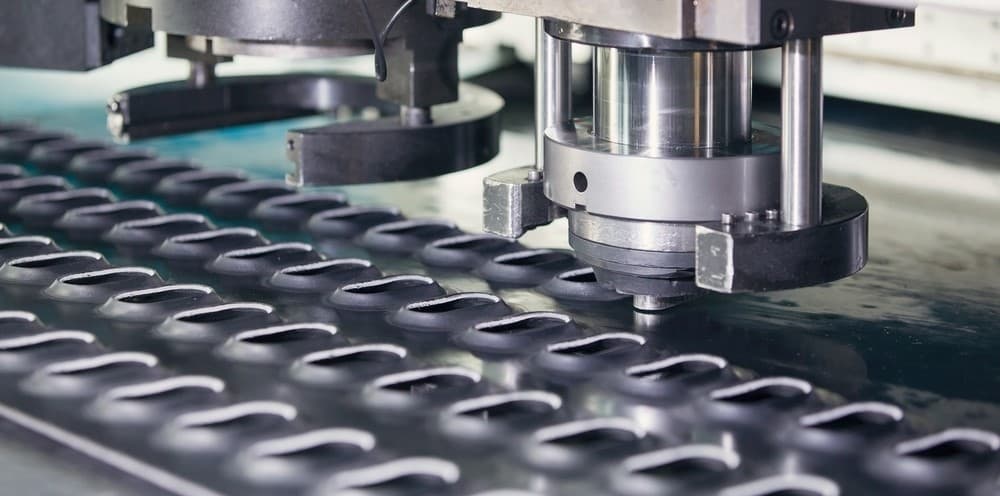
Punching, a metal fabrication process, involves creating holes in sheet metal through shear force. In this method, the material removed from the hole constitutes the scrap material, while the material left on the die becomes the final component. Punching is particularly useful for generating cutouts and holes of varying sizes and shapes.
Compared to blanking, punching is a faster process, enabling the production of clean and precise parts within a short timeframe. Additionally, there is no risk of thermal changes to the workpiece because no heat is involved in the process. However, it’s worth noting that the preparation for punching can be time-consuming, as punching knives and dies need to be precisely matched.
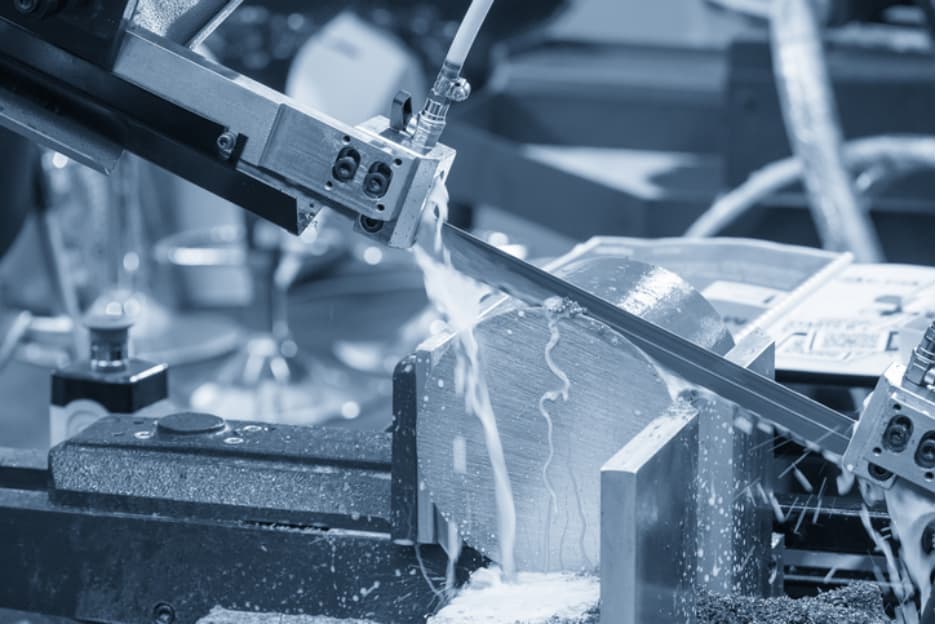
Sawing operates through the progressive cutting of metal materials with a sawtooth tool, creating a series of small cuts in the metal. Each saw tooth utilizes friction and shear force to separate a small material chip from the material body.
Metal band saws, equipped with fine and marginally bent teeth, prove ideal for cutting non-ferrous metals such as aluminum, brass, and copper. Horizontal band saws are specifically configured to cut longer bar stock to meet sizing requirements, while vertical band saws excel in completing more intricate cuts that demand precise contours in the metal part.
Band saws offer the capability to produce accurate straight cuts and incorporate advanced features like dual-bearing, blade-tracking adjustments, and blade-guided rollers. These features contribute to consistently precise cutting. Band saws generate smaller kerfs compared to many other cutting processes, significantly reducing waste and proving to be a cost-effective option for fabrication. However, maintaining the necessary contact between the surface of flat workpieces and the cutting tool can be challenging, potentially leading to material instability and cutting inconsistencies.
Sheet metal forming encompasses techniques for reshaping metal materials while they remain in their solid states. The following section will delve into key forming processes for sheet metal, each with diverse applications for creating custom-fabricated parts.
Bending:
Bending is a process that involves deforming metal with force, causing it to bend at the desired angle and form the required shape. This operation is typically carried out using press brakes and rolling machines. A press brake employs a punch and a die to bend sheet metal to the desired shape. Various types of rolling machines exist, capable of rolling sheet metal into different shapes within specific ranges.

Several sheet metal bending methods are commonly employed, including:
- V-Bending:
In V-bending, the bending punch exerts force to bend metal materials (positioned over the V-die) at desired angles. This method bends steel plates without changing their position. - Roll Bending:
Roll bending is utilized to bend metal sheets into curved shapes or rolls. It involves a press brake, a hydraulic press, and three rollers to achieve the desired bend. This method is preferred for components such as tubes, cones, and other hollow-shaped materials. - U-Bending:
U-bending is similar to V-bending, utilizing a U-die. The key difference lies in the final components, which take on a U-shaped form. - Rotary Bending:
Rotary bending is employed to bend metals into sharp corners and is a suitable choice for bending angles greater than 90 degrees. - Wipe Bending:
Wipe bending utilizes a wipe die to determine the inner radius of the sheet metal’s bend.
Generally, bending is well-suited for malleable but not brittle metals, including mild and spring steel, aluminum 5052, and copper. Conversely, materials like aluminum 6061, brass, bronze, and titanium are more challenging to bend.
Bending proves cost-effective for low to medium-volume productions, yielding parts with excellent mechanical properties. However, there is a notable risk of springback affecting the resulting bend angle.
Hemming

Hemming is a sheet metal forming technique that entails rolling over a sheet metal edge onto itself, creating an area with two layers. Typically, hemming occurs in two stages. In the first stage, the sheet metal is bent and bottomed out into a V-die. The second stage involves removing the material and placing it into a flattening die, which flattens the hem to achieve the desired shape.
This process of hemming is effective for reinforcing the edges of parts and enhancing their overall appearance. The precision inherent in the process contributes to the creation of components with superior surface qualities. However, it’s important to note that material deformation occurs during hemming, leading to dimensional variations in the final product.
Rolling
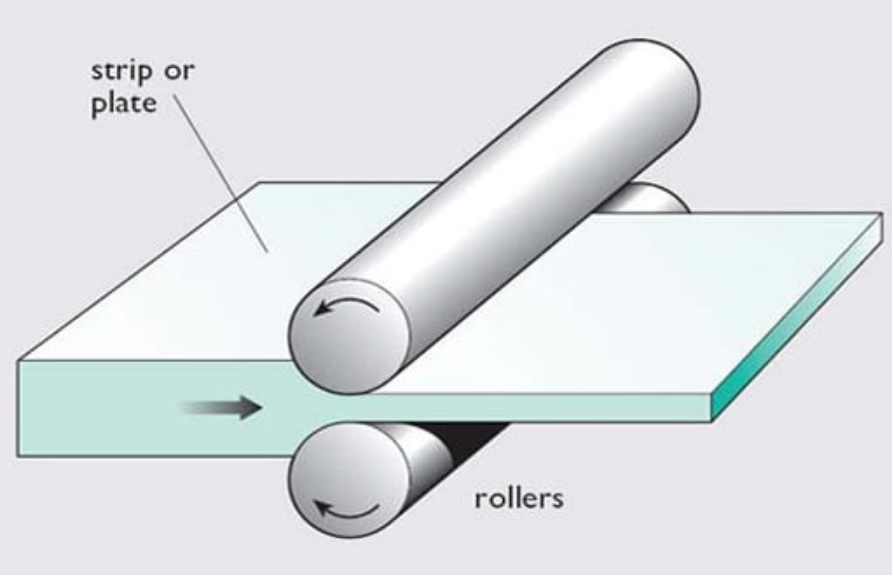
Sheet metal rolling involves the passage of a metal piece through a pair of rollers to either reduce the material’s thickness or achieve a uniform thickness. The constantly spinning rollers create compressive forces that plastically deform the workpiece. If the rollers are directly perpendicular to the sheet metal, flattening occurs.
There are two primary rolling processes – hot rolling and cold rolling. Hot rolling takes place above the material’s recrystallization temperature, while cold rolling typically occurs at room temperature. Rolled sheet metal finds common applications in pipes and tubes, stampings, discs, wheels, wheel rims, and more.
Rolling is a rapid and highly efficient process, making it well-suited for mass production. It can be tailored to produce parts with tight tolerances and intricate cross-section profiles. However, the initial investment for metal rolling is relatively high, making it more suitable for mass production scenarios.
Stamping
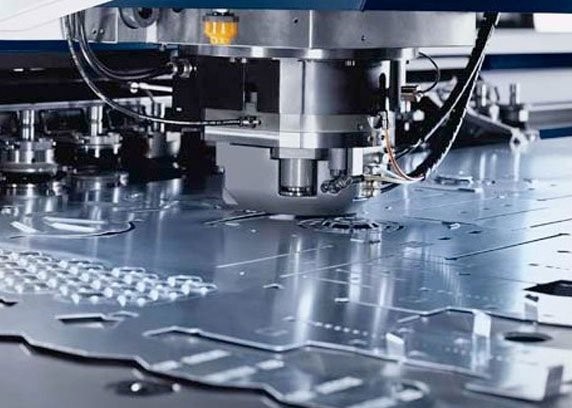
Sheet metal stamping is a cold-forming technique that utilizes stamping presses and dies to transform raw materials into various shapes. This method is compatible with a broad range of sheet metal materials, including stainless steel, low- and high-carbon steel, aluminum, brass, copper, and more.
Stamping often involves a combination of complex cutting and forming techniques to produce intricate components with shorter operations. The process encompasses bending, punching, embossing, and flanging, enabling the creation of a wide array of products.
Metal stamping is known for its cost-effectiveness. The process is rapid, requires fewer tools and reduced labor time, and is relatively inexpensive to maintain stamping dies, resulting in an overall reduction in expenses. Automation of metal stamping is also straightforward, ensuring consistent delivery of high-quality precision parts and repeatability. However, one drawback is the higher cost associated with stamping presses. Changing dies during production can be challenging if there is a need to alter the design.
Curling:
Sheet metal curling involves adding circular, hollow rolls to sheet metal edges. Typically occurring in three stages, the first two stages create the curves for the curl, while the third stage closes up the curl. Curling serves to remove sharp untreated edges, enhancing safety and providing strength to the edge. However, care must be taken during the process to avoid burrs and material deformations.
Metal Spinning:
Metal spinning entails forming metal discs into rotationally symmetrical hollows. In this process, the material is placed between the machine’s tailstock and a shaped spinning mandrel. As the material rotates, a spinning roller helps shape the sheet into the mandrel’s form. Metal spinning is well-suited for mild metal plates like stainless steel, copper, brass, and aluminum. It can produce various hollow parts without compromising quality. While highly flexible for both small batches and large-volume production, metal spinning has limitations in terms of size and shape, as it produces parts with concentric, symmetric shapes.
Sheet Metal Welding Techniques:
Welding is a process that joins two pieces of metal sheets using heat, pressure, or both. Various welding techniques are employed in sheet metal fabrication, involving a melting process and the addition of a filler material. These welding techniques include:
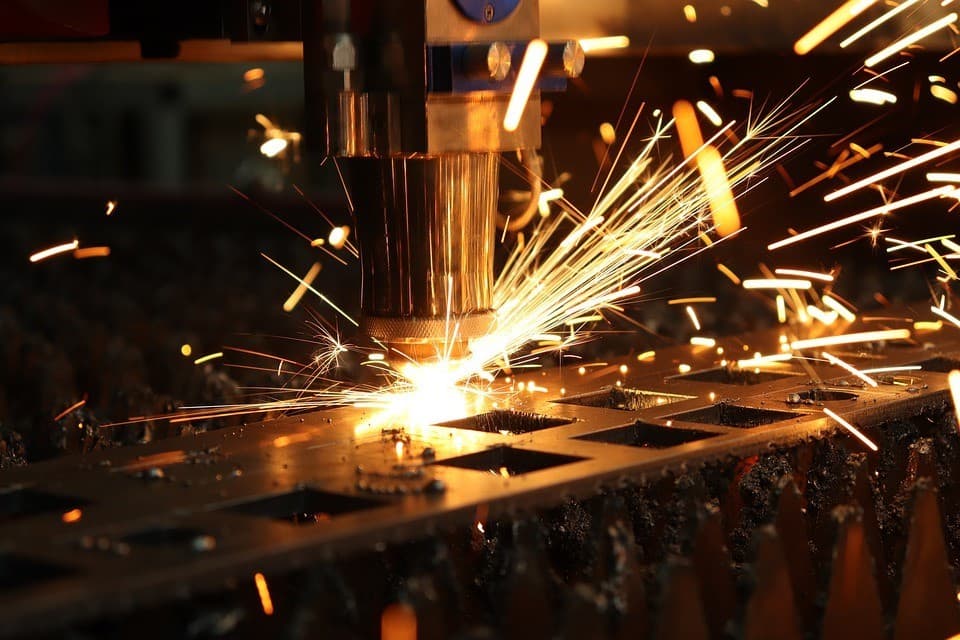
Stick Welding or Shielded Metal Arc Welding (SMAW):
Stick welding produces an electric current with an electrode stick to create an arc when it contacts the metal. The electric arc generates temperatures over 6300°F to melt metals. It is suitable for high-speed welding and can work on both AC and DC power sources. However, caution is needed when welding thin metals as the high temperatures may damage the material.
Metal Inert Gas (MIG) Welding (Gas Metal Arc Welding – GMAW):
MIG welding, also known as Gas Metal Arc Welding (GMAW), uses shielding gas and a continuous wire electrode. The melted wire electrode facilitates easy joining of metal parts while the shielding gas protects the weld pool from interacting with the atmosphere. MIG welding produces high-quality welds with excellent speed and can be fully automated to avoid weld splatter. However, it is not suitable for thick metals and outdoor welding.
Tungsten Inert Gas (TIG) Welding:
TIG welding involves creating a short arc for welding heavier metals with a tungsten electrode. An inert shielding gas protects the weld area and electrode from atmospheric contamination. TIG welding works well for non-ferrous metals such as aluminum, copper, and titanium. This process offers a high degree of weld control, resulting in very clean and strong welds. However, TIG welding requires a highly skilled professional due to its complexity.
Sheet Metal Riveting Process:
Riveting is a non-thermal, semi-permanent method of joining sheet metal pieces using rivets or mechanical fasteners. The process starts by drilling a hole in the sheet metal pieces to be joined, followed by the installation of the rivet. After installation, the rivet’s tail is deformed by smashing or pounding it, and flattening the rivet’s bottom prevents it from being removed.
Riveting can occur in two ways — hot riveting or cold riveting. Hot riveting involves applying heat of 1000-1100°C to steel rivets with diameters greater than 10mm. The hammering force per area in this process is typically 650 to 800 MPa. On the other hand, cold riveting is excellent for non-ferrous and light metals with diameters less than 10mm.
This process is more suitable for non-ferrous metal parts such as copper and aluminum. It is efficient, cost-effective, and reliable, allowing for easy quality inspections. However, rivets increase the overall weight of the component, and the riveted joints may create more noise and weaken plates due to the holes created.
Sheet Metal Fabrication Tolerance:
Sheet metal fabrication tolerances refer to acceptable deviations for features of sheet metal parts required for accurate and consistent installation and integration. For sheet metal parts, ISO 2768-mk is commonly used to ensure proper control of geometry and size elements. The following tables outline tolerance standards for linear and angular dimensions, flatness and straightness, cylindricity, and circularity.
Table 1 – Linear Dimensions
| Permissible deviations in mm for ranges in nominal lengths | f (fine) | Tolerance Class Designation (Description) | v (very coarse) | |
| m (medium) | c (coarse) | |||
| 0.5 up to 3 | ±0.05 | ±0.1 | ±0.2 | – |
| over 3 up to 6 | ±0.05 | ±0.1 | ±0.3 | ±0.5 |
| over 6 up to 30 | ±0.1 | ±0.2 | ±0.5 | ±1.0 |
| over 30 up to 120 | ±0.15 | ±0.3 | ±0.8 | ±1.5 |
| over 120 up to 400 | ±0.2 | ±0.5 | ±1.2 | ±2.5 |
| over 400 up to 1000 | ±0.3 | ±0.8 | ±2.0 | ±4.0 |
| over 1000 up to 2000 | ±0.5 | ±1.2 | ±3.0 | ±6.0 |
| over 2000 up to 4000 | – | ±2.0 | ±4.0 | ±8.0 |
Table 2 – External Radius and Chamfer Heights
| Permissible deviations in mm for ranges in nominal lengths | f (fine) | Tolerance Class Designation (Description) | v (very coarse) | |
| m (medium) | c (coarse) | |||
| 0.5 up to 3 | ±0.2 | ±0.2 | ±0.4 | ±0.4 |
| over 3 up to 6 | ±0.5 | ±0.5 | ±1.0 | ±1.0 |
| over 6 | ±1.0 | ±1.0 | ±2.0 | ±2.0 |
Table 3 – Angular Dimensions
| Permissible deviations in mm for ranges in nominal lengths | f (fine) | Tolerance Class Designation (Description) | v (very coarse) | |
| m (medium) | c (coarse) | |||
| up to 10 | ±1º | ±1º | ±1º30′ | ±3º |
| over 10 up to 50 | ±0º30′ | ±0º30′ | ±1º | ±2º |
| over 50 up to 120 | ±0º20′ | ±0º20′ | ±0º30′ | ±1º |
| over 120 up to 400 | ±0º10′ | ±0º10′ | ±0º15′ | ±0º30′ |
| over 400 | ±0º5′ | ±0º5′ | ±0º10′ | ±0º20′ |
Table 4 – Straightness and Flatness
| Ranges in nominal lengths in mm | Tolerance class | |||
| H | K | L | ||
| up to 10 | 0.02 | 0.05 | 0.1 | |
| over 10 up to 30 | 0.05 | 0.1 | 0.2 | |
| over 30 up to 100 | 0.1 | 0.2 | 0.4 | |
| over 100 up to 300 | 0.2 | 0.4 | 0.8 | |
| over 300 up to 1000 | 0.3 | 0.6 | 1.2 | |
| over 1000 up to 3000 | 0.4 | 0.8 | 1.6 | |
Table 5 – Perpendicularity
| Ranges in nominal lengths in mm | Tolerance class | |||
| H | K | L | ||
| up to 100 | 0.2 | 0.4 | 0.6 | |
| over 100 up to 300 | 0.3 | 0.6 | 1.0 | |
| over 300 up to 1000 | 0.4 | 0.8 | 1.5 | |
| over 1000 up to 3000 | 0.5 | 1.0 | 2.0 | |
Table 6 – Symmetry (Position for ISO G&T Standard not-ASME or ANSI GD&T)
| Ranges in nominal lengths in mm | Tolerance class | |||
| H | K | L | ||
| up to 100 | 0.5 | 0.6 | 0.6 | |
| over 100 up to 300 | 0.5 | 0.6 | 1.0 | |
| over 300 up to 1000 | 0.5 | 0.8 | 1.5 | |
| over 1000 up to 3000 | 0.5 | 1.0 | 2.0 | |
Table 7 – Run-Out
| Tolerance class | ||||
| H | K | L | ||
| / | 0.1 | 0.2 | 0.5 | |
Design Tips for Sheet Metal Fabrication:
The provided sheet metal design tips are intended to serve as a guide for ensuring the efficient design of sheet metal parts. These recommendations have been formulated based on established Design for Manufacturability (DfM) practices, evolving industrial needs, and analysis of metal fabricated products.
Wall Thickness
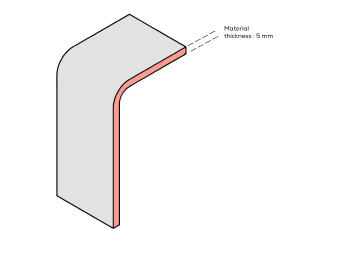
Uniform Wall Thickness:
Ensure that every component maintains consistent wall thickness throughout the design. Typically, sheets with thicknesses ranging from 0.9 to 20 mm can be effectively manufactured, especially for sheets under 3 mm. For sheet metal laser cutting, the recommended thickness range is between 0.5 to 10 mm. Similarly, for sheet metal bending, it is advisable to stick to a thickness range of 0.5 to 6 mm.
Bends:
Bends in sheet metal fabrication are characterized by critical parameters that must align with tooling specifications for effective machining. Attention to these parameters is crucial for maintaining precision in the manufacturing process.
K-Factor
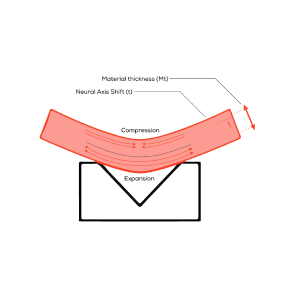
K-Factor Considerations:
Considerations for the K-factor are crucial to prevent tearing and deformation in sheet metal fabrication. The recommended range for the K-factor is typically between 0.3 and 0.5 mm, with the average used in bending operations being 0.4468 mm. Calculating the K-factor involves determining the ratio of the neutral axis (t) to the material thickness (Mt):
[ K\text{-factor} = \frac{t}{Mt} ]
The K-factor calculation helps locate the neutral axis along a bend, ensuring the accurate design of flat patterns and determining the correct bend allowance. Factors such as material thickness, bending method, and bend angle can influence the K-factor, making it challenging to calculate accurately.
Bend Radius:
The bend radius is the distance between the bend axis and the material’s internal surface. Smaller bend radii result in higher strain on the workpiece. Bends in the same plane should be designed to go in the same direction to avoid the need for part re-orientation.
For ductile materials like stainless steel, the interior bend radii of a component should be at least the same size as the metal thickness. Larger bend radii are ideal for brittle metals to prevent distortions around the bend. These considerations are essential for achieving optimal results in sheet metal fabrication.
Bend Orientation
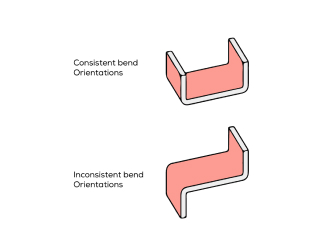
Consistent Bend Orientation:
Maintaining a consistent bend orientation is crucial to minimize the need for component re-orientations. This practice contributes to cost savings in manufacturing and reduces lead times. Ensuring that bends in the same plane follow a consistent direction streamlines the fabrication process, enhancing efficiency and overall production effectiveness.
Bend Relief
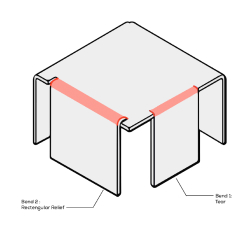
Bend Height Considerations:
Ensuring an adequate bend height is crucial for successful sheet metal fabrication. The recommended bend height should be at least two times the material thickness plus the bend radius. A sufficiently sized bend height is essential for facilitating the forming and positioning of the material in press brakes.
When the bend height is too small, it can pose challenges during the bending process, potentially resulting in low bend quality and deformation. Therefore, adhering to the recommended bend height guidelines contributes to the overall success and precision of the sheet metal fabrication process.
Hems
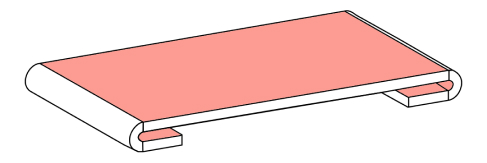
Hem Design Recommendations:
It is advisable to minimize the use of flat hems in sheet metal designs. Instead, open or tear-dropped hems are generally preferred due to their lower risk of fractures.
For open or tear-dropped hems, ensuring the inside diameters are at least equivalent to the sheet metal thickness is important. Additionally, the length of the hem should be at least four times the material thickness. Adhering to these guidelines enhances the structural integrity of the hems, contributing to a more robust and reliable sheet metal design.
Hole Size
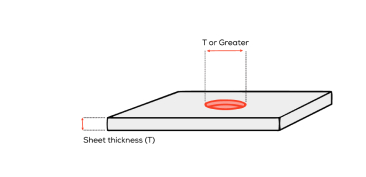
Hole Design Considerations:
In sheet metal design, it is recommended to have hole diameters at least equal to the material thickness. Ideally, hole diameters larger than the sheet metal thickness can reduce the risk of tooling damage, ultimately minimizing production costs and lead times.
For optimal results, hole spacing should be at least two times the sheet metal thickness. Maintaining this distance prevents issues such as breakage or deformation during bending or forming. Additionally, it’s advisable to place holes away from the edges, ensuring a distance of at least the thickness of the sheet. This practice helps prevent tearing and deformation, contributing to a more reliable and efficient fabrication process.
Curls and Countersinks
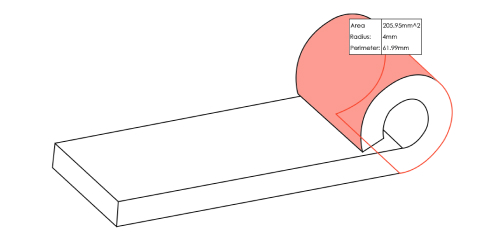
The outer radius for any curl should be at least twice the thickness of the material. Curling sheet metal involves adding a hollow roll to the sheet’s edge, creating a curled edge for enhanced strength and safe handling. Therefore, the hole size should be no less than the radius of the curl plus the thickness of the material.
Similarly, countersink depths should not exceed 0.6 mm of the material thickness. The distance between the centers of the countersink should be at least eight times the material thickness. Additionally, the distance between the center of the countersink and the bend line should be at least three times the thickness of the material.
Tabs and Notches
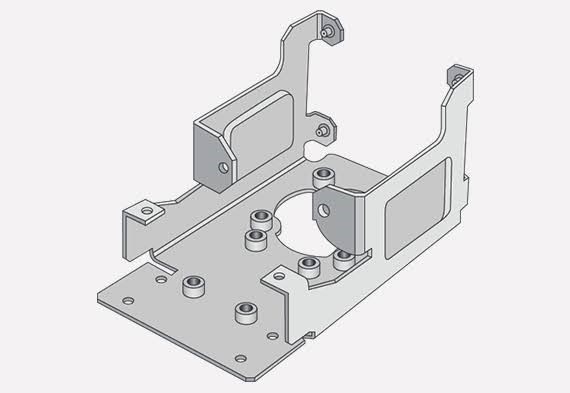
Tabs should not exceed five times their width and should be at least twice as wide as the material’s thickness.
For notches, it is recommended that they have a width equal to or greater than the material’s thickness. Additionally, it is advisable to position them at a minimum distance of 1/8 inch from each other. If tabs and notches are necessary near a bend in the design, they should be situated at a distance from the bend of at least three times the metal thickness plus the bend radius. This practice helps minimize the risks of warpage and deformation.
Sheet Metal Gauge
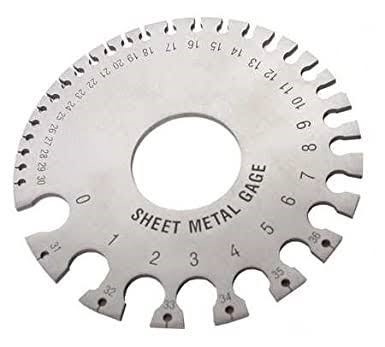
Understanding sheet metal gauge is crucial in sheet metal fabrication design. The metal material thickness should be tailored to the part’s geometry and intended applications. However, opting for sheet metals that are excessively thick may restrict the achievable bend angle on press brakes.
The formation of sharp bends can pose challenges on press brakes, potentially leading to microscopic cracks in the material. This, in turn, can result in prolonged and costly production runs. Unless specifically required, it is advisable to avoid excessively thick sheet metals. Thinner and more pliable metals are generally preferred.
When it comes to materials and surface finishes in sheet metal fabrication, there’s a wide array of options. Below is a comprehensive guide to the available sheet metal materials and surface finishes, along with their respective applications.
Materials
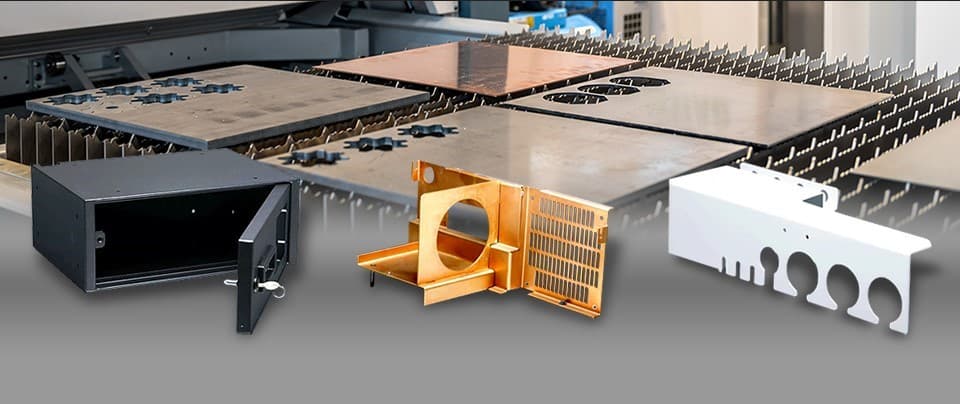
When considering materials for sheet metal projects, selecting the right option involves careful consideration of metal type and physical properties. Each material boasts unique characteristics and offers specific advantages, with the choice guided by the desired end products and applications.
Stainless Steel:
Stainless steel comprises various materials containing at least 10.5% chromium, providing enhanced corrosion resistance. Its notable properties include high durability, strength, temperature resistance, ease of fabrication, and increased formability. Certain grades are also favored for decorative and non-structural purposes. Stainless steel is well-suited for applications in cooking utensils, aerospace and automotive parts, food processing equipment, chemical and fuel containers, and construction products.
Hot Rolled Steel:
Hot rolled steel is ideal for projects where dimensional tolerances and surface finish are not critical. Its flexibility and malleability make it suitable for structural applications. Common uses include vehicle frames, agricultural equipment, piping, tubes, water heaters, rail tracks, and car components.
Cold Rolled Steel:
Cold rolled steel is approximately 20% stronger than hot rolled steel, making it suitable for processes where product quality depends on steel strength. It boasts a smooth and shiny finish, making it ideal for aesthetic purposes. Common applications include automotive parts, home appliances, metal furniture, lighting fixtures, water heaters, and construction products.
Pre-Plated Steel:
Pre-plated steel, featuring a zinc coating for corrosion prevention, offers barrier and galvanic protection, enhancing product longevity. Its increased formability and weldability simplify sheet metal manufacturing. This material is suitable for equipment bodies.
Aluminum:
Aluminum, a lightweight metal, can form alloys with metals like copper, magnesium, and manganese. Aluminum 5052 and aluminum 6061 are notable alloys for sheet metal fabrication. Its lightweight nature, excellent strength-to-weight ratio, corrosion resistance, and easy machinability make aluminum suitable for automotive and aircraft parts, food packaging, electrical and electronic products, kitchenware, enclosures, and medical equipment.
Copper/Brass:
Copper’s malleability allows easy shaping without breaking, and its corrosion resistance makes it suitable for components exposed to corrosive agents. Brass, a combination of zinc and copper, offers corrosion resistance, excellent electrical conductivity, and high-temperature resistance. Copper and brass find applications in fixtures, electronic equipment, kitchen utensils, bolts, nuts, and pipes.
Surface Finishing Options:
Adding surface finishes to sheet metal parts enhances longevity and performance. Various surface finishes are available, and understanding these options is crucial. Examples include:
- Powder coating: Provides a durable and attractive finish.
- Anodizing: Commonly used on aluminum for increased corrosion resistance.
- Electroplating: Deposits a metal coating for enhanced corrosion protection and aesthetics.
- Polishing: Creates a smooth and reflective surface.
- Galvanizing: Applies a zinc coating for corrosion prevention.
Choosing the right material and surface finish ensures optimal performance and longevity in sheet metal fabrication projects.
Bead Blasting
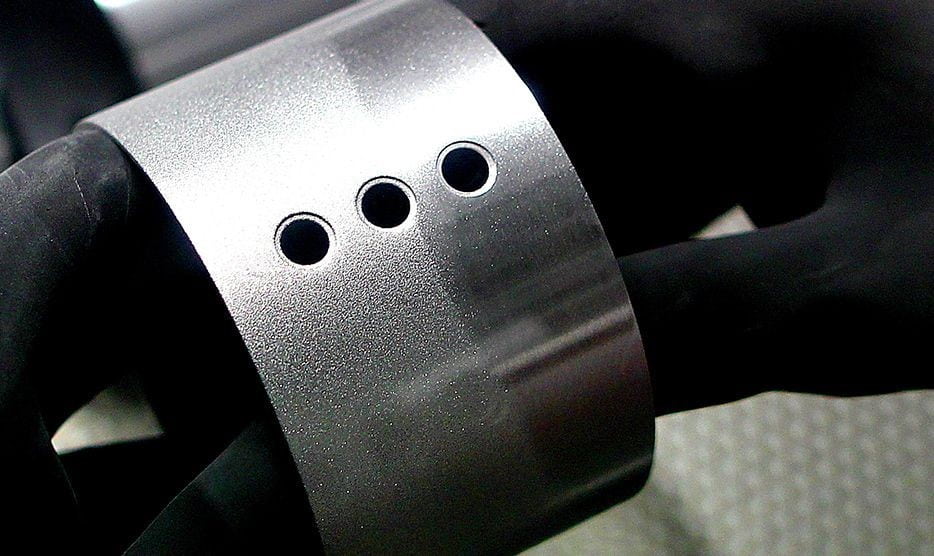
This finishing process involves the use of tiny abrasives such as sand or glass beads, which are propelled at the surface of the sheet metal component using compressed air. The impact of these beads results in a smooth finish with a matte texture.
Bead blasting provides an accurate and smooth finish to sheet metal parts without compromising their dimensions. It is effective for materials like steel, aluminum, and copper, making it well-suited for sheet metal fabrication, and it enhances the durability of components.
Pros:
- Safe and compatible with various sheet metal materials.
- Environmentally friendly.
- Provides a long-lasting effect.
- Ideal for sensitive surfaces.
- The abrasives used are non-reactive.
Cons:
- Not a fast finishing method.
- Not economical for smaller projects.
- Requires high precautionary measures during application.
Powder Coating
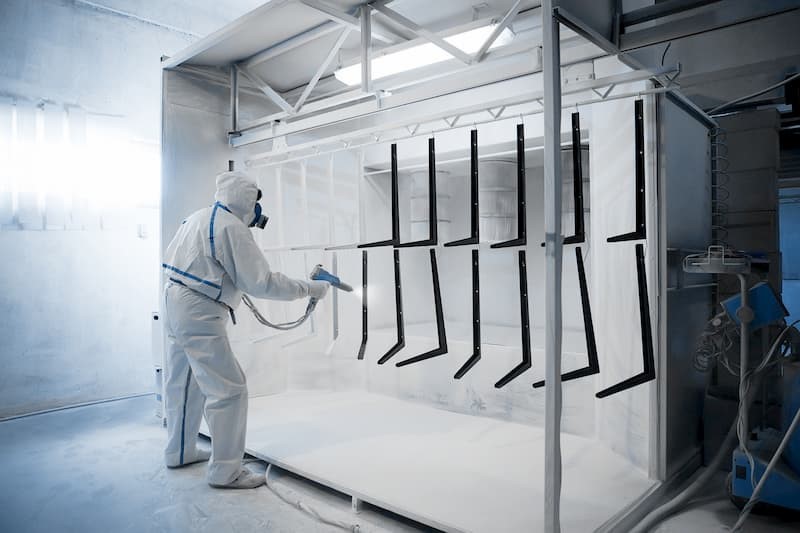
This is an aesthetic surface finishing method that involves the application of powdered paint onto the surface of the component. Subsequently, the sheet metal is baked to create robust layers on the material, enhancing wear and corrosion resistance.
Powder coating is particularly suitable for sheet metal fabricated parts as it produces durable, hard finishes. It provides solid resistance against chemicals and heat, effectively shielding components from harsh weather conditions and corrosion.
While various metals can undergo powder coating, it is especially well-suited for sheet metal products made from stainless steel and aluminum. These metals are ideal candidates for powder coating due to their capacity to hold electromagnetic charges and withstand high temperatures.
Pros:
- Excellent corrosion and abrasion resistance.
- Produces a long-lasting and cost-effective finish.
- No risk of fading, chalking, or adhesion failure.
- The end-product is typically less flammable and non-toxic.
Cons:
- Does not allow for a mixture of colors.
- Can be relatively expensive at times.
Anodizing

Anodizing is a process that involves converting the surface layer of sheet metal products into an oxide layer. This finishing technique is primarily compatible with aluminum and titanium and is available in different types:
- Type I: Involves the creation of a thin layer on the metal surface using chromic acid.
- Type II: Utilizes sulfuric acid to produce a strong and corrosion-resistant layer on the product’s surface.
- Type III: Hard-coat anodization results in thicker finishes with enhanced wear and corrosion resistance.
Common applications of anodizing finishes include automotive and aircraft parts, mechanical components, precision instruments, and more. This versatile finishing process imparts an aesthetic, corrosion-resistant finish to sheet metal parts.
Pros:
- Excellent abrasion and corrosion resistance.
- Produces an irremovable metal finish.
- No risk of fading, chalking, or adhesion failure.
- The end product of anodizing is UV stable.
Cons:
- Compatible with fewer metal materials.
- Difficult to replicate the finish on different metal parts.
Laser Engraving
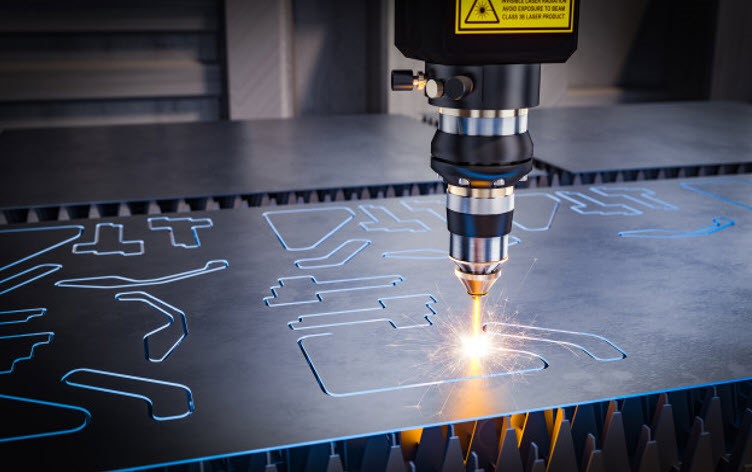
Laser engraving facilitates the addition of desired text or images onto a sheet metal product, serving purposes such as traceability labeling or personalized product customization.
In this method, the laser effectively fuses the desired coating onto the sheet metal component, resulting in a durable marking on the metal surface. Laser engraving is compatible with standard aluminum, stainless steel, carbon steel, and more. It even allows for the creation of corrosion-resistant laser marks on parts made from steel sheets without causing damage to the surface.
Pros:
- Delivers long-lasting results.
- Provides precision cutting for superior quality.
- High-speed processing.
Cons:
- Can be relatively expensive.
- Requires a high skill level.
Brushing
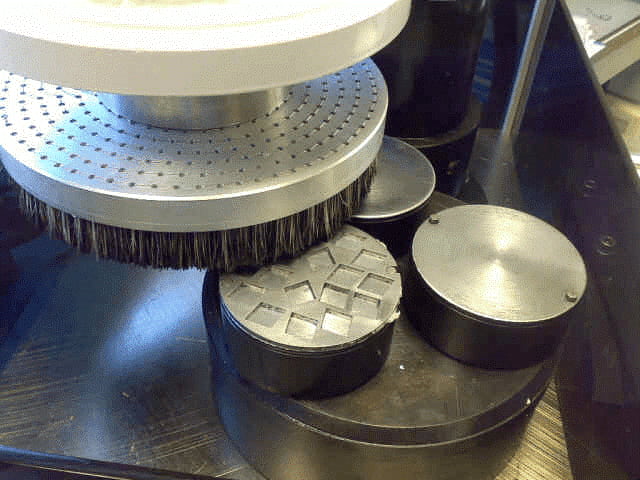
This surface finishing process utilizes filamentary brushes to enhance the surface quality of sheet metal parts. Brushing is effective in removing burrs that may occur during various sheet metal processes without introducing secondary defects to the component.
It is also well-suited for eliminating weld slag, paint, rust, and dirt from sheet metal fabricated parts. The right brush can help create well-rounded corners where two surfaces meet while maintaining specified tolerances.
Pros:
- Increased part durability.
- Enhanced adhesion to paint.
- Improved corrosion resistance.
- Enhanced mechanical and physical properties of metal components.
- Maintains product specifications and tolerances.
- Improved aesthetic properties.
Cons:
- Susceptible to damages.
- May be challenging to clean.
- A viscous finish may leave brush marks.
Screen Printing
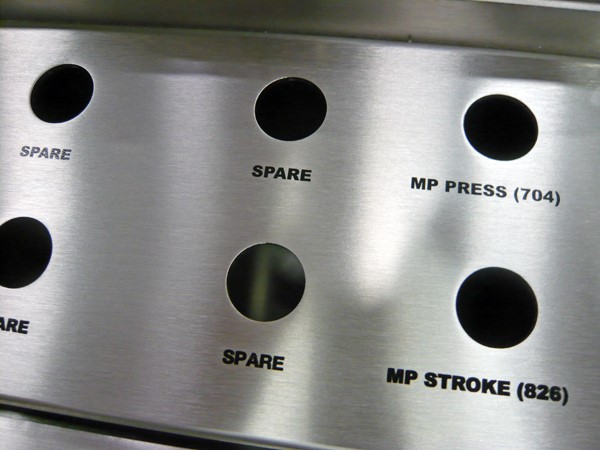
Screen printing, also referred to as silk-screening, utilizes a fine polyester mesh and a blade to apply ink onto specific sections of a metal component. Stencils are employed in the process to safeguard areas where ink should not be applied, ensuring precise design features.
This method proves to be a straightforward and cost-effective approach for incorporating custom designs onto sheet metal parts. It serves as an excellent alternative to engraving and painting, boasting the advantage of no color or size restrictions. Screen printing is particularly well-suited for applications such as company logos, part labels, nameplates, and safety instructions.
Pros:
- Applicable to a wide range of sheet metal.
- Offers long-lasting printing and protection when using the right adhesives.
Cons:
- Precision color matching can be challenging.
Other Finishing Techniques Suitable for Sheet Metal Fabrication:
The table below provides a summary of alternative finishing techniques applicable to sheet metal fabrication, aside from screen printing.
| inish | Description | Applications | Pros | Cons | Approximate Increase Price |
| Passivation | The sheet metal material undergoes a process where it is immersed in an acid bath containing either citric or nitric acid. In this procedure, the acid works to dissolve the iron content, while simultaneously allowing the chromium to remain, forming a robust and protective layer of chromium oxide. | Its primary purpose is to prevent corrosion on stainless steel materials by establishing a protective oxide layer that remains unresponsive to environmental reactions. | a. It safeguards the material from chemical degradation. b. It influences the corrosion resistance of the sheet metal component. | Does not yield a smooth surface on the metal; pre-cleaning is necessary. | +$$$ |
| Chemical Films | It operates based on the principle of chemical conversion coating, where chemicals interact with the surface of the metal to produce a protective film coating. | It is a cost-effective surface finishing solution designed to inhibit the oxidation of aluminum, consequently enhancing corrosion resistance. Additionally, they serve as excellent primers for painted surfaces. | a. Cost-effective b. Renders aluminum parts resistant to corrosion c. Applicable across a broad spectrum of industries d. Does not require electricity | It is effective exclusively for aluminum and aluminum alloys. | +$$$$ |
| Electroplating | It entails the bonding of fine metal layers onto another metal surface, creating an electrolytic cell. Following this process, a thin metallic coating develops on the substrate’s surface. | It can serve both functional and aesthetic purposes on the metal while also improving the product’s corrosion resistance. | a. Forms a protective barrier on the substrate b. Minimizes friction between moving parts c. Enhances adhesion properties for paints d. May contribute to an increase in material thickness. | a. Tends to be relatively costly b. Demands the operator to exercise additional precautionary measures | +$$$ |
| Electropolishing | This electrochemical finishing process eliminates thin layers of material from the metal part, resulting in a smooth, shiny, and clean surface. | It selectively removes material to enhance the surface roughness of the finished component. | a. Enhances resistance to corrosion b. Diminishes product adhesion c. Facilitates ease of cleaning d. Offers aesthetic benefits | a. Constrained process runtime b. Has the potential to impact the dimensions of the product | +$$$ |
| Painting | This finishing process entails applying layers of paint to the surface of the part, introducing colored coatings to provide protective benefits. In the conventional wet painting process, water- or solvent-based paints are sprayed onto the machined parts. | Painting enhances the product’s visual appeal and can serve as a method of brand identification for consumers. Additionally, it imparts protective effects on sheet metal parts. | a. Attains customized colors on various materials b. Provides a high level of control over finishing c. Can assist in concealing manufacturing defects d. Facilitates easy cleaning of materials e. Offers a cost-effective solution | a. It may not be as durable as other surface finishes b. It may require several applications to reach the desired color and thickness | +$$$$ |
| Electrophoresis | It involves the suspension of the metal substrate in a liquid medium to deposit voltage that coats the metal substrate. | It improves the texture of sheet metal fabricated parts and also impacts improved mechanical properties of the components. | a. Long-lasting, bright finish with high durability b. Increased hardness, corrosion resistance, and impact performance c. Good impact resistance | a. Limited water resistance b. Challenges in controlling porosity | +$$$$ |
| Laser Etching | Laser etching generates marks on components by inducing surface melting. The laser beam delivers heightened energy to the targeted area, causing it to melt and expand. The resulting etching can manifest in black, gray, or white. | It assists in establishing enduring markings on sheet metal products for brand recognition or accurate identification. | a. An extremely versatile process compatible with various metals b. Laser marks are typically durable and resistant to high temperatures c. Significantly faster compared to the majority of other laser marking methods | a. Demands highly skilled professionals b. May entail higher costs compared to laser engraving c. Involves the generation of potentially hazardous fumes | +$ |
Applications of Sheet Metal Fabricated Parts

A diverse array of industries incorporates sheet metal fabrication products into their daily operations. This section explores the applications of this manufacturing process across various sectors.
Aerospace

Precision and strict tolerances are imperative in the aerospace industry, particularly for components. Sheet metal fabrication proves invaluable in crafting a variety of lightweight and space-worthy components. Materials such as steel and aluminum, when coupled with advanced processes, enable the production of intricate designs for spacecraft and aircraft.
Moreover, sheet metal fabrication serves as a cost-effective solution for crafting custom interface panels and specific aerospace fasteners. Its versatility shines in aerodynamic applications and airfoils, as it excels in shaping large, smooth contoured parts. Beyond this, sheet metal fabrication finds utility in creating assembly tooling and fixtures, sensor enclosures, and avionics within the aerospace sector.
Automotive
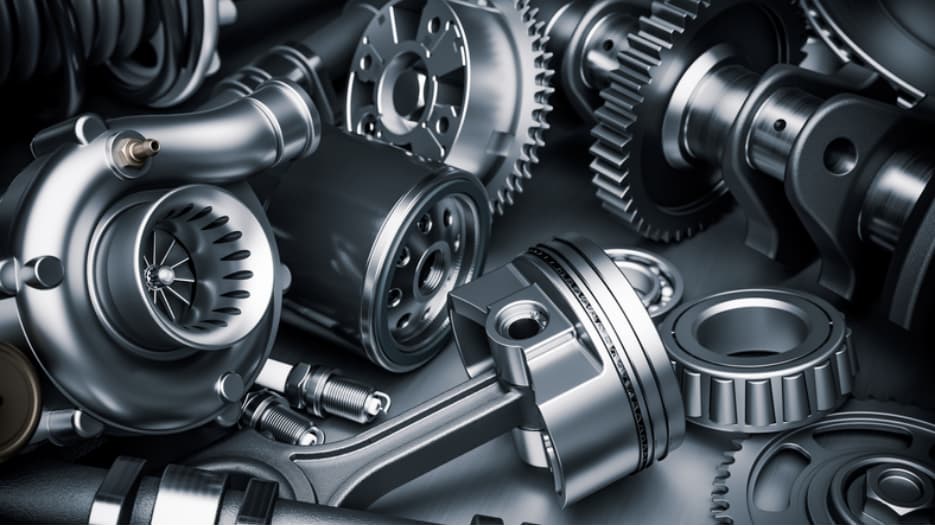
The feasibility of designing automobiles owes much to the ready availability of sheet metal materials. The sheet metal’s formative capabilities are instrumental in creating robust frames from thin metal sheets.
In the automotive industry, sheet metal manufacturing plays a crucial role in producing components such as fenders, hoods, roofs, and side panels. These parts undergo processes like laser cutting and punching to attain their final form. Additionally, the exhaust systems and frames of vehicles undergo roll forming before being shaped into their desired configurations using CNC tube benders.
Healthcare

In the healthcare sector, material selection is subject to numerous constraints and requirements. Sheet metal materials, however, are consistently available in most cases. Given the exacting standards for accuracy and quality in medical tools, sheet metal technologies prove invaluable for detecting design flaws and implementing necessary adjustments.
Furthermore, the automation of various metal fabrication techniques in the healthcare industry minimizes human error and enhances precision. This automated process facilitates the customization of medical instruments tailored to specific functions.
The properties of sheet metals align well with the demands of the healthcare sector. Materials like aluminum and stainless steel are well-suited for MRI applications due to their resistance to magnetic fields. Sheet metal is also employed in crafting high-precision tools such as scalpels and surgical instruments. The chemically inert nature of these materials enhances their value, as they can be easily sterilized and cleaned.
Appliances
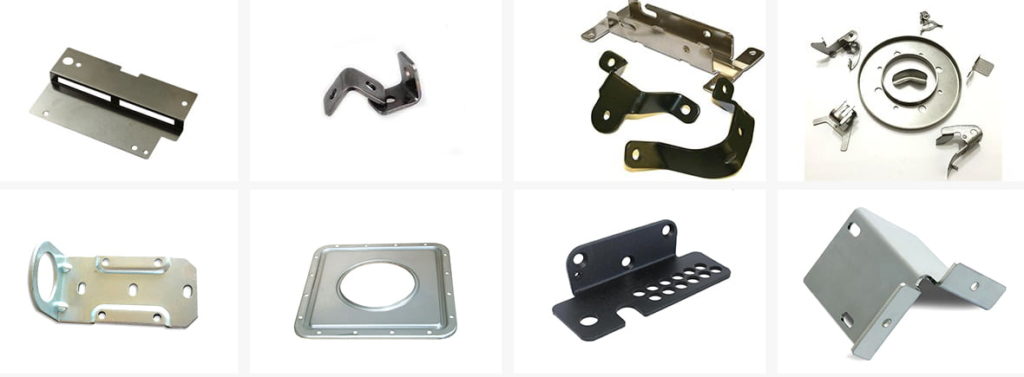
Sheet metal is an integral component of virtually every appliance found in a hardware store, either as the main material or enclosing various parts. The abundant availability of sheet metal materials, coupled with advanced fabrication processes, facilitates the creation of high-quality products for the appliance industry.
Sheet metal fabrication plays a crucial role in producing both the enclosures and internal components of appliances, ensuring strict adherence to specifications and tolerances. Examples of appliances benefiting from sheet metal fabrication include capillary tubes, housings for blenders and mixers, various kitchen appliances, and dispensing equipment, among others.
Electronics
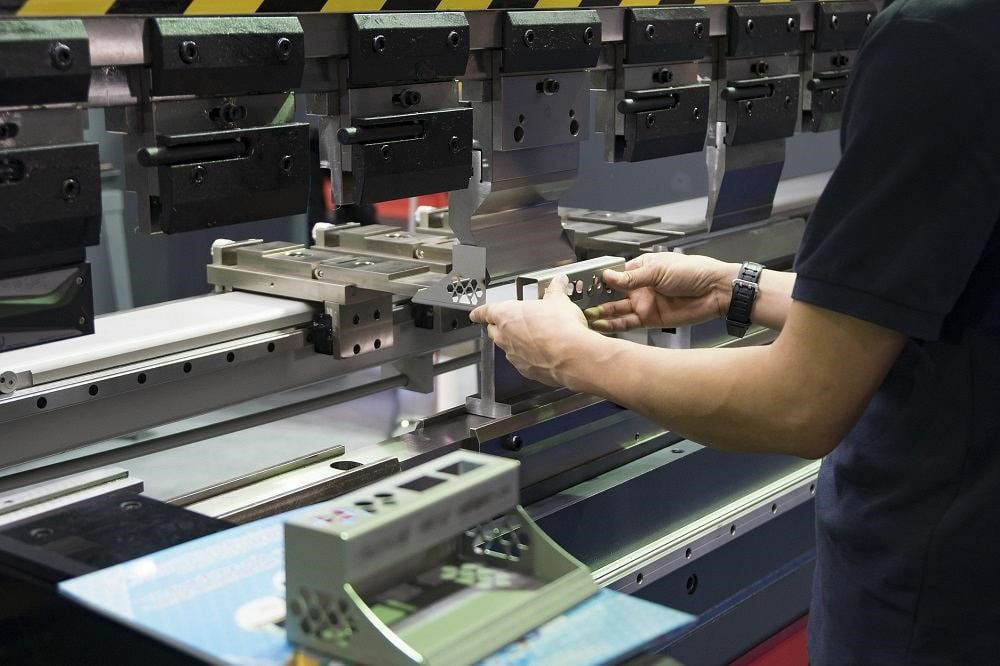
The electronics industry extensively relies on sheet metal fabrication for various applications. This process proves invaluable in prototyping electronic components, spanning computers, cell phones, tablets, LED lighting, audiovisual equipment, drones, telecommunications gear, and more.
Utilizing techniques such as laser cutting, waterjet cutting, CNC sheet metal turret punch presses, and press brakes makes sheet metal fabrication in electronics cost-effective. Moreover, the rapid nature of the process allows for swift examination of prototypes, enabling expedited product launches to market.
Enclosures
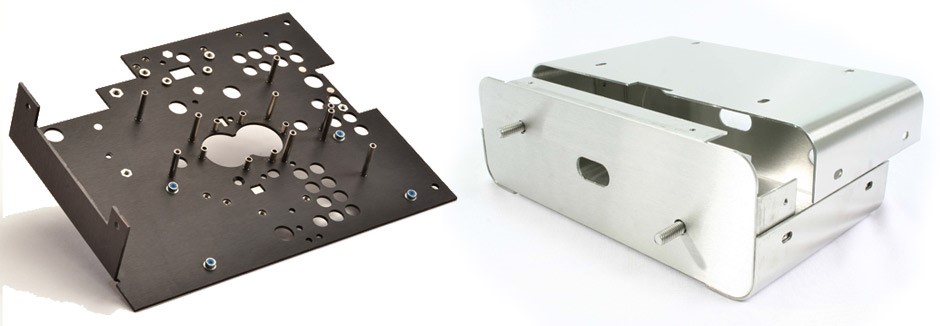
Whenever there’s a need to encase electronic mechanisms, sheet metal fabrication proves to be a reliable solution. It offers cost-effective housing and enclosures, safeguarding delicate electrical equipment and gearboxes. Fabricated sheet metal parts also serve to shield equipment from environmental elements, preventing the ingress of dirt. Furthermore, various cutouts can be strategically designed for cable connections, such as LED panels, HDMI ports, light pipes, and glass windows.
Advantages and Disadvantages of Sheet Metal Fabrication:
Advantages:
- Efficiency and Accuracy:
Sheet metal technologies have seen significant advancements, allowing for faster and more efficient product creation. Prototypes can be produced swiftly with the same speed and precision as in large-scale production. For example, laser beams can cut through 1mm thick steel at a speed of 18m/min. Automation in most sheet metal techniques, guided by computer codes, minimizes human error, ensuring highly accurate results. - A Wide Range of Techniques and Materials:
Various techniques, including cutting, bending, punching, stamping, and rolling, contribute to the versatility of sheet metal fabrication. Each process serves a distinct purpose, offering flexibility in creating different shapes and sizes of components. Additionally, a diverse range of surface finishing options is available for components requiring additional treatment. The ability to choose from various sheet metal materials, such as stainless steel, aluminum, copper, steel, and custom metals, provides flexibility tailored to the final application of the product. - Manufacture Lightweight Parts:
Sheet metal fabrication excels in producing lightweight components, making it a preferred choice in industries like aerospace and automotive. This manufacturing technique contributes to advancements in materials and processes, producing components that enhance fuel economy in automobiles and aircraft while ensuring efficiency. The creation of lightweight constructions through sheet metal manufacturing is crucial in various fields, including architecture, machine tools, and general engineering.
Disadvantages:
- High Upfront Costs:
Sheet metal fabrication entails substantial initial capital investment for the tools and equipment used. Processes like roll forming and stamping often require custom equipment and tooling, which can be costly and most cost-effective when producing in large quantities. Manual labor might be necessary, potentially increasing production costs. While automation can help reduce labor expenses, it becomes economically viable mainly for large-scale production. - Complex Bending Operations:
Bending operations can be intricate, involving trial and error aspects and calculations during the design cycle. Challenges escalate when shaft alignment and hole requirements are added to the equation. Working with thick metals intensifies the complexity, posing a risk of eventual failure in the final product. - Limited Designs:
Despite the flexibility of many metals, achieving highly complex designs and shapes through sheet metal fabrication is nearly impossible. In contrast to processes like injection molding, which can produce intricate shapes, sheet metal fabrication typically results in boxy end-products with a basic appearance.
8 Tips to Reduce Sheet Metal Fabrication Costs:
(To be provided in the next response)

8 Tips to Reduce Sheet Metal Fabrication Costs:
- Choose the Right Raw Materials:
Opt for low-cost materials like low carbon steel and hot-rolled steel during the prototyping stage. Consider using the most affordable metal material that effectively serves the parts’ functions for final production, such as choosing aluminum over stainless steel. For components in harsh environments, opt for pre-plated metals to reduce the need for additional finishes. - Use a Common Sheet Gauge:
Standard sheet sizes and gauges are cost-effective. Ordering unique gauges can increase production costs. Choosing metal grades based on market conditions and using common gauges reduces costs associated with variable gauges. - Avoid Welding and Plating:
Eliminate plating and welding to reduce costs and environmental impact. Welding pre-plated metal sheets can release toxic zinc oxide. Plating processes for uncoated cold-rolled steel increase lead time and manufacturing costs. - Avoid Complicated Design Elements:
Simplify designs to minimize manufacturing costs. Complex designs with numerous cuts and bends using thick metals can lead to increased tooling requirements, inaccuracies, and higher costs. Keep designs with simple angle bends and steady bend radii. - Optimal Bend Radius:
Design parts with an optimal bend radius between 0.030 inches (0.762mm) and the material thickness. This eliminates the need for specialized tooling and alternative methods, reducing manufacturing costs. - Stick with Appropriate Tight Tolerances:
Avoid unnecessarily tight tolerances to reduce manufacturing costs. Tighter tolerances require specialty tooling, which is more challenging to manufacture and maintain, increasing overall costs. - Consider Fast, Frugal Fasteners:
Choose readily available, fast, and cost-effective fasteners instead of custom-designed options. This helps streamline the manufacturing process and reduce costs. - Consider Finishing Options that Minimize Costs:
Choose finishing processes based on aesthetic requirements and applications. Delay finishes like silk screening and engraving until the final production stage to minimize costs. Some materials may not require specialized finishes, and standard options like passivation and chrome plating are cost-effective and quicker.
Conclusion:
Choosing sheet metal for manufacturing applications is a wise decision. This comprehensive guide covers sheet metal fabrication in detail, providing insights into processes, design guidelines, materials, and finishes. Understanding these factors is crucial for making informed decisions and optimizing your project.
Let’s Start A New Project Today