
In the realm of plastic part production, no manufacturing method rivals the popularity of injection molding. It stands out as the preferred choice for high-volume production due to its exceptional qualities. Moreover, only a handful of manufacturing processes can boast the level of recognition and versatility that injection molding commands. This method excels in creating thousands or even millions of plastic parts with unparalleled consistency and cost efficiency.
Although injection molding has been in existence for some time, it continues to revolutionize the manufacturing industry, playing a pivotal role in enhancing the efficiency, cost-effectiveness, and durability of plastic part production across various sectors.
Notably, the costs associated with production decrease as volume increases, thanks to economies of scale. Consequently, the adoption of this manufacturing method is rapidly expanding throughout the industry. In the year 2022 alone, the estimated market capitalization of plastic injection molding reached approximately $43 million, and this figure continues to climb.
Despite its simplicity, consistency, and cost-effectiveness, injection molding does have limitations. Strict quality requirements leave little room for errors, compelling manufacturers to implement stringent quality standards to ensure exceptional results. Issues related to the process that could potentially impact overall quality and consistency must be minimized. Here are some common challenges:
- Low-Quality Molds: This section addresses the factors causing quality issues in injection molds and outlines best practices to ensure consistent and reliable results across industries.
- Inspection of Tooling: An overview of ensuring quality in the molding process and its components, covering tooling inspection, prevailing standards, and common tests.
- Common Causes of Issues: Learning from others’ experiences, this guide explores the typical causes of problems in any injection molding setup and how to overcome them.
- Low Productivity: Recognizing that productivity and efficiency are paramount in any production setup after quality, this guide delves into proven techniques to enhance efficiency.
- Troubleshooting Mold Defects: Despite best efforts, defects may still occur. This guide explores ways to troubleshoot these defects and ensure a flawless final product.
This text delves into essential elements of the injection molding process, offering insights into the process itself, best practices, and material choices. By the end, you will be equipped with enough knowledge to embark on an injection molding project, informed about the common decisions you’ll encounter throughout the process.
The Fundamentals of Injection Molding
What is injection molding, and how did it become an industry cornerstone? This section provides a brief overview of the basics, shedding light on the process, its inception, special requirements, and key factors influencing overall quality.
What is Injection Molding?
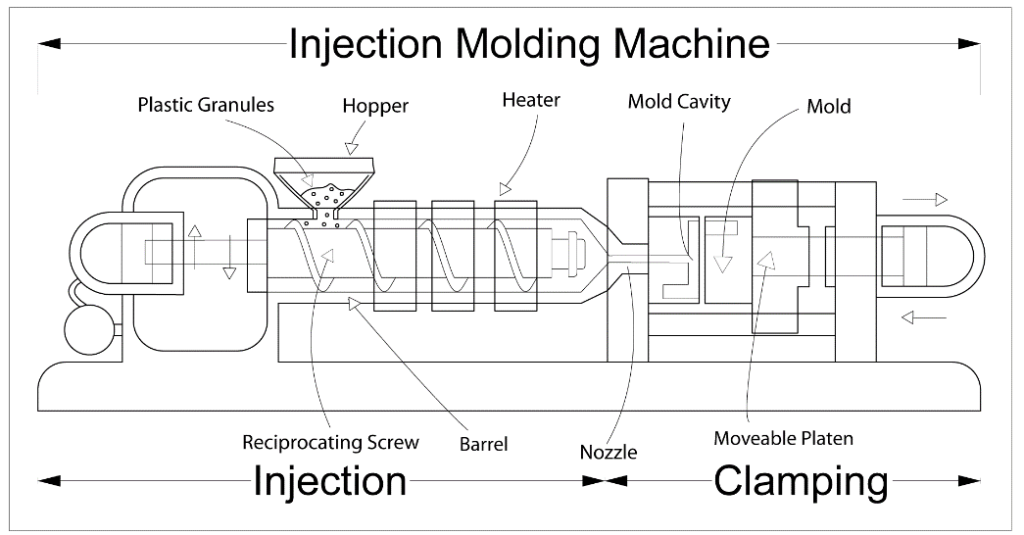
In its most basic terms, injection molding stands as a pivotal plastic production method that involves the melting of granular polymers. The molten plastic is then shaped using molds, solidifying under pressure to yield identical, durable, and reliable plastic parts in record time.
This process is exceptionally versatile, capable of producing hundreds to thousands of parts, and is renowned as one of the most cost-effective approaches to plastic part production. Notably, the cost efficiency increases with higher production volumes, allowing for substantial savings without compromising on quality or other technical specifications.
A Concise History of Plastic Injection Molding
The roots of plastic injection molding trace back to the 19th century when the first molding machine was patented. This early machine, while rudimentary by modern standards, could process only specific materials and faced safety concerns related to flammability and other factors. Consequently, the production of plastic parts was limited to simplistic items like combs and buttons, albeit on a small scale.
The landscape began to change in the 1930s with the development of key thermoplastics integral to modern industry. Notable among these were polyolefins, polystyrene, and polyvinyl chloride (PVC), which continue to excel and find widespread use in various industrial applications.
This pivotal development, coupled with the increasing demand for a cost-effective alternative to metals, laid the foundation for contemporary injection molding setups. American inventor James Hendry played a crucial role by constructing the first extrusion screw injection machines. Over time, these machines underwent gradual transformations, shaping the plastic molding industry into the sophisticated and efficient system it is today.

Evolution of Injection Molding Machines
The image illustrates the progressive evolution of injection molding machines, focusing on those crafted by Negri Bossi, a renowned manufacturer in the industry. This comparison underscores how manufacturers, including Negri Bossi, have consistently updated their machines to align with the latest technological advancements as the foundational principles of the injection molding process have evolved.
In today’s landscape, plastic products excel in various high-performance industries, boasting extended service life. Furthermore, contemporary processes continually enhance the recyclability of plastics, rendering them more environmentally friendly.
The Injection Molding Process
In its most straightforward terms, the injection molding process commences by heating a thermoplastic to its liquid state. Existing molds are then employed to achieve the desired shapes. The mold preparation is considered an integral part of the process, setting the stage for the subsequent creation of the plastic part. Let’s delve into the three primary types of injection molding processes.
Plastic Injection Molding Process
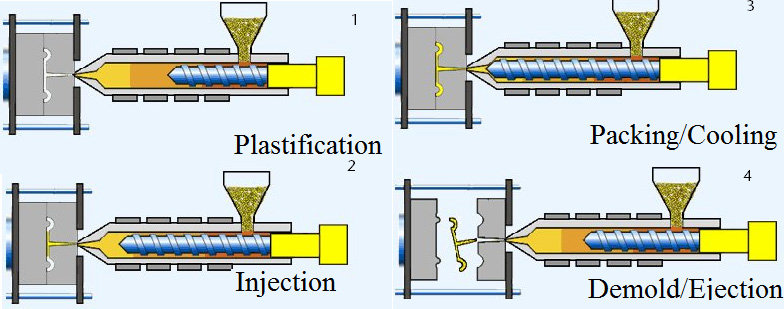
The plastic injection molding process unfolds in two key stages. The initial stage involves the design and creation of the mold, while the second stage encompasses six repetitive steps.
Stage 1: Mold Manufacturing
The foundational step in the injection molding process revolves around crafting the mold. Engineers employ advanced tools like CAD and CNC machining to meticulously define the mold’s specifications, encompassing its geometry, dimensions, and even surface texture.
In terms of expenditures, creating the mold stands out as the most significant cost in the injection molding process. A typical mold capable of handling production runs ranging from 1,000 to 10,000 units can cost between $2,000 to $5,000, with even higher costs for intricate parts. Expertise is crucial in this phase, with engineers conducting simulations and tests to validate the design. The use of high-quality materials, such as aluminum or steel, ensures the durability of molds through multiple production cycles. The advent of 3D printing has notably reduced the cost of manufacturing molds, particularly for low-volume injection molding.
Stage 2: Plastic Part Production with Injection Mold
With the mold design and creation finalized in Stage 1, the subsequent steps in the injection molding process unfold seamlessly. The following are the six repetitive steps for producing injection molded parts:
- Clamping: This phase initiates the injection molding process by using a machine to press together the two metal plates of the mold.
- Injection: After clamping, the plastic undergoes heating until it transforms into a liquid. This liquid is then injected into the mold, requiring precise temperature control for proper mold setting.
- Dwelling: To eliminate air pockets formed during injection, pressure is applied to ensure the molten liquid fills every cavity in the mold.
- Cooling: The mold is left undisturbed, allowing the liquid to cool and solidify into the desired part shape.
- Mold Opening: The part is carefully removed from the mold using a clamping motor, ensuring no damage occurs during the extraction.
- Ejection: Engineers use an ejection bar to push the product out of the cavity. Excess material is trimmed, and the final product undergoes inspection before delivery to customers.
Overmolding
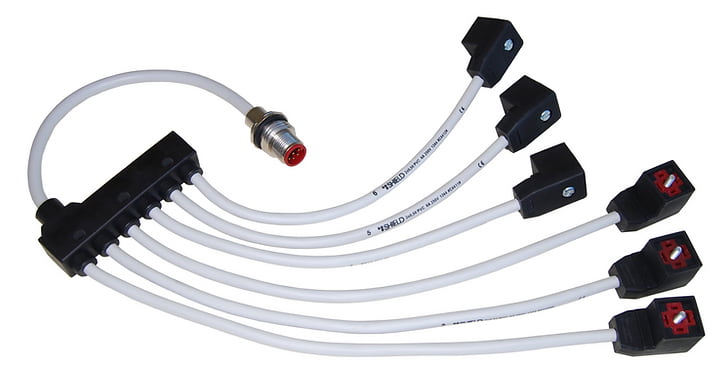
Overmolding is a distinctive process where two different materials combine to form a single product. A sturdy plastic serves as the base material, with a softer material either entirely or partially covering the parts to create a protective layer. While the process may seem straightforward, its success hinges on meticulous material selection and precise control over the injection molding process.
Overmolding and its Diverse Applications
Overmolding boasts significant industrial applications, and four common types of overmolding parts are prevalent in the industry:
- Plastic over Plastic
- Rubber over Plastic
- Plastic over Metal
- Rubber over Metal
Insert Molding
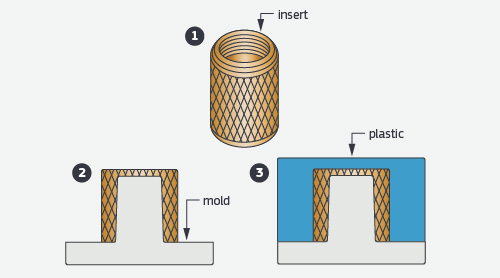
The foundational principle of insert molding mirrors that of overmolding, with the key distinction being the use of a metal insert as the base material. In this process, the metal component is introduced into the mold before the injection stage. The thermoplastic material flows around the metal base, conforming to the mold’s shape and encapsulating the metal component.
Injection Molding: Pros and Cons
While injection molding stands out as an excellent choice for numerous plastic applications, it does come with its set of advantages and disadvantages. The following table provides a detailed comparison between the positive and negative aspects of injection molding.
| Advantages of Injection Molding | Disadvantages of Injection Molding |
|---|---|
| High Production Output: Allows for the efficient production of a large number of identical parts. | Initial Tooling Cost: The creation of molds incurs a substantial upfront cost, particularly for intricate designs. |
| Cost-Effective at Scale: Economies of scale make it cost-effective for high-volume production. | Design Complexity: Complex designs may require sophisticated molds, increasing overall production costs. |
| Precision and Consistency: Offers high precision and consistency, ensuring uniformity across produced parts. | Lead Time: The production setup, including mold creation, can result in longer lead times compared to other processes. |
| Material Variety: Compatible with a wide range of thermoplastics, allowing for material flexibility. | Material Limitations: Certain materials may have limitations, and not all thermoplastics are suitable for injection molding. |
| Minimal Post-Processing: Parts often require minimal post-processing, reducing additional labor and costs. | Limited Material Properties: Some materials may not offer the desired properties for specific applications. |
| Complex Geometries: Capable of producing intricate and detailed part geometries with ease. | Environmental Impact: Waste material generated during the setup and testing phases can have environmental implications. |
| Surface Finish: Produces parts with a high-quality surface finish directly from the mold. | Limited Run Flexibility: It may not be cost-effective for small production runs due to high initial tooling costs. |
Understanding both the strengths and limitations of injection molding is crucial for making informed decisions based on specific project requirements and constraints.
Injection Tooling and Molding
Choosing the right tooling is crucial for the success of any injection molding project, considering factors such as cost, preparation time, and technical requirements. Below are common injection molding tooling methods that ensure quality and consistency in design and product production.
By Materials
- Steel Molds
- Advantages: Durable, consistent, ideal for high-volume production, and well-suited for applications with high tolerance requirements.
- Tolerance: Typical tolerance around +/-0.002”.
- Drawbacks: High lead times and initial costs can be significant drawbacks. Steel Alloys used: 420, NAK80, S136, 316L, 316, 301, 303, 304
Stainless steel variants: 420, NAK80, S136, 316L, 316, 301, 303, 304
- Aluminum Molds
- Advantages: Offers a middle ground between 3D printed and steel molds. Suitable for prototypes with faster lead times and production molds for high-volume applications.
- Tolerance: Consistent parameters with shorter lead times.
- Durability: Prototyping molds may not be as durable, while production aluminum molds, incorporating Masted Unit Die (MUD) inserts, can last for 10,000 or even 20,000 pieces. Aluminum Alloys used: 6061, 5052, 7075
- 3D Printed Tooling Molds
- Advantages: Ideal for rapid prototyping, enabling quick design iterations and concept testing.
- Material Properties: Limited material properties, suitable mainly for smaller, low-volume batches.
- Materials used: PETG (polyethylene terephthalate), ABS (acrylonitrile butadiene styrene), Nylon (polyamide), PP (polypropylene), TPE (thermoplastic elastomers)
While each tooling option has its merits, the choice depends on the specific project requirements, including production volume, lead time, and budget considerations.
By the Number of Cavities
Another way to categorize molds is based on the number of cavities they possess. Typically, the choice boils down to a single-cavity or multiple-cavity mold, depending on the specific application. Family molds are also an option, although their usage is relatively limited compared to other types. Here’s an overview of each:
Single Cavity Mold
A single cavity mold represents the most basic design, producing only one part per injection cycle. This choice is often driven by cost considerations or in cases where higher-tonnage machines are unavailable. Single cavity molds are suitable for smaller to medium production volumes, typically up to a few thousand parts.
Multi-Cavity Mold
Multi-cavity molds have the capacity to generate multiple parts of the same design in a single injection cycle. This mold type is advantageous for projects where economies of scale are crucial, and production volumes range from a few thousand to potentially hundreds of thousands. However, multi-cavity molds are more intricate to manufacture and require machines with higher tonnage, leading to increased initial mold costs.
Family Mold
Family molds are specialized molds enabling the creation of various parts in a single cycle, all from a single mold type. While technically similar to multi-cavity molds, family molds differ in the variety of products they can produce in one cycle.
Injection Mold Surface Finishes
Achieving the right surface finish is vital for the overall appearance of a product. Aesthetic considerations aside, a flawless product finish not only enhances the product’s visual appeal but also influences its quality and longevity.
Understanding the nuances of different mold types and surface finishes is crucial for making informed decisions based on specific project requirements and desired outcomes.
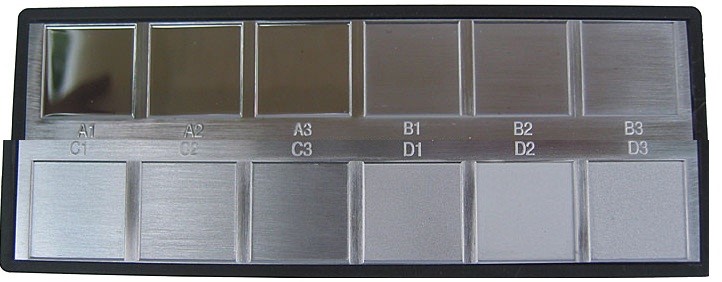
Industry Standards for Surface Finishes: SPI and VDI
When it comes to achieving impeccable surface finishes in injection molding, two prominent standards stand out: SPI (Plastics Industry Association) and VDI (Society of German Engineers). Here’s an in-depth look at each:
SPI Surface Finish:
SPI categorizes surface finishes into four main groups, each offering variations to accommodate manufacturers’ needs and allowable deviations. These categories are crucial for achieving the desired aesthetics and influencing the overall look and feel of the product.
- Glossy Finish (Grade A):
- Super High Glossy Finish (Grade A-1)
- High Glossy Finish (Grade A-2)
- Normal Glossy Finish (Grade A-3)
- Semi-Glossy Finish (Grade B):
- Fine Semi-glossy Finish (Grade B-1)
- Medium Semi-glossy Finish (Grade B-2)
- Normal Semi-glossy Finish (Grade B-3)
- Matte Finish (Grade C):
- Fine Matte Finish (Grade C-1)
- Medium Matte Finish (Grade C-2)
- Normal Matte Finish (Grade C-3)
- Textured Finish:
- Used for both industrial and consumer products, providing an aesthetic appeal.
- Fine, Medium, and Coarse Textured Finishes are available.
VDI Mold Texture Finish:
VDI, developed by the Society of German Engineers, is a widely followed standard in Europe and Asia. It offers flexibility in design by applying patterns to the mold surface during the injection molding process.
- Applications:
- Practical purposes, concealing surface flaws, enhancing grip, and reducing friction-related wear.
- Method:
- Incorporates Electrical Discharge Machining.
- Utilizes classical tools like grit and sandpaper, providing flexibility.
Choosing the right injection molding tooling is a critical aspect of the process, impacting product durability and production efficiency. The decision involves balancing parameters such as cost, performance, and speed. Both SPI and VDI standards offer guidance on achieving specific surface finishes, ensuring the desired aesthetic and functional outcomes.
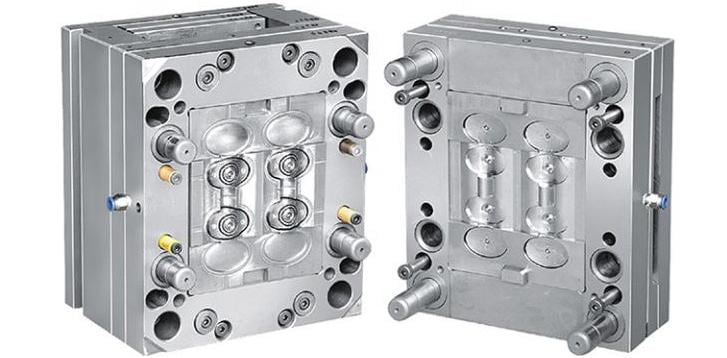
Critical Parameters for Choosing Tooling in Injection Molding
Selecting the right tooling for an injection molding project involves careful consideration of several key parameters. Here are the eight most important factors to guide this decision:
1.Project Scope:
- Importance: Paramount.
- Consideration: Tailor tooling choice to the project’s scope. For rapid prototyping labs, rapid 3D printed or prototyping aluminum tooling may be suitable due to speed requirements. The emphasis may be on speed and cost rather than durability.
2.Part Size:
- Importance: Significant.
- Consideration: Larger parts may require specialized tooling, while for smaller parts, insert molds could be a cost-effective alternative. Insert molds fit under pre-existing bases, reducing waste and costs.
3.Expected Volume:
- Importance: Crucial.
- Consideration: Economies of scale come into play for industrial applications. The expected volume determines whether to invest in durable tooling or opt for a more cost-effective solution for the current needs.
4.Material Selection:
- Importance: Critical.
- Consideration: The type of material being molded influences the choice of tooling. Some materials may require specialized tooling for optimal results.
5.Tolerance and Precision:
- Importance: High.
- Consideration: Parts with tight tolerances demand tooling that ensures precision. Steel molds are often chosen for applications with very high tolerance requirements.
6.Lead Time:
- Importance: Significant.
- Consideration: Urgency in project completion may guide the tooling choice. 3D printed tooling offers quicker lead times, making it suitable for situations where speed is crucial.
7.Budget Constraints:
- Importance: Crucial.
- Consideration: Budget constraints play a significant role. Choosing tooling that aligns with budget limitations while meeting project requirements is essential.
8.Tooling Material Durability:
- Importance: High.
- Consideration: The durability of tooling material is crucial for long-term and high-volume production. Steel molds are durable but may have higher lead times and costs.
Making informed decisions based on these parameters ensures that the chosen tooling aligns with the project’s specific needs, providing a balance between cost, performance, and efficiency.
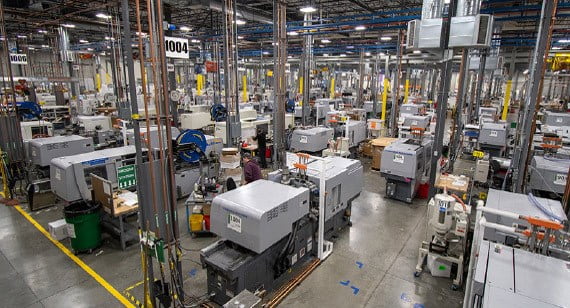
Injection Molding Material Selection Guide
Determining the appropriate material for plastic injection molding involves considering various factors such as project requirements, part characteristics, and application needs. Below are some common materials used in injection molding along with their key properties:
Nylon (PA):
- Applications: Automotive industry (bearings, gears), fixtures, jigs, snap-fit closures.
- Properties: Tough, lightweight, high heat and abrasion resistance.
Acrylonitrile Butadiene Styrene (ABS):
- Applications: Electronic parts (phone adaptors, keyboards).
- Properties: Easy to mold, high impact resistance, multiple texture and finishing options.
Polyoxymethylene (POM):
- Applications: Gears, fans, automotive and electrical switch components.
- Properties: Strong, rigid, resistant to solvents, vulnerable to certain acids.
Polycarbonate (PC):
- Applications: Diffusers, machinery guards.
- Properties: Transparent, high strength, toughness, UV resistance.
Polytetrafluoroethylene (PTFE – Teflon):
- Applications: Medical and electrical industries, bearings, mechanical gears.
- Properties: High corrosion resistance, ideal for chemicals and acids.
Polymethyl Methacrylate (PMMA – Acrylic):
- Applications: Alternatives to glass (low weight, transparency, shatter resistance).
- Properties: Low weight, excellent transparency, shatter resistance, UV resistance.
Polyvinyl Chloride (PVC):
- Applications: Automotive parts, windows.
- Properties: Cheap, lightweight, high tensile strength, environmental resistance.
Polyether Ether Ketone (PEEK):
- Applications: Medical applications.
- Properties: Resistance to gamma radiation, autoclaving, excellent mechanical properties.
High-Density Polyethylene (HDPE):
- Applications: Plugs, toys, totes.
- Properties: Electrical insulator, resistant to moisture and chemicals.
- Polyethylene (PE):
- Applications: Plastic water bottles, toys, cables, device components.
- Properties: Resistance against moisture and chemicals.
- Polystyrene (PS):
- Applications: Optical clarity applications.
- Properties: High optic clarity, two types: General Purpose Polystyrene (GPPS) and High Impact Polystyrene (HIPS).
- Fiber and Additives:
- Applications: Reinforcement for stability, strength, and stiffness.
- Properties: Enhances specific characteristics of the base material.
Injection Molding Design Guide
Apart from material selection, the design of the part plays a crucial role in the success of the injection molding process. Key design elements include:
Wall Thickness:
- Guideline: Ensure consistent wall thickness to avoid issues like stress concentration and micro-cracks.
Ribs and Bosses:
- Guideline: Use ribs for strength and bosses for alignment and additional material in corners.
Corners and Fillets:
- Guideline: Use rounded corners and fillets to reduce stress concentrations.
Draft:
- Guideline: Incorporate draft angles for easy ejection of the part from the mold.
Undercuts:
- Guideline: Minimize undercuts or use side actions for complex shapes.
Gating:
- Guideline: Proper gate placement to ensure even filling of the mold.
Ejector Pins:
- Guideline: Strategically place ejector pins for efficient removal of the part from the mold.
Texture and Finish:
- Guideline: Consider the desired surface finish and texture during the design phase.
Material Selection for Design Intent:
- Guideline: Choose materials based on the part’s function, environmental conditions, and required properties.
Tolerance and Precision:
- Guideline: Design for the required precision, considering the limitations of the injection molding process.
By following these design guidelines, engineers can address the inherent limitations of injection molding and ensure the production of high-quality parts.
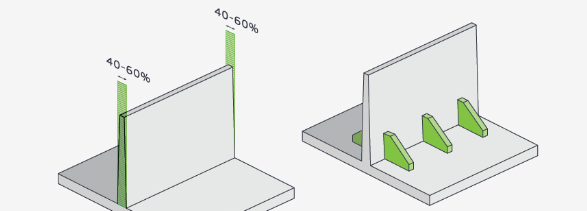
In addition, variations in wall thickness can contribute to shrink variability, introducing potential issues in the manufacturing process. Experts recommend minimizing thickness variability and, when unavoidable, restricting it to a maximum of 60% to mitigate adverse effects.
Tolerances:
Maintaining control over tolerances is essential for achieving a balance between cost, time, and complexity. Striking the right precision is crucial, as excessive precision can lead to higher costs and increased complexity. Design tolerances should be set to meet the necessary requirements for cost-effectiveness and efficiency while ensuring functionality is not compromised.
Part Geometry:
Expanding on the previous point, it is advisable to avoid unnecessary complexity in part geometry for optimal results in the injection molding process. Complex designs tend to escalate costs and effort required for both tooling and part production. Designs featuring numerous cavities, cross-sectional variations, and intricate details pose challenges in processing, demanding additional resources. This complexity can impact the product’s market viability or potentially erode a business’s competitive edge.
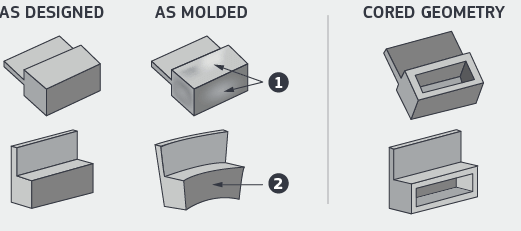
Draft:
Draft is an inherent aspect of product design that facilitates easy ejection by tapering one side in the direction of the mold opening. The ideal draft for a product is primarily determined by its geometry and design characteristics. While a recommended minimum draft of 1 degree ensures excellent performance, opting for 2 degrees can offer significant benefits and is advisable whenever feasible.
Radii:
In the design phase, a product may feature either sharp edges or smooth, rounded surfaces. However, smooth surfaces are generally preferred due to their positive impact on mechanical characteristics and production efficiency. The flow of liquefied plastic is smoother on rounded surfaces during production, and such designs help reduce overall stress concentrations—something sharp edges are known for.
Undercuts:
Undercuts refer to features or elements in a design that hinder the ejection of a part from a mold after cooling. While generally undesirable, certain undercuts become necessary due to design considerations or specific application requirements. Examples of situations where undercuts are necessary in injection molding design include:
- Interlocking snap-on/off features in a product
- Side holes or other cavities for buttons and similar features
- Vertical threads or a barb fitting in the design
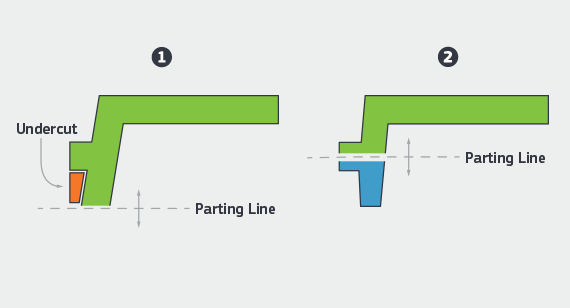
Minimizing Impact of Undercuts: Since completely avoiding undercuts is nearly impossible, minimizing their impact on the process is crucial. For injection molding with undercuts, incorporating the part feature in a way that it remains perpendicular to the drawn line is a highly effective solution. This approach facilitates the ejection process without compromising the fundamental design and overall functionality of the part.
Gates: In the injection molding process, gates act as pathways for molten plastic, and their precise placement is vital for optimal results. Incorrect gate design can lead to various injection molding defects, such as flow lines, sink lines, and weld lines. Different gate types, including edge gates, tunnel gates, and cashew gates, are used for specific applications. Here’s a brief overview:
- Edge Gates: Ideal for larger, less complex parts with consistent thickness.
- Tunnel/Submarine Gate: Suitable for designs with small to medium cross-sectional areas, positioned on the parting line.
- Cashew Gate: Similar to tunnel gates but with a greater curve, ideal for applications where aesthetics are crucial.
- Direct Sprue Gate: The oldest and simplest gates, used infrequently due to high shear stress.
- Diaphragm Gate: Excellent for applications requiring a large cavity and even material flow, common for cylindrical and circular parts.
Proper gate design ensures no jetting or overheating during the injection molding process.
Ejector Pins: For designs with complexity, ejector pins provide the necessary force for part separation from the mold. However, they may leave marks on the part, impacting aesthetics. While these marks are often considered a necessary evil, designers can strategically position ejector pins to minimize their visibility, ensuring they don’t become a significant drawback.
Common Industrial Applications of Injection Molding: Plastic injection molding finds widespread use in various industries, including aerospace, construction, IT, and food. In the food industry, for instance, injection molding is crucial for manufacturing durable and flexible packaging for hard products. Here are some common industries where plastic injection molding is integral:
Automotive Parts: The automotive industry extensively relies on plastic injection molding for manufacturing components like body kits, fenders, and spoilers, contributing to improved aerodynamics.
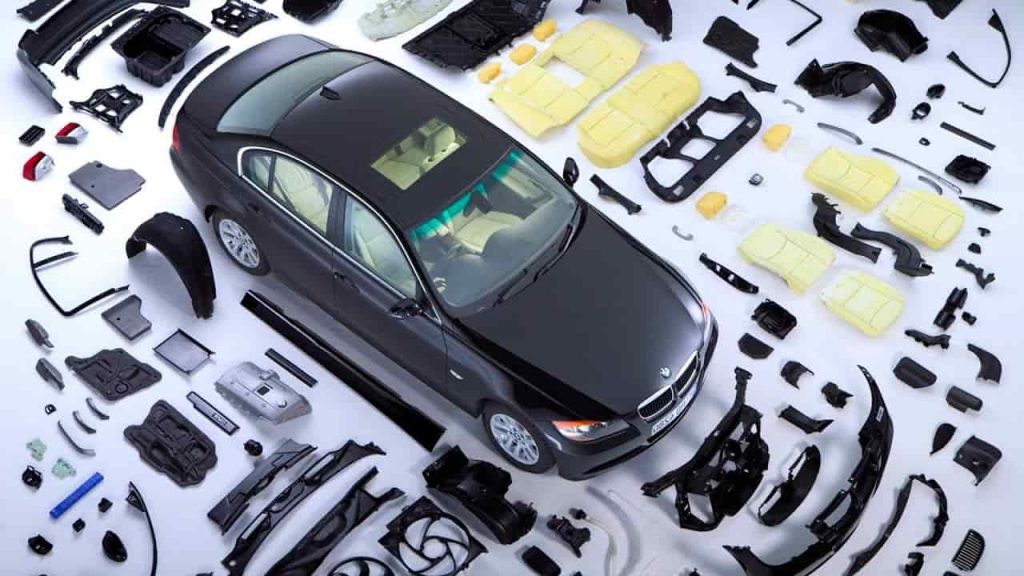
Automotive Parts:
Plastic injection molding is the preferred technique for producing various automotive parts due to its precision and strength. Take, for instance, a car’s body and multiple components where plastic plays a crucial role in improving the vehicle’s aerodynamic profile. These components, manufactured through plastic injection molding, possess characteristics that effectively reduce drag force on the vehicle. Many renowned automobile companies rely on plastic injection-molded components to enhance their products.
Medical Industry:
The medical industry prioritizes accuracy and sustainability, adhering to stringent guidelines for manufacturing plastic parts. In this field, where precision is paramount and lives are at stake, manufacturers must comply with multiple production standards to ensure continued operations without compromising safety. Similar to automotive parts, plastic components in the medical sector require specific chemical and structural properties to withstand higher temperatures for enhanced durability. Precision is crucial, especially when these components are intended for implants or critical surgical operations.
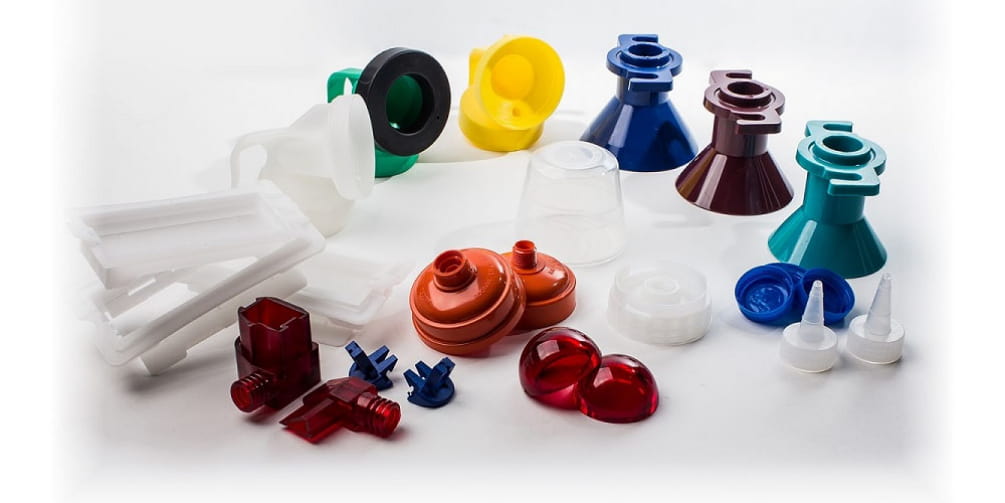
Plastic Injection Molding in Medical Industry:
Plastic injection molding stands out as an exceptional manufacturing process for its ability to provide increased strength, flexibility, durability, and ease of modification. These qualities are paramount for critical surgeries. Commonly produced parts for medical applications include surgical room prep equipment, supports for fractures, surgical instruments, and dentures.
Electronics Industry:
Plastic injection molding is widely adopted in micro-applications within the electronics industry, offering the precision and quality required for smaller components. Computers, laptops, and various small-scale electronic devices leverage this technique for components such as motherboards, RAM holders, and casings. The stringent requirements for precise dimensions make injection molding a popular choice for electronic products.
Aerospace Industry:
The aerospace industry, known for its strict guidelines regarding precision and structural strength, has increasingly embraced plastic injection molding. Many airplane aerodynamic components are now produced using this technique. From large to small parts, the aerospace industry benefits from the structural integrity and precision provided by plastic injection molding. Components like the interior of seats and handles often utilize ABS plastic, compatible with additive manufacturing techniques.
Retail Industry:
Plastic injection molding finds widespread application in the retail sector, particularly for parts used in display purposes. The technique is chosen for its ability to deliver the necessary aesthetics and finishing crucial for these applications.
Household Items Manufacturing:
Plastic injection molding is extensively employed in the manufacturing of household items. From various components in modern household items to entire products made of plastic or resin material, this industry relies on the versatility and efficiency of plastic injection molding.
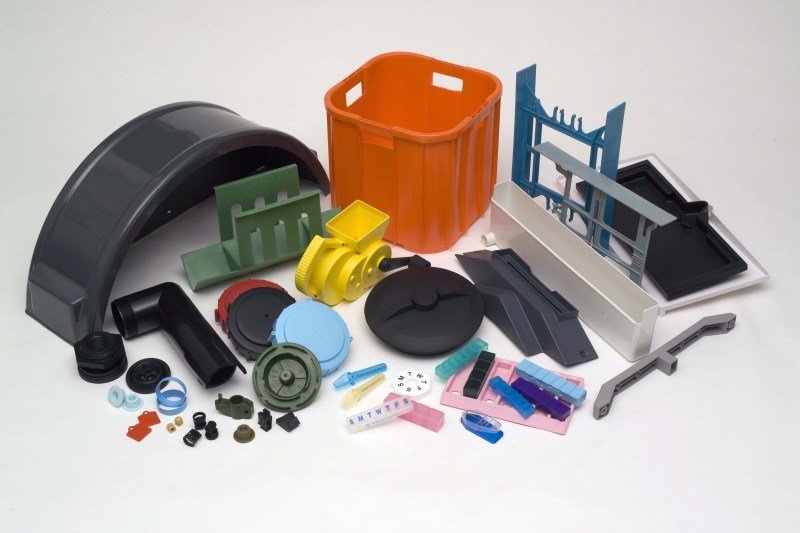
Common Applications of Plastic Injection Molding:
Household Items Manufacturing:
Plastic injection molding has become commonplace in producing household items such as racks, window holders, handles, and cutlery holders. The shift towards plastic components is driven by their durability, quality, and aesthetic appeal. The use of plastic has replaced metal components, eliminating issues like rust and noise, resulting in a booming industry. Global exporters, especially in countries like China, have set up major production plants dedicated to supplying plastic components worldwide.
FMCG (Fast-Moving Consumer Goods) Industry:
The FMCG industry heavily relies on plastic injection molding for packaging and creating aesthetically pleasing designs. Beyond aesthetics, the FMCG sector must adhere to strict regulations for sanitization and safety. Injection molding ensures compliance with regulations, making products BPA-free, FDA-certified, non-toxic, and GMA-safe.
Construction Industry:
The construction industry embraces plastic injection molding for innovative products that assist workers on-site. Architects commonly use components like protractors and geometry items manufactured through injection molding. The benefits include cost-effectiveness, durability, flexibility, and low weight, making them ideal for various construction applications. Products like safety helmets, pads, design components, and hand tools are commonly produced using this technique.
Major Factors Affecting Injection Molding Costs:
- Material Cost: The choice of material can significantly impact costs, especially when adhering to specific standards or certifications.
- Mold Cost: Mold creation can be a one-time cost for repeated use or incur additional expenses for innovative and custom products.
- Labor Cost: Variable costs influenced by factors such as minimum wage, time requirements, and external factors like inflation.
- Part Complexity: Complex designs increase costs, affecting both mold creation and production.
- Mold Size: Larger molds require more material, contributing to increased costs.
- Production Volume: Mass production lowers overhead costs, offering potential for cost reduction.
Tips for Reducing Injection Molding Costs:
- Increase production volume for better cost efficiency and increased revenue.
- Review part complexity before committing to an order to avoid losses.
- Assess if an existing mold can be re-utilized to reduce mold costs.
- Utilize Topology Optimization to refine designs for manufacturing, lowering molding costs.
YS: The One-Stop Solution for Injection Molding Projects:
For businesses in the manufacturing sector, having the right processing partner is crucial. YS, represented by RapidDirect, offers decades of experience, global exposure, and stringent quality standards. With expertise in optimizing designs, utilizing efficient techniques, and ensuring cost-effectiveness without compromising quality, YS is a one-stop solution for injection molding and other manufacturing needs. Advanced facilities, integrated design analysis, and a commitment to unmatched quality make YS a leader in the industry.
Let’s Start A New Project Today