Electronic devices play an omnipresent role in both personal and professional spheres. However, not everyone is acquainted with the various processes essential for crafting the diverse electronic components incorporated into these devices. Predominantly, CNC machining stands out as the most prevalent rapid prototyping method employed in the fabrication of prototypes and final products for electronic components. Hence, it is imperative to delve into the machining of electronic parts.
This article will explore the application of CNC machining in the electronic industry, highlighting various reasons for its suitability in the machining of electronic parts. Additionally, it will introduce key CNC electronic components that are essential to understand. Continue reading for more insights!
The Popularity of CNC Machining in the Electronic Industry
Before delving into the various CNC electronic components prevalent today, it’s essential to understand why electronic parts machining is a viable choice in the industry. Here are a few reasons:
- Wide Range of Materials Support: CNC machining accommodates a diverse range of materials, making it suitable for the fabrication of CNC electronic components in various material types. This versatility is crucial in the rapid prototyping process.
- High Level of Precision: CNC machining boasts an exceptionally high level of precision, making it ideal for crafting small and intricate parts that can be integral to electronic assemblies or larger components like the aluminum shell of a laptop. The tight tolerances provided by machining centers often render machined parts suitable for end-use with minimal post-processing.
- High Reliability: The reliability of CNC machining makes it a preferred choice for both small and large production runs of electronic parts. This includes not only prototyping various components but also ensuring consistency and quality in larger-scale manufacturing.
- Reduction in Production Time: Electronic parts machining offers a shorter production time without the need for complex tooling. Despite the quick turnaround, it delivers higher quality CNC electronics parts compared to other rapid technologies like 3D printing.
For all these reasons, CNC machining proves highly suitable for both prototyping and production of components for electronic devices, spanning from handheld gadgets to sophisticated industrial equipment.
Common CNC Electronic Components:
CNC Machined Printed Circuit Boards (PCBs)
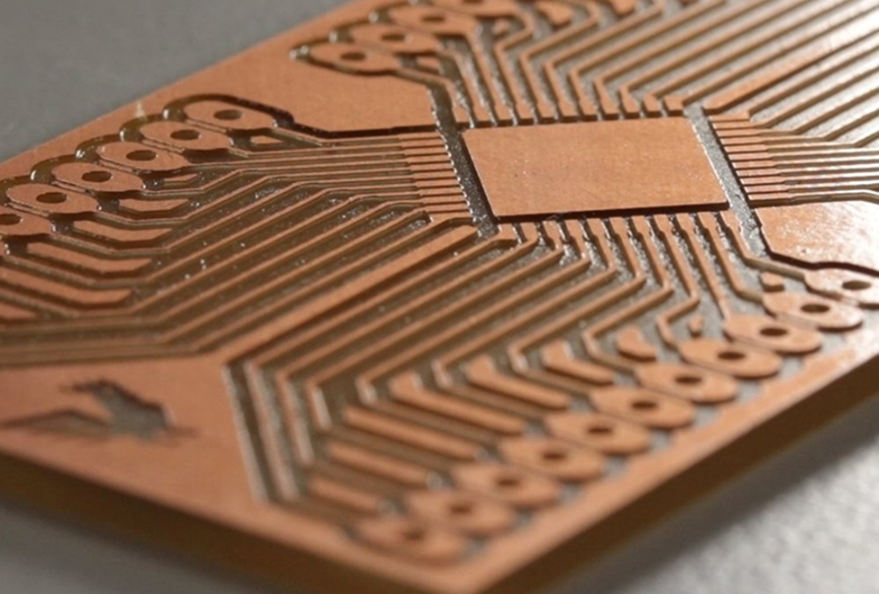
Printed Circuit Boards (PCBs) constitute a crucial component in nearly all electronic products, facilitating electrical connections between various parts of a device through conductive tracks and features. Typically manufactured through etching, PCBs utilize copper for conductive features on a non-conductive substrate.
Etching, while widely employed for PCB production, may not always be the most practical method due to its reliance on hazardous chemicals. This limitation makes it unsuitable for use in non-industrial settings such as offices.
Herein lies the significance of electronic parts machining. Similar to etching, it enables the creation of functional PCBs, but without the need for hazardous chemicals. This makes CNC electronic parts machining a safer option, especially in certain work environments.
Advantages of Machined PCBs:
- Chemical-Free Production: CNC part machining for PCBs eliminates the need for hazardous chemicals, enhancing workplace safety and making it a more environmentally friendly option.
- In-House Production: Machined PCBs can be produced in-house, providing greater control over the manufacturing process and reducing dependence on external suppliers.
- Ideal for Prototyping: The CNC machining process is well-suited for prototyping, allowing for the quick and efficient creation of PCB prototypes to test and validate designs.
- Fast Turnaround: Machined PCBs offer a fast turnaround, making it a time-efficient method for producing electronic components.
- Ease of Design and Execution: Designing and executing PCBs with CNC machining is simplified through the use of CAD/CAM software, allowing for precise and intricate designs.
- Integration of Multiple Operations: CNC machining consolidates multiple operations into a single machine, streamlining the production process for enhanced efficiency.
In summary, CNC electronic parts machining for PCBs not only provides safety benefits by eliminating hazardous chemicals but also offers advantages such as in-house production, rapid prototyping, and streamlined operations under one machining process.
CNC Machined Electronics Casings and Enclosures
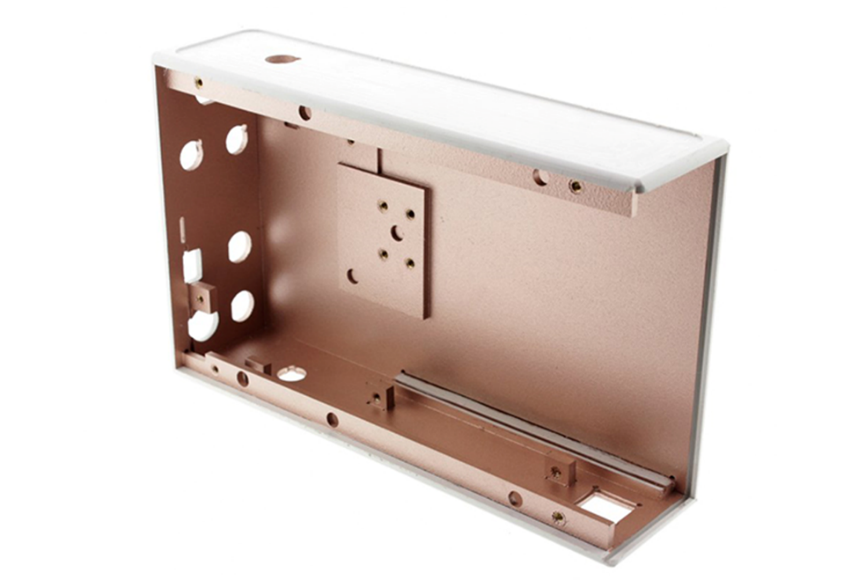
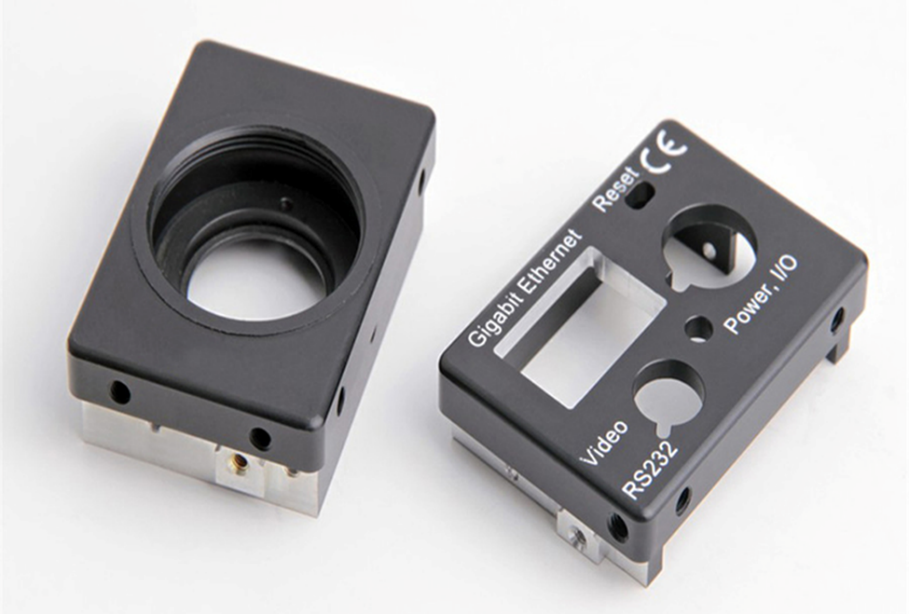
Electronic parts machining is well-suited for the production of plastic or metal enclosures that serve as the exterior shell of electronic devices.
While alternatives like die casting or other tooling-based processes can also be used to manufacture these casings and enclosures, electronic parts machining offers distinct advantages. It excels in providing high precision and tight tolerances, particularly crucial for consumer goods casings where minimizing surface defects is essential.
Electronic devices such as smartphones, digital cameras, and laptops demand casings that are both aesthetically pleasing and durable, housing the circuitry and hardware of the devices. While molding processes are commonly employed for such parts, electronic parts machining stands out for complex designs and achieving a more professional finish.
Advantages of Machined Enclosures:
- High Strength: Machined enclosures are milled from solid materials like aluminum, resulting in high strength and robustness.
- Variety of Surface Finishes: Electronic parts machining allows for a range of surface finishes, including options like anodization, enhancing both appearance and durability.
- Engraving Capabilities: The machining process enables engraving, providing the opportunity for customization and branding on the enclosure’s surface.
- Fast Turnaround: Machined enclosures offer a fast turnaround, contributing to efficient production processes.
- Incorporation of Threads and Other Features: Electronic parts machining makes it possible to incorporate threads and various features directly into the enclosure, streamlining the assembly process.
In summary, the advantages of electronic parts machining, such as precision, tight tolerances, and the ability to handle complex designs, make it a favorable choice for manufacturing enclosures for electronic devices, ensuring both functionality and a polished appearance.
CNC Machined Heat Sinks
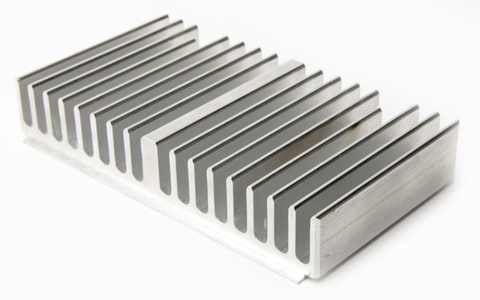
Numerous electronic devices, including computers, necessitate the use of heat sinks. These are passive heat exchangers designed to absorb the heat generated by electronic components and transfer it to the surrounding air or a liquid coolant, preventing device malfunctions due to overheating.
Electronic parts machining proves to be an excellent method for crafting heat sinks, even when dealing with very small electronic components. CNC machines, in particular, offer specific advantages in heat sink fabrication, enabling the creation of intricate fin patterns.
While machined heat sinks are commonly made from aluminum or copper alloys, other materials like stainless steel and Inconel are also viable options. CNC machining of heat sinks is especially advantageous for short-run production or rapid prototyping of electronic devices.
Advantages of Machined Heat Sinks:
- Flexibility with Fin Patterns and Features: CNC machining provides flexibility in designing intricate fin patterns and incorporating various features into heat sinks to optimize thermal performance.
- Various Material Options: Machined heat sinks can be crafted from a range of materials, including aluminum, copper alloys, stainless steel, and Inconel, allowing for material selection based on specific performance requirements.
- Fast Turnaround: The CNC machining process facilitates a fast turnaround, making it suitable for efficient production and prototyping of heat sinks.
- Exceptionally Tight Tolerances: CNC machining ensures exceptionally tight tolerances, making it well-suited for crafting heat sinks for miniature electronic devices where precision is paramount.
- Ideal for Prototyping and Experimentation: The versatility of CNC machining makes it an ideal choice for prototyping and experimentation, allowing for the quick iteration and refinement of heat sink designs.
In summary, the advantages of electronic parts machining, particularly through CNC machining, make it a preferred method for the production of heat sinks. The flexibility, material options, tight tolerances, and rapid turnaround contribute to the efficiency and effectiveness of crafting heat sinks for electronic devices.
CNC Machined Connectors and Sockets
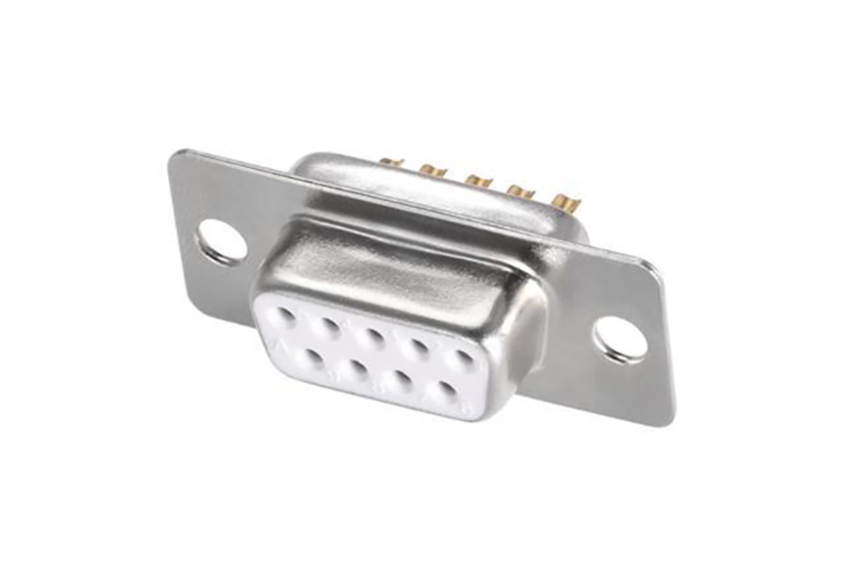
The design of numerous electronic devices involves their seamless integration with other devices, such as a USB keyboard and mouse for a computer or an electronic musical instrument designed to connect to an amplifier or mixing desk. These interconnected devices rely on metal connectors and sockets to facilitate easy attachment of devices or cables.
CNC part machining plays a crucial role in the manufacturing of these connectors and sockets, leveraging its ability to cut small metal components with remarkable precision. The precision ensured by this technology is vital because deviations in the dimensions of connector pins or socket circumferences can lead to connection failures between devices.
Machined parts in this category encompass sockets, contacts, sleeves, hoods, and pins, with many of these components suitable for machining using copper alloys.
Advantages of Machined Connectors and Sockets:
- Tight Tolerances: CNC part machining delivers tight tolerances, ensuring the precise dimensions of connector pins and sockets, thereby guaranteeing reliable connections between devices.
- Ideal for One-Off Devices or Short Production Runs: The flexibility of CNC machining makes it ideal for crafting connectors and sockets for one-off devices or short production runs, offering efficient production solutions.
- Fast Turnaround: CNC machines provide a fast turnaround, contributing to swift and efficient production processes for connectors and sockets.
- Processing of Highly Conductive Metals: CNC machines can effectively process highly conductive metals, making them well-suited for machining connectors and sockets that require excellent electrical conductivity.
In summary, the advantages of electronic parts machining, particularly through CNC machining, make it an integral method for producing connectors and sockets. The precision, suitability for short production runs, fast turnaround, and capability to process highly conductive metals contribute to the effectiveness of CNC machining in crafting these essential components for interconnected electronic devices.
Semiconductors
Semiconductors play a pivotal role in today’s electronic industry, enabling technological advancements and functionalities that surpass the capabilities of much larger vacuum tubes. In the highly competitive semiconductor market, there is a growing demand for smaller and more precise package designs. CNC part machining emerges as a crucial process in the production of semiconductor components, offering high accuracy and extensive material support.
While semiconductors are primarily composed of elements such as silicon or germanium, or doped with other elements, semiconductor machining, in the hands of an experienced CNC machinist, can adeptly handle various materials.
Despite the significance of semiconductor machining, only a few companies in the electronics industry possess the expertise of experienced machinists and the appropriate machinery required for this intricate process.
Conclusion
CNC part machining stands out as a critical technique, facilitating the seamless production of electronic components. It brings forth advantages such as exceptional precision, high reliability, and shortened turnaround times.
This article has delved into the benefits of CNC part machining and explored various common CNC electronic components. It’s important to note that CNC machining extends beyond electronic component fabrication. For top-tier machining quality, consider RapidDirect. Our team of experts is poised to optimize your designs, minimize costs, and deliver superior parts and products.
Let’s Start A New Project Today