
In recent years, the healthcare sector has witnessed a growing need for top-tier and highly precise products. Meeting stringent industry standards within tight deadlines has become a paramount challenge for product managers and designers. To address these demands effectively, the medical industry has increasingly turned to the utilization of medical CNC machining.
The adaptability of CNC machining within the medical sector, coupled with its compatibility across diverse processes and materials, has proven instrumental in meeting manufacturing requirements. This approach facilitates the rapid and cost-effective production of medical products.
This article delves into the reasons why medical CNC machining stands out as an ideal solution for your project. Furthermore, it explores the various materials suitable for medical machining, aiding you in selecting the most fitting option for your products. Continue reading to gain insights into different strategies for optimizing the production of CNC-machined medical devices.
Why Choose CNC Machining for Medical Industry?
Opting for CNC machining in the medical industry offers a compelling advantage due to its inherent speed and precision, surpassing traditional manufacturing methods. This ensures that machined products not only meet but excel in adhering to stringent tolerance requirements and performance standards. While certain medical supplies are traditionally manufactured using plastic injection molding, CNC machining proves invaluable in crafting superior-quality molds, ensuring the repeatability and consistency essential for injection processes.
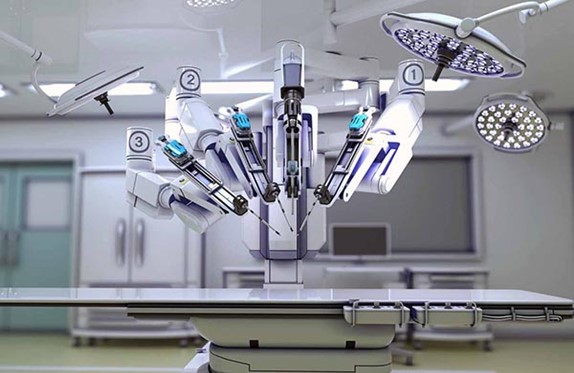
Here are the key reasons highlighting the value of CNC machining for medical prototypes and parts:
Diverse Tooling Options
CNC machining emerges as a cost-effective and efficient approach for producing highly precise medical components, eliminating the necessity for specialized tooling. In contrast to other production methods that involve expensive tooling, CNC machining offers quicker turnaround times for small production runs or customized parts. This is particularly advantageous in the medical industry, where the need for quick and precise components in limited quantities is common. CNC machining delivers accurate and high-quality results without the reliance on specialized tools.
No Minimum Order Requirement
Unlike certain manufacturing methods that impose minimum order volumes, CNC machining provides flexibility with no such requirement, making it well-suited for smaller projects. The rapid generation of a cutting program from a digital CAD file allows for high-precision production of one or more custom-machined medical parts without the constraints of a minimum order volume. This makes CNC machining ideal for highly specialized medical devices, surgical products, prosthetics, and other applications that often demand one-off or single-use custom parts.
Material Flexibility
The use of portable CNC machines and the seamless transfer of digital CAD files are facilitated by digital machining. While portable CNC machines have some capacity limitations, they prove valuable in manufacturing simpler medical components. Standard CNC machines, with few exceptions, can effectively work with common materials used in medical tools, appliances, and parts, such as stainless steel, aluminum, titanium, and production-grade plastics like PEEK.
High Production Speed
Medical CNC machining enables rapid production of components, allowing for the creation of finished parts within a few hours, depending on complexity. This speed is particularly beneficial in medical emergencies where the required parts may be unpredictable. CNC production machining ensures the swift delivery of high-quality parts in varying quantities.
Tight Tolerances for Machined Parts
Many advanced medical devices necessitate tight tolerances, a requirement easily met by CNC machining. Achieving these service tolerances reduces the need for extensive post-processing, minimizing the risk of errors. This not only saves time and money but also ensures that medical components meet their intended specifications. In the healthcare sector, where even slight deviations can have serious consequences, the precision and accuracy of medical CNC machining significantly mitigate this risk.
Flexible Design Complexity
A key advantage of CNC machining lies in its ability to swiftly transfer digital programs between medical specialists, product designers, and manufacturing professionals. This seamless collaboration enhances the effectiveness of CNC machining in creating high-quality and specialized medical equipment, regardless of geographical location. This capability is particularly valuable in time-sensitive situations, allowing for the rapid development and delivery of essential medical components.
Materials for CNC Medical Machining
Medical components are often designed with specific tolerances, malleability, tension, and sterilization requirements in mind. Choosing the right CNC machining materials that align with functional and quality demands is crucial for meeting these intricate specifications.
The predominant materials for crafting medical devices include stainless steel, with the rising popularity of titanium and aluminum. Additionally, certain applications find plastic polymers and select composites to be ideal. The tables below provide a concise overview of the applications associated with standard materials used in medical machining.
Metals
| Metals | Why Use It and Applications |
| Aluminum | Aluminum, renowned for its robust yet lightweight nature and commendable resistance to corrosion, emerges as a versatile material. Its mechanical properties and corrosion resistance can be further enhanced through convenient anodization. While it may not be the optimal choice for devices in direct contact with the human body, aluminum proves to be an outstanding selection for auxiliary equipment such as wheelchairs, orthopedic supports, IV stands, and similar support apparatus. |
| Stainless Steel | This material finds widespread suitability for various applications due to its exceptional biocompatibility, durability, strength, and resistance to corrosion. Additionally, its capacity to be polished to achieve a smooth surface facilitates easy cleaning. Applications span across orthopedics, including hip joint replacements, as well as surgical devices such as forceps, tweezers, hemostats, and more, making it a preferred choice in the medical industry. |
| Copper | Manufacturers opt for this metal due to its remarkable antibacterial and antiviral characteristics, making it well-suited for surfaces frequently touched, such as monitor switches and buttons. Additionally, some manufacturers incorporate it into certain dental implants, leveraging its advantageous properties in the field of dental applications. |
| Titanium | This metal serves as a compelling alternative to stainless steel, boasting high strength, durability, and biocompatibility. As a result, it stands out as an excellent option for the fabrication of bone replacements, prosthetics, and skeletal supports. |
| Magnesium | Magnesium demonstrates an impressive strength-to-weight ratio and is recognized as a biocompatible material. Its ability to safely biodegrade is leveraged in applications such as bone graft replacements and heart stents. |
Plastics
| Plastics | Why Use It and Applications |
| Delrin | Delrin, a thermoplastic material known for its high strength, rigidity, and dimensional stability, is employed in various medical applications. Notably, its chemical resistance and low coefficient of friction make it well-suited for the CNC machining of medical devices requiring durability and precision. Examples include orthopedic implants, forceps, scalpels, inhalers, and basic components for medical equipment. |
| Acrylic | Renowned for its impact resistance and optical clarity, this plastic material is widely employed in the production of machined medical components. Its applications span a range of uses, including contact lenses, orthopedic implants, dental prosthetics, microscopes, lasers, and protective shields. |
| Polycarbonate (PC) | Polycarbonate is recognized in the CNC machining for the medical industry for its exceptional strength, resistance to impact, and optical clarity. It finds application in various areas, such as manufacturing tubing and connectors for medical devices, crafting protective goggles and shields, producing respiratory masks, forming surgical instrument handles, and creating housings for medical equipment. |
| PEEK | PEEK, an engineering thermoplastic widely acknowledged for its outstanding strength and exceptional high-performance characteristics, is highly valued in various medical applications. Its notable chemical resistance makes it an ideal choice for medical parts exposed to harsh chemicals. Applications encompass a range of products, including temporary contact items, ventilator tubes, surgical clamps, X-ray machines, and prosthetics. |
| PTFE (Teflon) | This medical-grade thermoplastic is renowned for its elevated heat resistance and excellent dimensional stability. It stands out as a reliable choice for applications demanding frequent steam sterilization and devices that necessitate high precision and reliability. Examples encompass catheters, implantable devices, prosthetics, wound dressings, and more. |
| Polypropylene (PP) | This plastic material showcases notable chemical resistance, rendering it valuable for devices that undergo frequent sterilization. Its good dimensional stability is particularly advantageous in the production of precise components, including test tubes and pipettes, medical packaging components, inhalers and nebulizers, as well as disposable medical devices such as syringes and IV sets. |
| UHMW PE | Ultra-high molecular weight polyethylene enjoys broad acceptance in the medical sector due to its biocompatibility, high strength, and impressive wear resistance. This plastic is employed in the production of various medical products, including orthopedic implants, probes and shavers, catheters, splints, trauma plates, and more. |
| Nylon | The utilization of this versatile engineering-grade thermoplastic in medical applications is attributed to its toughness, strength, and durability. It proves to be ideal for crafting components such as sutures, catheters, forceps, clamps, implants, and dental devices. |
Factors to Keep in Mind When Selecting Materials for CNC Machining in the Medical Field in accordance
Choosing appropriate materials for machining medical components demands thorough consideration of numerous factors. It necessitates a comprehensive comprehension of the particular demands and specifications of medical applications in accordance with European and American practices.

Considerations for Selecting Materials in Medical CNC Machining:
- Long-Term Contact: Medical equipment designed for prolonged contact or implantation within the body, such as pacemakers, prosthetics, and artificial joints, necessitate materials with strength and durability. Biocompatibility is a critical factor, making titanium and stainless steel preferred choices due to their non-toxic nature. Plastic polymers like PE, PU, PET, and acrylic also offer suitability for such applications.
- Chemical Resistance: Components requiring constant cleaning, sterilization, and re-use, such as surgical equipment and diagnostic tools, demand materials resistant to the chemicals used in these processes. Stainless steel, known for its excellent chemical resistance, along with titanium and aluminum, becomes an ideal selection. Plastic resins like PC and PEEK also provide valuable chemical resistance in this context.
- Radiation Resistance: Medical parts exposed to sources of radiation, such as X-rays and chemotherapy, require materials resistant to degradation. Titanium, with its high density and radiation resistance, is a prime choice for applications like X-ray machines and surgical equipment. Resins like ABS, PU, and PEEK are also selected for their resistance to radiation effects.
- Sterilization: Considering various sterilization methods like steam, chemical vapor, and radiation, materials must withstand exposure to degrading agents such as high temperatures and chemicals. Selecting materials capable of resisting these agents is crucial. Titanium and stainless steel continue to be reliable choices, while plastic resins like ABS, PU, and PEEK are preferred for their compatibility with common sterilization methods in the medical industry.

Stainless steel is favored for its corrosion resistance and ability to endure high temperatures and repeated sterilization cycles. Similarly, titanium is commonly utilized due to its corrosion resistance and durability during sterilization processes. Plastics such as PEEK, PC, PU, and ABS are also noteworthy choices.
For Drug Delivery: Ensuring drug dispensers prevent aerosols and fine powders from adhering to material surfaces is crucial for accurate drug dosage and treatment efficacy. Stainless steel, aluminum, copper, and titanium, known for their static-dissipative properties, are suitable for drug dispensers. Anti-static plastic polymers, including polypropylene, ABS, PC, and acrylic, are also excellent options.
For Artificial Joints: Selecting materials for artificial joints depends on specific joint requirements and patient needs. Titanium, stainless steel, and cobalt-chromium alloys are commonly chosen for their high strength, biocompatibility, and corrosion & wear resistance. Plastic resins like UHMWPE, PEEK, and PTFE are frequently used for joint replacements.
For Prosthetics: Design considerations for prosthetics involve ease of forming, strength, and the ability to withstand high impact. Titanium is popular for its strength, biocompatibility, lightweight nature, and corrosion resistance. Stainless steel and aluminum are also excellent choices, with aluminum being particularly valuable for lightweight applications. Plastic resins such as ABS+PC, PMMA, PEEK, glass-filled nylon, and High-Impact Polystyrene (HIPS) are suitable for prosthetics.
Tips for Designing CNC Machined Medical Parts: While CNC machining is a reliable method for manufacturing diverse medical components, it can be intricate. Therefore, implementing key considerations is essential to achieve optimal results in medical CNC machining.
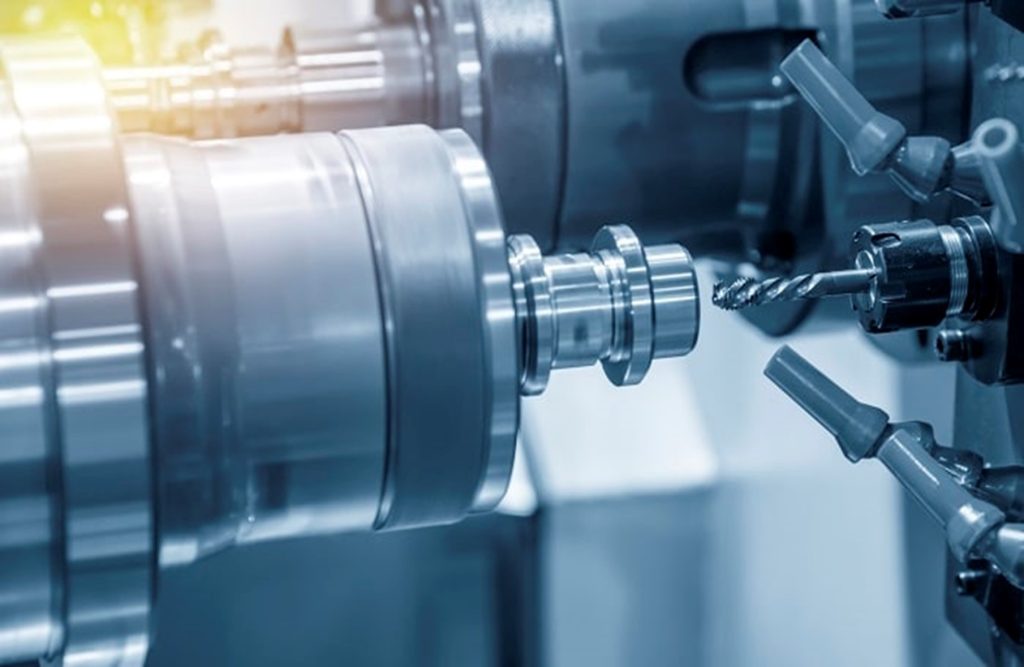
Follow these guidelines in CNC machining design when creating medical components.
Simplify the Design: Optimize part designs for efficient machining by simplifying geometries, incorporating standard features like chamfers and radii, minimizing material usage, and ensuring easy tool access. This enhances manufacturing precision, reduces costs, and improves overall efficiency.
Use Distinctive Colors: Enhance part identification and traceability, especially for similar-shaped components, by employing strong colors. This practice aids in distinguishing between different part versions, such as prototypes or those used for functional testing. However, consider the specific requirements of medical components, ensuring selected colors withstand sterilization processes and do not compromise biocompatibility.
Prioritize Visual Appeal: A visually appealing design and strong colors contribute to product differentiation in a competitive market. While enhancing aesthetics, ensure the design remains functional and meets the specific requirements of the part and its intended use. Highlight key features with suitable colors and textures to improve the component’s physical appearance.
Optimize for Convenience and Portability: Optimize medical part designs for convenience and portability by selecting lightweight materials like aluminum, incorporating ergonomic designs, and creating easily detachable products. This ensures versatility, ease of transportation, and use in various clinical settings, ultimately improving patient outcomes and reducing costs.
Facilitate Easy Maintenance: Design CNC-machined medical components with easy maintenance in mind, featuring simple designs that are easy to access. Utilize durable and easily cleanable materials to reduce maintenance frequency and enhance the part’s lifespan. Integrate monitoring systems into the design to detect issues early on, allowing for timely maintenance and repairs.
Examples of CNC-Machined Medical Products: Given its significance in the medical industry, CNC precision machining is employed to create high-quality medical prototypes and products. Examples include medical implants.
Note: The examples of CNC-machined medical products can be detailed based on specific instances or types, depending on the context and requirements.
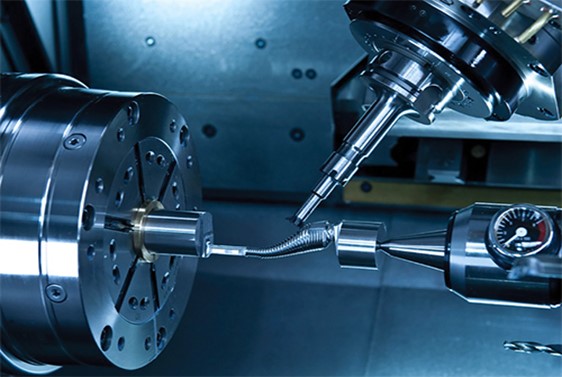
CNC machining plays a crucial role in producing essential medical components, particularly in the creation of bodily implants such as hip replacements, spine implants, and knee implants. The medical sector often demands implants in limited quantities, making traditional manufacturing methods like injection molding impractical due to high mold production costs.
Medical CNC machining emerges as a cost-effective alternative. Utilizing reusable tools helps significantly reduce production costs. The versatility of CNC machining with various materials, including titanium, stainless steel, cobalt-chrome alloys, and plastics like PEEK, makes it well-suited for crafting medical implants. Precision and accuracy inherent in CNC machining ensure the creation of customized implants to meet the specific needs of medical practitioners.
In the realm of electronic medical equipment, while surgical tools typically feature simple designs with few metal parts, advanced medical devices are characterized by intricate assemblies comprising hundreds or even thousands of individual components. These sophisticated devices encompass MRI scanners, ultrasound equipment, CT scanners, X-ray machines, heart rate monitors, and various diagnostic tools. The precision offered by CNC machining proves invaluable in the production of these intricate and vital medical instruments.
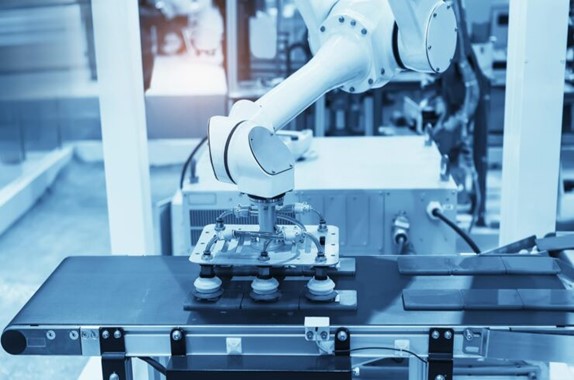
CNC machines exhibit the capability to fabricate intricate components essential for advanced medical devices, ranging from small buttons and switches to larger monitor housings. The precision and quality of these CNC-machined parts are paramount to prevent equipment malfunctions, and adherence to rigorous safety and reliability standards is imperative. Unlike surgical tools and implants, manufacturers can employ a broader range of materials for machining medical equipment parts.
In the domain of medical surgical instruments, CNC machining technology plays a pivotal role in producing an array of components such as biopsy tubes, surgical scissors, implant holders, blade handles, forceps, spacers, plate benders, saws, clamps, and more. Precision and meticulous care in the CNC machining of these surgical instruments are essential to meet the stringent safety and performance standards of the healthcare sector. Device designs must facilitate easy sterilization and undergo rigorous testing before deployment in medical procedures.
The application of CNC machining in the medical industry for surgical tools and instruments is advantageous due to the high level of precision demanded. This manufacturing technique provides an economical and efficient method for producing these components, offering not only precision but also enabling comprehensive surface finishing treatments to ensure surgical instruments are devoid of surface defects. This enhances the overall quality and reliability of these critical medical parts.
Selecting the right manufacturer for machined medical parts in today’s market, where precision and strict adherence to safety and performance standards are paramount, is crucial. The choice of manufacturer significantly influences the quality and effectiveness of CNC-machined medical equipment.
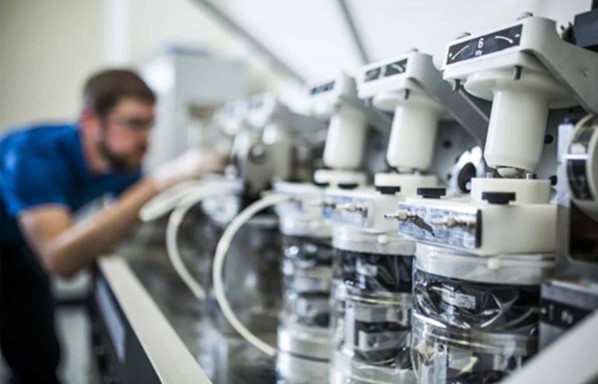
When selecting a manufacturing partner for machining medical instruments, consider the following three crucial factors:
- ISO 13485 and 9001 Certification: ISO certification is a pivotal factor in identifying a reliable manufacturer for machined medical equipment. An ISO-certified management system attests that a company adheres to stringent quality assurance and standardization standards. ISO 9001 is a globally recognized standard that outlines key management principles, and it is essential to verify if a company with ISO 9001 certification aligns with the required criteria.ISO 13485 certification specifically addresses quality management compliance in the medical device industry. Manufacturers holding this certification can demonstrate that their management system complies with international standards, making them a preferred choice for medical parts production.Opting for a company with both ISO 13485 and 9001 certifications ensures that the manufacturer not only meets the necessary quality and safety standards in management principles but also aligns with the specific requirements of medical device manufacturing. By considering these certifications, you can confidently select a manufacturer capable of delivering high-quality, compliant machined parts. Companies like RapidDirect, for example, uphold these standards.
Note: The example of RapidDirect is provided to illustrate a company that meets these standards, and specific manufacturers may vary based on current industry standards and certifications.
Consider the following factors when choosing a manufacturing partner for CNC machining of medical instruments:
- Experienced Experts: Evaluate the manufacturer’s experience and knowledge of recent advancements in medical device manufacturing. The ideal partner should understand the unique requirements and safety regulations of the medical industry, providing necessary documentation and quality control protocols for compliance. A team with extensive experience can identify risks, offer solutions, and provide valuable insights during product development, ultimately saving time and reducing costs in mass production. Confidence in the quality and safety of machined parts is assured when working with a manufacturer with a proven track record in medical device manufacturing.
- Strict Quality Inspection System: Understand the quality management systems and approaches used by the manufacturer to meet standards. While ISO 13485 certification and other approvals are crucial, it’s equally important to verify a manufacturer’s demonstrated track record in adhering to these strict standards. New manufacturers may offer lower rates but might lack operational experience, posing potential risks. Thoroughly vetting potential partners ensures that machined medical parts meet the highest quality standards and comply with regulations.
- RapidDirect: Best Bet for Medical CNC Machining: Medical instrument machining requires detailed design, material selection, and high precision to meet strict tolerance and performance standards. RapidDirect offers efficient and robust CNC machining services for the medical industry, facilitating faster and cost-effective bringing of medical products to market. As an ISO 13485:2016 and ISO 9001:2015 certified company, RapidDirect ensures that all medical prototypes and parts comply with regulatory standards. Their extensive quality management system caters to unique demands, ensuring the manufacturing of high-quality medical parts.
With a team of experienced engineers and quality inspectors possessing extensive knowledge of the medical sector and its machining requirements, RapidDirect ensures the meticulous selection of materials to produce high-quality and safe medical products. Additionally, clients benefit from a complimentary design for manufacturing analysis report based on their designs, facilitating design optimization and cost savings. Submit your design file today to receive instant quotes.
Conclusion: CNC machining stands out as a valuable technique capable of producing superior-quality and precise products for diverse applications in the medical industry. Meeting the demands of medical applications necessitates excellent material choices, design optimization, precision part manufacturing, and thorough inspection.
To achieve optimal results, it is imperative to collaborate with a highly experienced and well-equipped medical machining shop. RapidDirect stands ready to provide unwavering support throughout the manufacturing process, delivering high-quality parts that meet design specifications within a short timeframe. Contact us today to initiate your project and benefit from our expertise!
Let’s Start A New Project Today