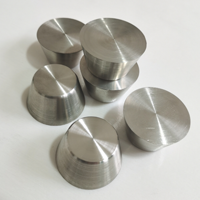
Since its inception in the 1860s, the automotive industry has continually thrived on innovation and technological advancements. Many significant breakthroughs in the automotive sector are closely tied to advances in manufacturing. CNC machining plays a pivotal role in driving these manufacturing advances for automotive applications.
In 1913, Henry Ford revolutionized automobile production with the introduction of the first moving assembly line, bringing mass-produced vehicles to people worldwide. Over the years, precision auto parts have remained a primary focus of the automotive industry. Recent advancements in design, robotics, and manufacturing processes have led to increased automation in automotive machining, resulting in improvements in vehicle design and performance.
Advantages of CNC Machining in Automotive Applications:
- Production Speed:
CNC machining offers rapid production times, especially for medium to high production volumes, compared to traditional machining. Its automated nature eliminates the need for labor-intensive manual processes, contributing to faster production. - Automation:
CNC machining is inherently automated, leading to faster and more streamlined automotive manufacturing processes. Robotic arms can assist in tasks such as part removal, allowing human workers to focus on design and innovation. - Repeatability:
As a computer-controlled process, CNC machining ensures repeatability, a crucial element in industrial-grade production. Consistency from batch to batch is essential in the automotive industry to maintain uniform standards for all produced vehicles. - Precision:
CNC machining can achieve tight tolerances, making it suitable for manufacturing precision auto parts, especially for critical components like engines. The process is capable of producing complex parts with high precision. - Customization:
While not as adaptable as additive manufacturing, CNC machining still enables the production of customized parts with short lead times. This flexibility is valuable for creating unique components either as one-offs or in small production volumes.
Prototyping Applications of CNC Machining in the Automotive Industry:
CNC machining is instrumental in both prototyping and production applications within the automotive industry. In the production realm, CNC machining provides the advantage of producing high-quality, functional prototypes. These prototypes undergo testing and validation before transitioning to full-scale production.
Whether for prototyping or production, CNC machining remains a cornerstone technology driving efficiency, precision, and innovation in the automotive manufacturing process.
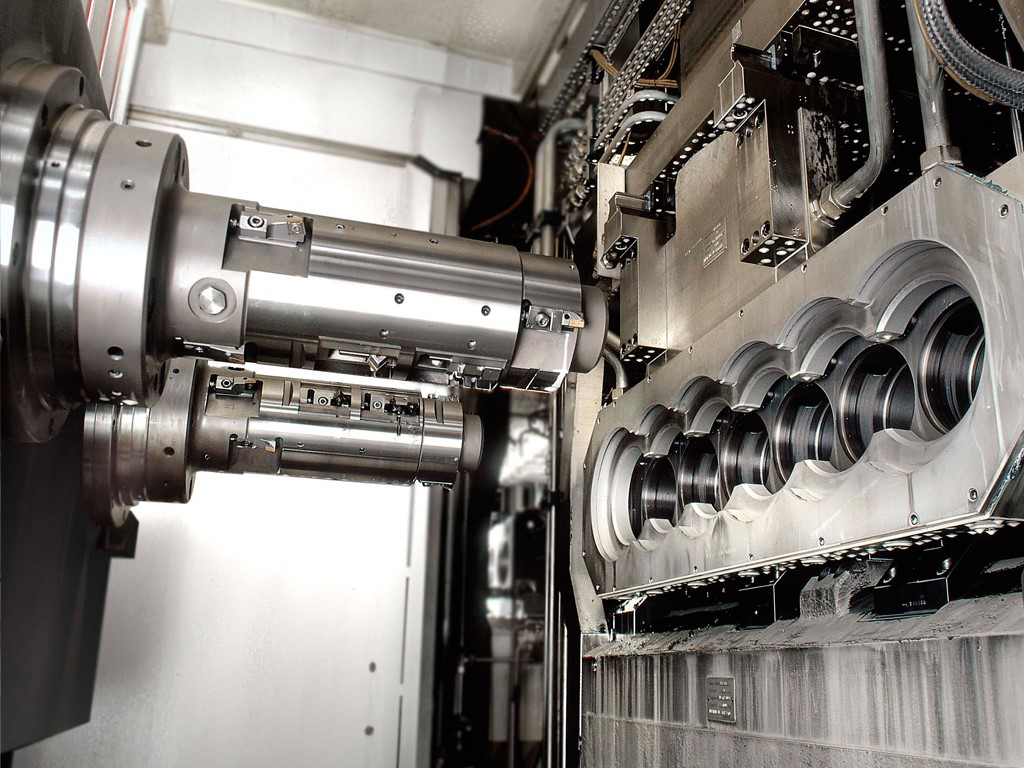
The versatility of CNC machining, compatible with a wide variety of materials, makes it well-suited for manufacturing various vehicle parts. It is particularly effective for producing metal or plastic components for under-the-hood applications. Automotive CNC machining can also be utilized to highlight design features for car interiors.
For example, the rapid prototyping of lighting components becomes straightforward using CNC machining with clear acrylic materials. In the development of new car models, CNC machining can swiftly produce high-quality functional prototypes for testing performance.
Production Applications of CNC Machining in the Automotive Industry:
- Interior Panels:
CNC machining can be employed to manufacture interior vehicle components such as the dashboard panel. This allows for precision and consistency in the production of aesthetically pleasing and functional interior elements. - Exterior Body Parts:
The exterior body of a vehicle often requires intricate and precisely machined parts. CNC machining enables the production of exterior components with tight tolerances, ensuring a seamless fit and finish. - Engine Components:
Critical components within the engine, where precision is paramount, can be efficiently machined using CNC technology. This includes parts like cylinder heads, intake manifolds, and other engine components. - Suspension Parts:
CNC machining is utilized for manufacturing suspension components, ensuring that these parts meet the required specifications for strength, durability, and precision. - Transmission Parts:
Various transmission components, such as gears and housings, can be produced with CNC machining. This contributes to the overall efficiency and performance of the vehicle’s transmission system. - Brake Components:
Precision is crucial in brake system components. CNC machining ensures the production of brake parts with the required accuracy to meet safety and performance standards. - Customized Accessories:
CNC machining allows for the production of customized accessories, both for interior and exterior applications. This includes unique trim pieces, decorative elements, and other personalized features.
The use of CNC machining in the automotive industry extends beyond prototyping, playing a vital role in the production of various components that contribute to the overall performance, aesthetics, and functionality of vehicles.

Indeed, CNC machining in the automotive industry provides the necessary precision for milling components such as a dashboard frame from a block of raw plastic material. This precision ensures that cutouts for instruments like the speedometer, gas gauge, and indicator lights align perfectly when installed, contributing to the overall quality and aesthetics of the vehicle’s interior.
Further applications of CNC machining in the automotive industry include:
- Starter Motors:
CNC machining is employed in the production of complex parts like starter motors. The precision and versatility of CNC machining enable the optimization of these critical components, leading to improved performance, durability, and reliability. - Cylinder Heads:
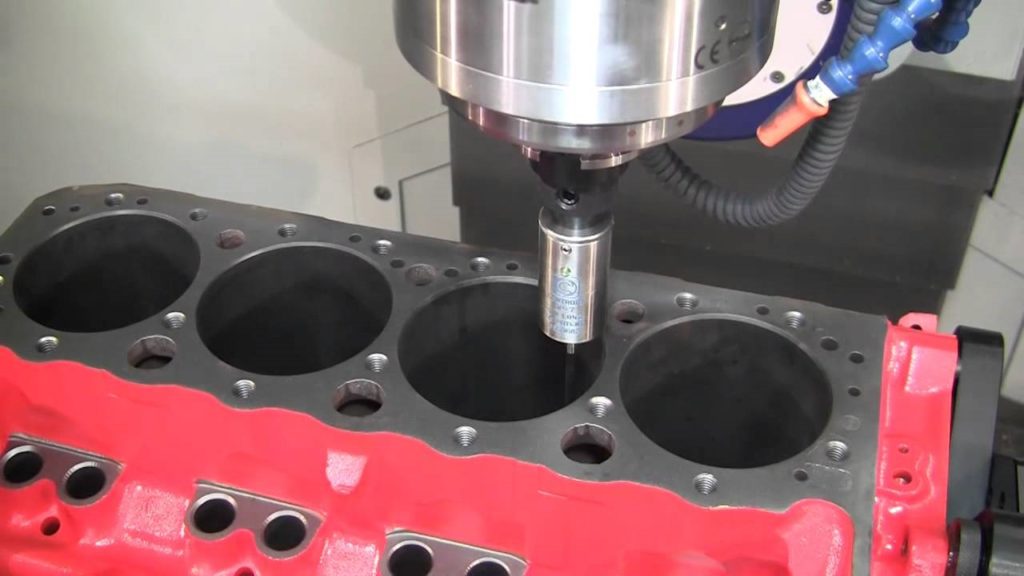
In both the automotive and motorsport industries, CNC machining plays a crucial role in the production of engine blocks and cylinder heads. Cylinder heads cover the cylinders in an internal combustion engine. CNC machining ensures the precise fabrication of these components, contributing to the overall efficiency and performance of the engine.
The advantages of CNC machining, including precision, repeatability, and the ability to work with various materials, make it a valuable technology for manufacturing intricate and critical components in the automotive sector. The utilization of CNC machining in the production of starter motors and cylinder heads showcases its versatility and impact on improving the quality and functionality of automotive parts.
In the automotive industry, CNC machining plays a crucial role in producing various powertrain components, enhancing efficiency, and enabling customization. Some notable applications include:
- Alternator Housings, Brake System Valves, and Fuel Pump Systems:
CNC machining is employed in the production of critical powertrain components, including alternator housings, brake system valves, and fuel pump systems. The technology’s ability to work with different materials, including metals like aluminum, makes it suitable for creating intricate and customized parts for these systems. - Drive Axles:
CNC machining is utilized in manufacturing precision components for the drive axle mechanism. This includes crucial parts such as hypoid gears and bevel gears. The precision offered by CNC machining ensures the accurate production of these components, contributing to the optimal functioning of the drive axle. - Gearboxes:
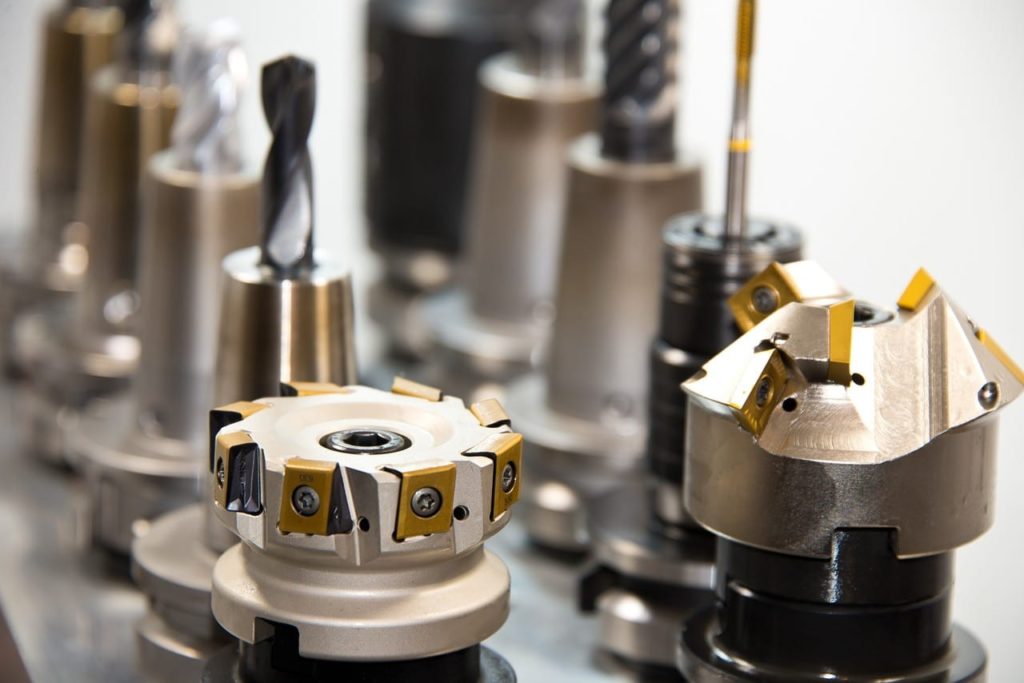
CNC machining is applied in producing various shaft and gear components for the gearbox, which is a critical part of a vehicle’s transmission system. The high precision and efficiency of CNC machining make it suitable for manufacturing these intricate parts. CNC milling and drilling tools can also be used for finishing parts that are cast. - Custom Parts:
Original Equipment Manufacturers (OEMs) can leverage CNC machining for the production of custom components or rare replacement parts. The versatility of CNC machining allows for the fabrication of specific and unique parts based on the requirements of the vehicle or application.
The application of CNC machining in the automotive industry extends beyond mass production to include precision manufacturing of specific and customized components, contributing to the overall performance and functionality of vehicles.
In the restoration of vintage cars, computer-controlled processes like CNC machining play a crucial role. These processes, combined with reverse engineering practices, are instrumental in creating one-off parts for vintage vehicles that may no longer be in production. This is particularly valuable when dealing with obsolete components, where traditional manufacturing methods might be impractical or cost-prohibitive.
Comparing CNC Machining and 3D Printing for Automotive Applications:
- CNC Machining:
- Precision and Accuracy: CNC machining offers high precision and accuracy, making it suitable for producing complex and detailed automotive components.
- Material Variety: CNC machining supports a wide range of materials, including metals and plastics, allowing for the fabrication of durable and functional parts.
- Strength and Durability: Parts produced through CNC machining often exhibit high strength and durability, making them well-suited for automotive applications.
- Surface Finish: CNC machining can achieve excellent surface finishes, which is essential for certain automotive components.
- 3D Printing:
- Complex Geometries: 3D printing excels at producing complex geometries and intricate designs that may be challenging for traditional machining methods.
- Rapid Prototyping: 3D printing is well-suited for rapid prototyping, allowing for quick iterations and design testing before final production.
- Reduced Material Waste: Additive manufacturing, such as 3D printing, is an additive process that can minimize material waste compared to subtractive processes like machining.
- Customization: 3D printing enables customization and the production of unique, one-off parts tailored to specific requirements.
Choosing between CNC machining and 3D printing depends on factors such as the specific requirements of the project, material considerations, production volume, and the desired characteristics of the final parts. Both technologies have their strengths, and the choice often depends on the goals and constraints of the automotive application.
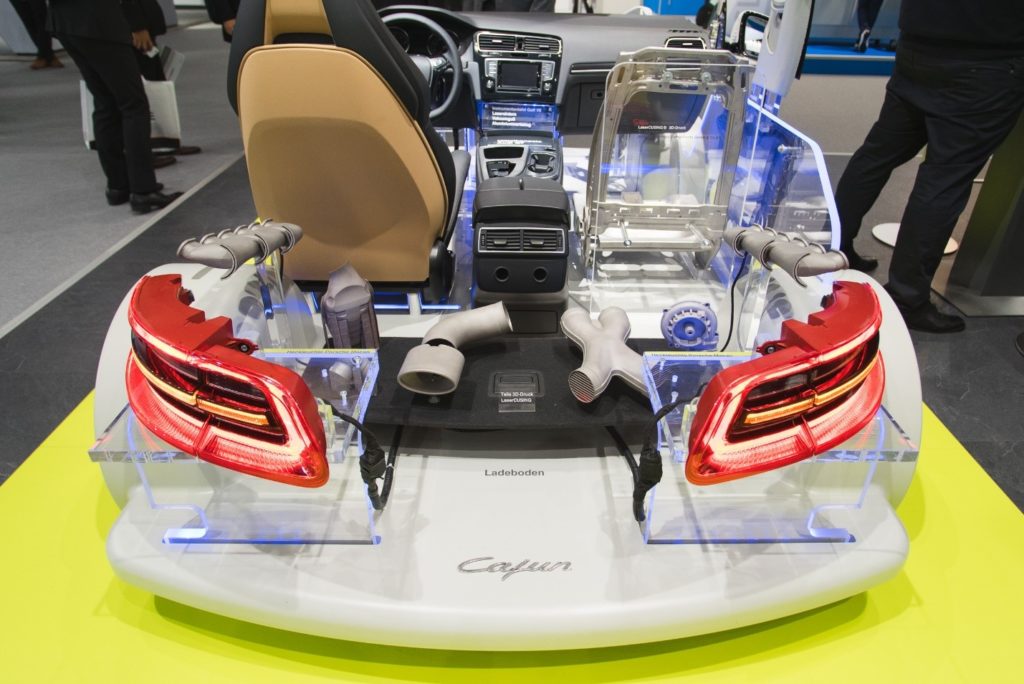
The products of CNC machines and 3D printers indeed differ due to the fundamental distinctions between subtractive and additive manufacturing processes. CNC machining involves the removal of material from a solid workpiece, resulting in sturdy components made from various materials. On the other hand, 3D printing is an additive process that builds up layers of material to create objects.
While CNC machining is a common and established method for automotive applications, 3D printing has found its place, especially in rapid prototyping and the production of certain components. Interior panels, for instance, can be manufactured using both CNC machining and 3D printing. CNC-machined panels offer sturdiness and material versatility, while 3D-printed panels provide an alternative, especially for rapid prototyping, with the ability to create intricate and customized designs.
Precision auto parts like brake components have also been produced using 3D printing technologies. Ford and Volkswagen have explored the use of 3D printing for specific automotive parts, showcasing its potential for creating custom gear shifts and components like parking brake brackets.
Choosing between CNC machining and 3D printing depends on various factors, including the specific requirements of the project, material considerations, production speed, and the desired characteristics of the final parts. Both methods offer unique advantages, and the selection should align with the goals and constraints of the automotive application.
RapidDirect provides CNC machining services with capabilities ranging from three to five-axis machining, offering a wide range of materials such as aluminum alloys, steel, titanium, plastics, and more. With their expertise and manufacturing network, RapidDirect ensures efficient production and delivery of automotive components to meet customer needs.
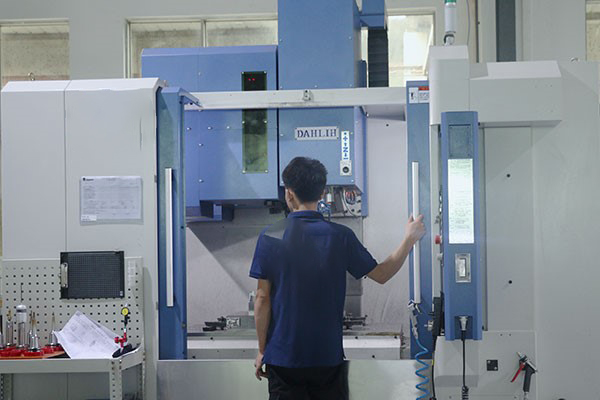
In the realm of manufacturing, our extensive network and in-house equipment empower us to handle a diverse range of part orders, catering to both single-run prototypes and large-volume manufacturing. Given the high-stakes nature of the automotive industry, we place paramount importance on precision and stringent quality control throughout the production of car parts.
For components that demand the utmost precision, we can achieve extra-fine tolerances, reaching as tight as +/-0.01 mm. This level of precision allows for the creation of intricate interlocking systems with an impeccable fit.
Ensuring quality is a top priority, and we employ a range of quality control techniques to achieve this goal. Before initiating manufacturing, thorough technical assessments are conducted to identify and address potential design flaws. Material verification is also available upon request, providing confirmation of material heat number, grade, dimensions, and other specifications.
Our CNC machines are equipped with on-machine inspection probes, and we implement in-process quality control along with the option for first-article inspection (available upon request). We offer comprehensive dimensional inspection reports upon request, all at competitive prices. This commitment to precision and quality control underscores our dedication to delivering top-notch components for the automotive industry.
FAQ
1 In the automotive industry, CNC machining serves a wide array of purposes, encompassing both prototyping and the production of end-use car parts. CNC machined prototypes in automotive applications can range from components like headlight covers to entire engines. Moreover, CNC machining is integral in the production of various end-use car parts, including cylinder heads, starter motors, gearboxes, and customized components for rare and vintage cars.
2 The choice of CNC machine in the automotive industry depends on the complexity of the part being manufactured. While simple or one-sided car parts can be produced using various types of CNC machines, complex items such as cylinder heads and blocks often necessitate the use of advanced 5-axis machining centers. These machines offer a broader range of cutting tool angles, enabling the creation of highly intricate geometries with tight tolerances.
3 Materials used in automotive CNC machining vary based on the specific requirements of different parts. Aluminum is a commonly used material, particularly for critical components like cylinder blocks and heads. The high conductivity of aluminum is advantageous for dissipating heat generated in the combustion chamber during engine operation. This makes it well-suited for applications where efficient heat dissipation is crucial.
Let’s Start A New Project Today