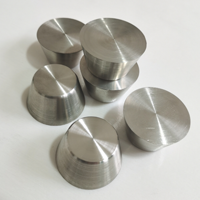
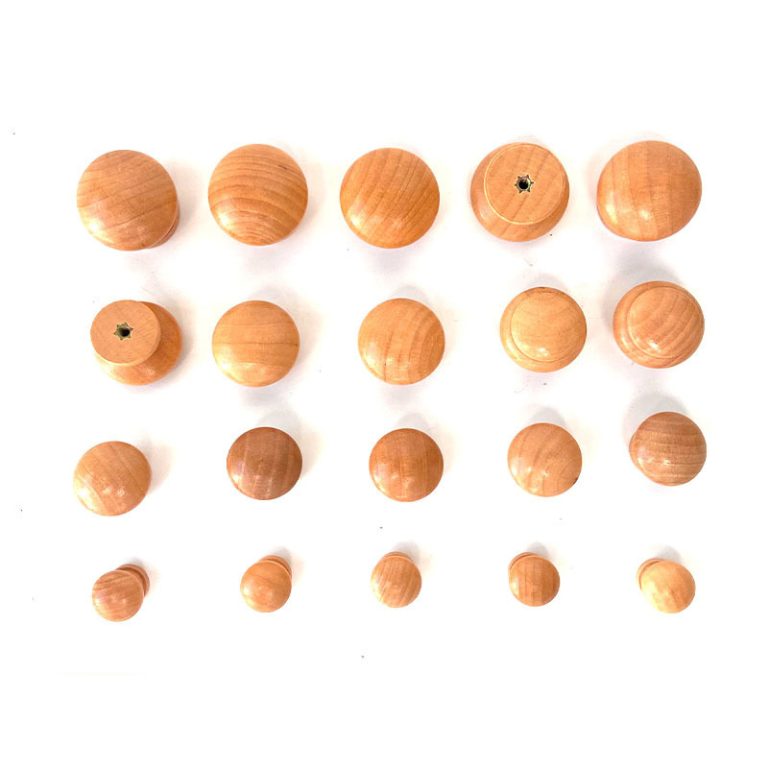
CNC machining is a versatile and cost-effective manufacturing process with applications across diverse industries, thanks to its compatibility with a wide range of materials. The benefits of CNC machining, including high precision and material versatility, make it suitable for various applications in different sectors. Here are some industries that extensively use CNC machining:
Aerospace Industry:
The aerospace industry has a longstanding association with CNC machining. The process is crucial for manufacturing precision metal components used in aircraft. The high level of precision is vital for ensuring the safety of aerospace applications. CNC machining provides aerospace engineers with a broad range of options due to its compatibility with various engineering metals.
Automotive Industry:
In the automotive sector, CNC machining plays a significant role in producing precision parts for vehicles. It is used for manufacturing engine components, transmission parts, brake systems, and other critical automotive elements. The ability to achieve tight tolerances and work with different materials makes CNC machining valuable in automotive applications.
Electronics Industry:
For the electronics industry, CNC machining is employed in the production of intricate components and enclosures for electronic devices. It is particularly useful for creating custom connectors, sockets, and housings with high precision. CNC machining’s ability to work with a variety of materials makes it suitable for manufacturing parts used in electronic devices like smartphones, laptops, and digital cameras.
Medical Industry:
CNC machining is widely used in the medical field for producing precise and customized medical components. It is employed in the manufacturing of surgical instruments, orthopedic implants, dental prosthetics, and other medical devices. The accuracy and repeatability of CNC machining make it essential for meeting the stringent requirements of the medical industry.
Energy Industry:
In the energy sector, CNC machining is applied in the production of components for various energy-related applications. This includes parts for renewable energy systems, oil and gas equipment, and power generation components. CNC machining’s ability to work with different materials and produce complex geometries is valuable for creating efficient and durable energy-related components.
Consumer Goods Industry:
CNC machining finds applications in the consumer goods industry for creating high-quality and aesthetically pleasing products. It is used to manufacture components for items such as kitchen appliances, furniture, and other consumer goods. The precision and versatility of CNC machining contribute to the production of intricate and well-finished consumer products.
These examples highlight the widespread use of CNC machining across different industries, showcasing its adaptability and effectiveness in diverse manufacturing applications.
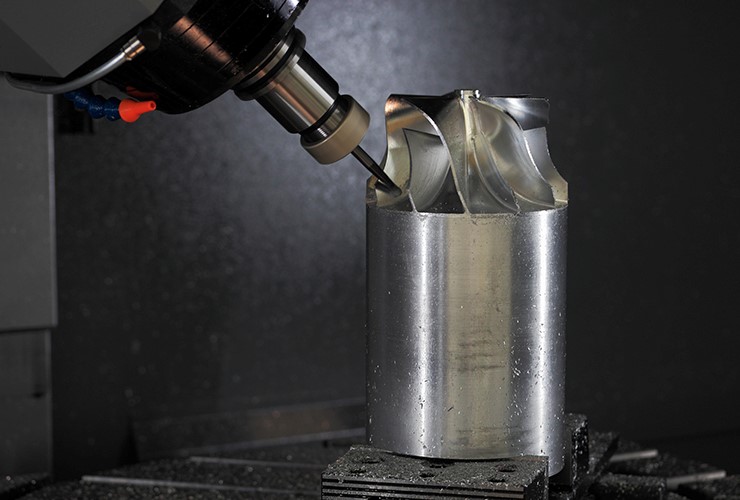
The applications of CNC machining in the aerospace industry are extensive and dependable. Various machinable aerospace components, such as engine mounts, fuel flow components, landing gear components, and fuel access panels, benefit from the precision and reliability of CNC machining.
In the automotive industry, CNC milling machines are routinely utilized for both prototyping and production. Extruded metal can be precisely machined into critical components like cylinder blocks, gearboxes, valves, axles, and more. Simultaneously, CNC machines can shape plastics into components such as dashboard panels and gas gauges, showcasing the versatility of CNC machining across different materials and applications.
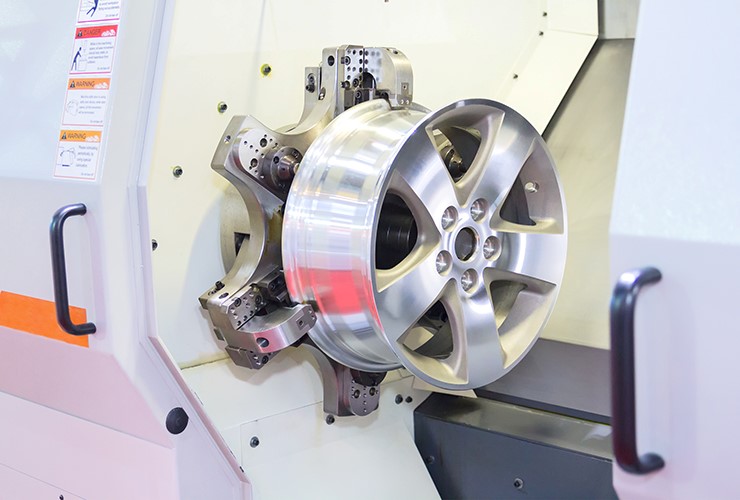
CNC machining plays a crucial role in the automotive industry, facilitating the creation of custom, one-off parts, and allowing for the rapid production of replacement components. The fast turnaround times and the absence of a minimum required part quantity make CNC machining an advantageous method for addressing diverse automotive needs.
In the consumer electronics sector, CNC machining is integral to both prototyping and production processes. Notably, it contributes to the manufacturing of devices like laptops and smartphones. For instance, the chassis of an Apple MacBook is crafted through CNC machining of extruded aluminum, followed by anodization.
The defense industry relies on CNC machining for the prototyping of durable and dependable parts, designed to withstand wear and tear with minimal maintenance. The versatility of CNC machines is especially beneficial in creating on-demand replacement parts and upgraded components, catering to the constant innovation and security demands of the defense sector.
In the healthcare sector, CNC machining finds applications in working with medically safe materials. Given its capacity for producing one-off custom parts, CNC machining plays a significant role in various medical applications. The precise tolerances achieved through CNC machining are critical for ensuring the high performance of machined medical components.
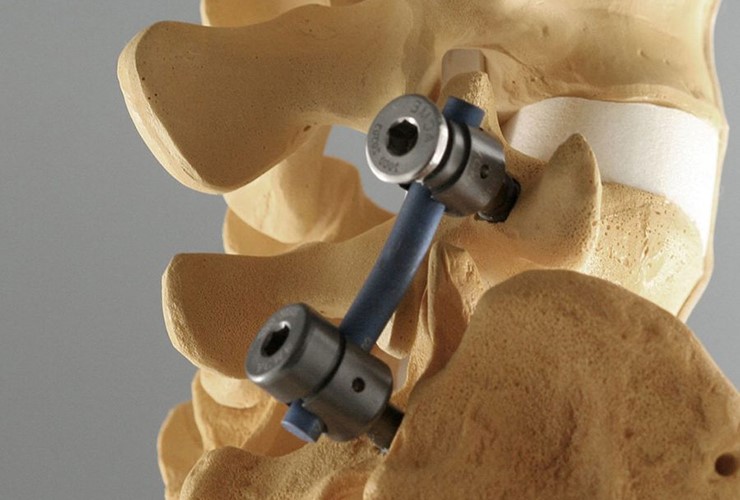
CNC machining is vital in the medical industry, contributing to the production of machinable medical parts such as surgical instruments, electronic enclosures, orthotics, and implants. In the oil and gas industry, CNC milling machines play a crucial role in manufacturing precise and reliable parts like pistons, cylinders, rods, pins, and valves, which are essential for safety-critical applications in pipelines and refineries. Corrosion-resistant machinable metals like Aluminum 5052 are often employed to meet industry requirements.
Categorizing CNC machining based on manufacturing possibilities and applications reveals its versatility. Rapid prototyping stands out as a significant application, thanks to CNC machines’ autonomy and fast turnarounds. Machinists can swiftly fabricate components based on digital designs, making CNC machining ideal for prototype production. The robust application of CNC lathe is evident regardless of the chosen method for machining the final component.
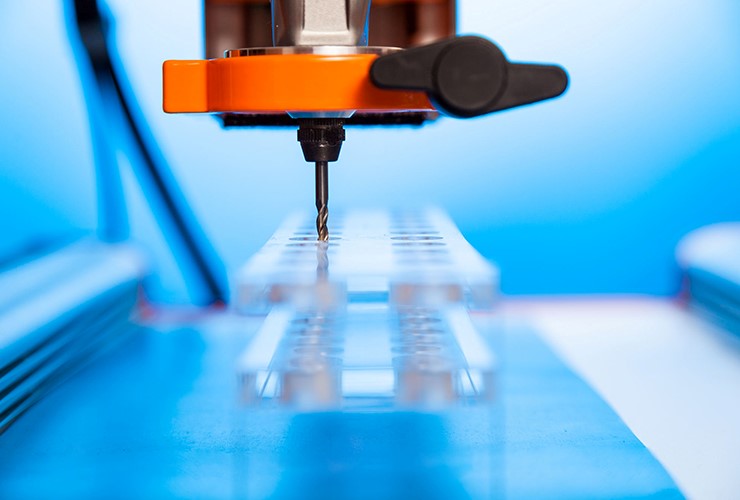
Machined prototypes produced through CNC machining adhere to exceptionally high standards, closely resembling the final end-use parts. The precision of CNC machining extends to the production of high-quality components for various end-use applications, offering a cost-effective manufacturing process that is widely utilized across industries.
Beyond direct manufacturing, CNC machining serves as an indirect manufacturing process for tooling applications, supporting processes like injection molding. Machining various materials, including robust aluminum and different steels, enables the creation of parts such as metal molds, facilitating the production of large quantities of products.
Furthermore, CNC machining seamlessly integrates with other manufacturing processes, leading to the emergence of hybrid manufacturing approaches. Combining CNC machining with processes like 3D printing or metal casting can result in the production of superior parts and products.
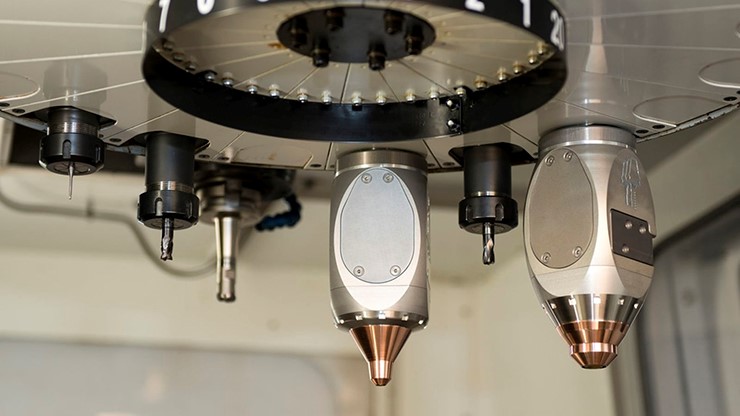
It is feasible to CNC machine features such as holes and threads in a printed or cast part, showcasing the versatility of CNC machining in complementing other manufacturing processes.
CNC automation facilitates Electrical Discharge Machining (EDM) in two main ways. Vertical EDM involves carving out cavities using electrodes with shapes and sizes similar to the desired features. Wire EDM is employed to create punch and die combinations for various die sets used in metal and plastic fabrication.
In conclusion, CNC machining finds numerous applications across diverse industries. Regardless of the industry, there is likely a CNC machining practice that suits specific needs. At RapidDirect, we provide a comprehensive range of high-quality, high-performance CNC machining processes. Our well-trained engineers possess extensive knowledge of these processes, ensuring top-notch services at competitive prices.
FAQ – Applications of CNC Machining
What Are the Advantages of CNC Machining?
CNC machining offers several advantages, widely accepted across various industries, including:
- Improved accuracy in the machining process
- Enhanced safety during machining operations
- Faster and detailed task completion
- Reduced changeover time
- Increased production volume
- Greater flexibility in manufacturing
What Are the Main Features of CNC Milling Machines?
Key features of CNC milling machines include an electronic measuring system on each controlled axis for identifying slide positioning on the slideway. This system also aids in orienting the spindle table and measuring the real spindle speed. CNC controls for simple turning applications, automated lubrication systems, boring heads, transitivity, spindle options, and automated tool length setters are among the additional features of CNC milling machines.
Let’s Start A New Project Today