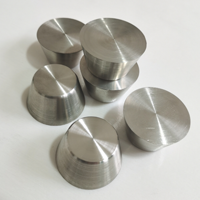
Injection molding stands out as a widely employed method for plastic production, particularly in the creation of high-quality automotive components on a large scale. This approach proves to be a practical solution for manufacturing a diverse array of polymer-based parts crucial to the automotive sector. Given the paramount significance of consistency, safety, and quality in the automotive industry, plastic injection molding emerges as a pivotal manufacturing process for automotive applications.
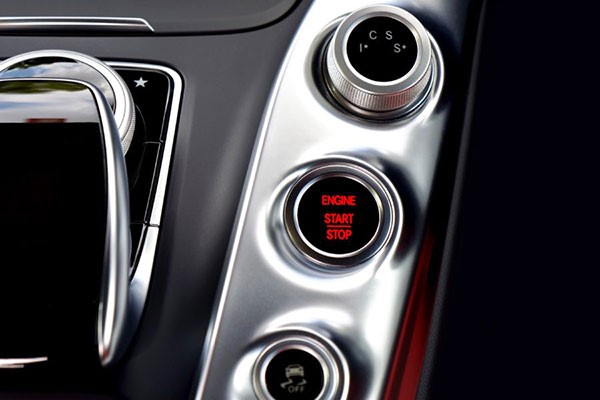
This article will explore automotive plastic injection molding from diverse perspectives, encompassing its historical evolution, benefits, practical applications, alternative solutions, and the array of materials involved. Scroll down and delve into the details!
Automotive Plastic Injection Molding: The History
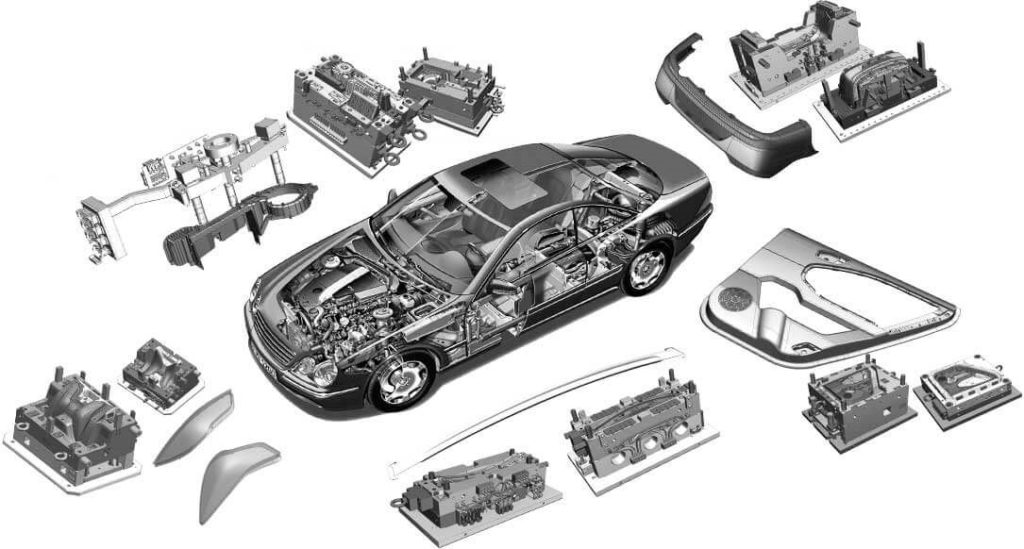
In the early stages of the automotive industry, vehicles were predominantly constructed from metal, resulting in bulky and exceedingly heavy cars. However, as the industry progressed, the plastics market experienced a surge in the 1940s and 50s. Consequently, automotive manufacturers began incorporating plastic components into their production processes.
By the 1970s, the automotive landscape witnessed the introduction of cars featuring plastic decorative elements. The subsequent decade, the 1980s, saw the integration of more functional plastic parts, including headlights, bumpers, and fenders.
Advancements continued into the early 2000s when automotive manufacturers unveiled the first plastic structural components for cars. These components, being lighter than their metal counterparts, contributed to improved fuel efficiency and more cost-effective production. Presently, injection molding stands as a predominant method for manufacturing plastic automotive parts in the industry.
Advantages of Injection Molding in Automotive Applications:
- Repeatability: In the automotive sector, the ability to consistently produce identical parts is paramount. Automotive plastic injection molding, relying on robust metal molds, ensures a high degree of repeatability, provided the mold is well-designed and finished.
- Scale and Cost: While the mold-making process can be expensive, injection molding proves to be a highly scalable method. The overall cost decreases as more parts are produced, making it particularly advantageous for mass production applications.
- Material Availability: Injection molding accommodates a wide range of rigid, flexible, and rubber plastics. The automotive industry utilizes various polymers such as ABS, polypropylene, acrylic, acetal, nylon, polycarbonate, among others.
- High Precision and Surface Finish: Ideal for producing plastic parts with simple geometries, injection molding ensures a high-quality surface finish. Manufacturers can choose from various surface textures, applied directly to the mold, influencing the final appearance.
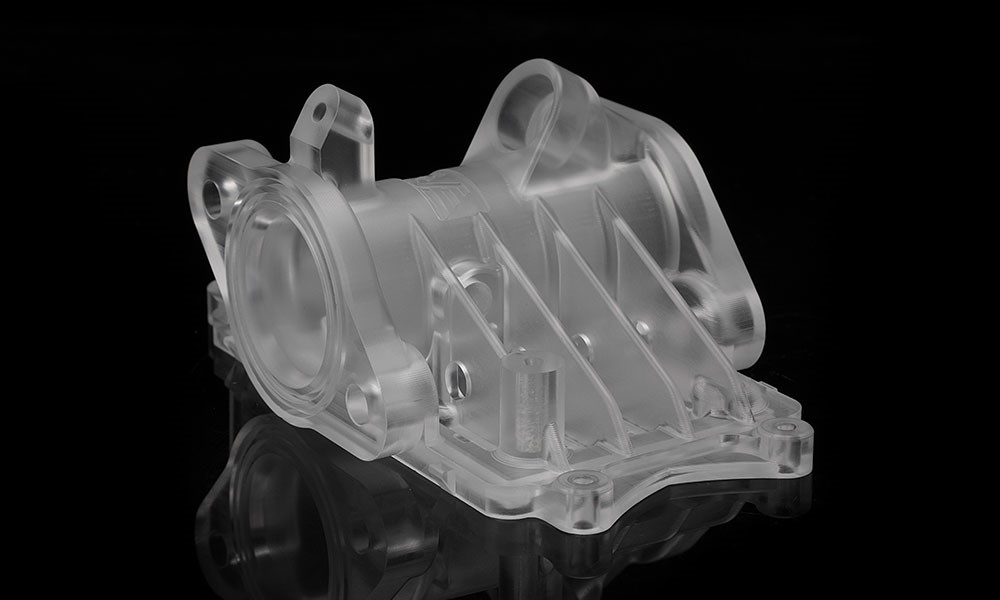
5. Color Options: Injection molding allows easy modification of colors to align with a vehicle’s color scheme. Unlike other processes, colors can be mixed with raw material pellets before manufacturing, ensuring consistent coloration without the need for post-molding painting or tinting.
6. Fast Prototypes with Rapid Tooling: Besides mass production, injection molding serves as a prototyping tool. Using fast, low-cost aluminum molds with rapid tooling, created through additive manufacturing or CNC machining, automotive mold manufacturers can swiftly produce short runs of prototype molded car components compared to traditional steel tooling.
In the automotive industry, injection molding stands out as a primary technique employed by manufacturers for shaping plastic parts. While creating an exhaustive list of plastic components in a car produced through injection molding would be challenging, let’s focus on some key examples.
1. Components under-the-hood
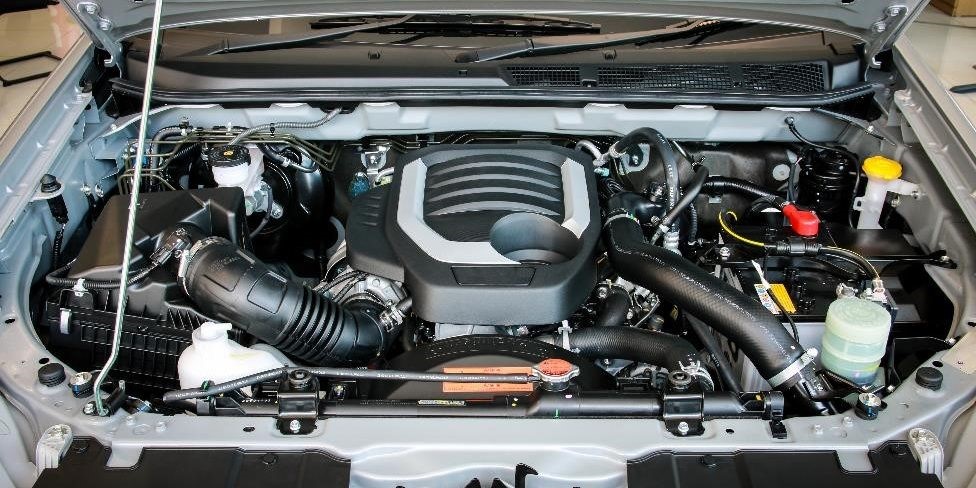
Over the last couple of decades, there has been a significant shift from metal to plastic for many under-the-hood components in the automotive industry. Sturdy polymers like ABS, Nylon, and PET are frequently utilized for these applications. Notably, parts such as cylinder head covers and oil pans are now produced through injection molding, providing advantages of reduced weight and cost compared to their metal counterparts.
2. Exterior Components
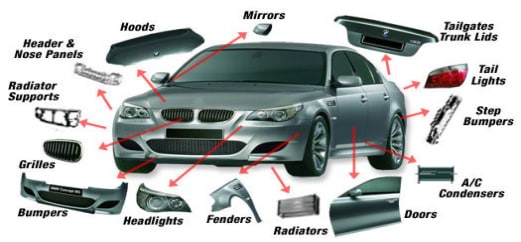
Injection molding stands as a well-established method for manufacturing various exterior automotive components, encompassing fenders, grilles, bumpers, door panels, floor rails, light housings, and more. An excellent illustration of the durability achieved through injection molding is evident in splash guards. These components, crafted to shield the vehicle from road debris and reduce splashing, are frequently fashioned from rubber or other resilient and flexible materials.
3. Interior Components
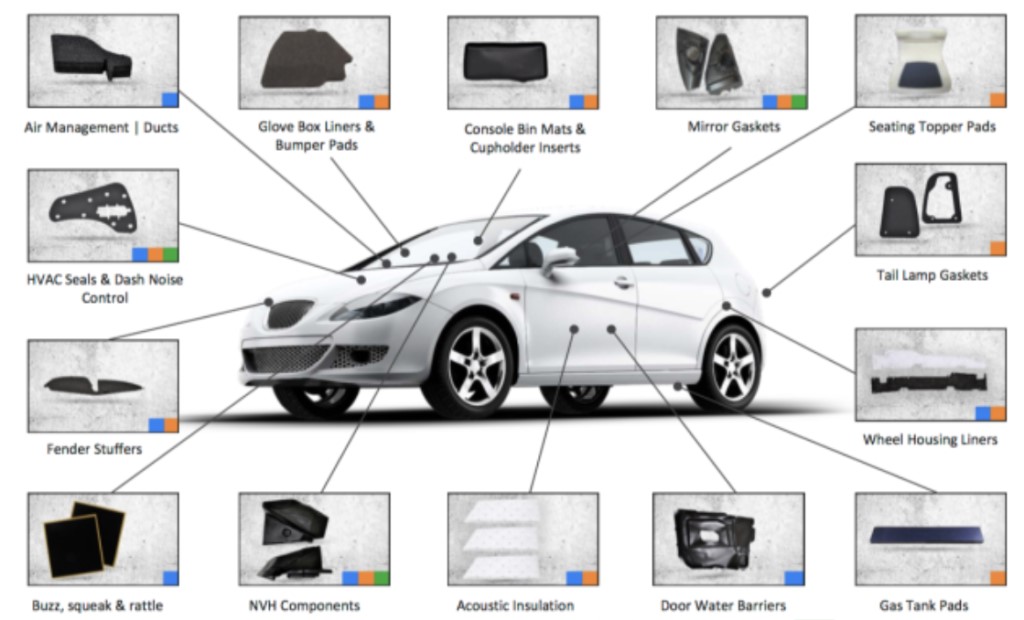
Automotive plastic injection molding is widely employed by manufacturers for the production of numerous interior components in vehicles. This encompasses instrumentation components, interior surfaces, dashboard faceplates, door handles, glove compartments, air vents, and a variety of other elements. Moreover, injection molding is utilized for crafting decorative plastic elements that enhance the aesthetic appeal of automotive interiors.
Options Beyond Injection Molding for Cost-Effective Prototyping in the Automotive Industry
Molded plastics have emerged as a viable substitute for metals in various applications. Traditionally, items like brackets, trunk lids, seatbelt modules, and air-bag containers were exclusively crafted from metal. In the contemporary landscape, injection molding has become the preferred manufacturing technique for producing these plastic components.
Conversely, manufacturers sometimes opt for 3D-printed plastic car parts as an alternative to molded plastic parts. This is particularly prevalent in prototyping scenarios, where extreme durability or a flawless surface finish may be less critical. Numerous moldable plastics can serve as filaments for FDM 3D printers or as powders for SLS 3D printers, especially for nylons. Specialized and high-temperature 3D printers can even produce reinforced composites for high-strength components.
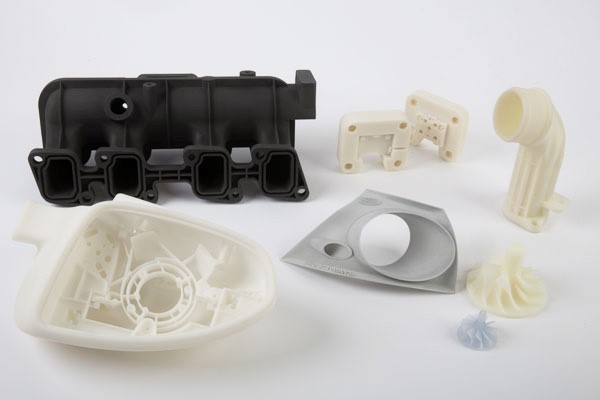
For one-off prototypes, especially non-mechanical components, 3D printing can offer a cost-effective alternative to molding, mainly due to the absence of tooling costs, resulting in more economical production prices.
In certain instances, manufacturers may leverage 3D printing for a select number of end-use automotive parts. Processes like SLM 3D printing may be employed for crafting fluid handling components such as valves, which are not typically produced through injection molding. Additionally, SLS 3D printing may be utilized for manufacturing parts like bumpers, trim, and windbreakers, offering an alternative to injection molding.
Looking ahead, there is a potential trend towards a broader integration of additive manufacturing in the production of automotive parts. This could extend from doors and body panels, utilizing SLM, to powertrain and drivetrain components, employing EBM, in the not-too-distant future.
Materials Used in Injection Molding for Automotive Components
Automotive manufacturers must adhere to stringent safety standards and obtain various certifications to ensure the roadworthiness of their vehicles. Consequently, selecting the appropriate plastic for plastic injection molding of automotive parts becomes a critical consideration.
Below is an inclusive list of prevalent plastics utilized in automotive injection molding, along with the corresponding parts for which they serve as raw materials:
- Acrylonitrile Butadiene Styrene (ABS)
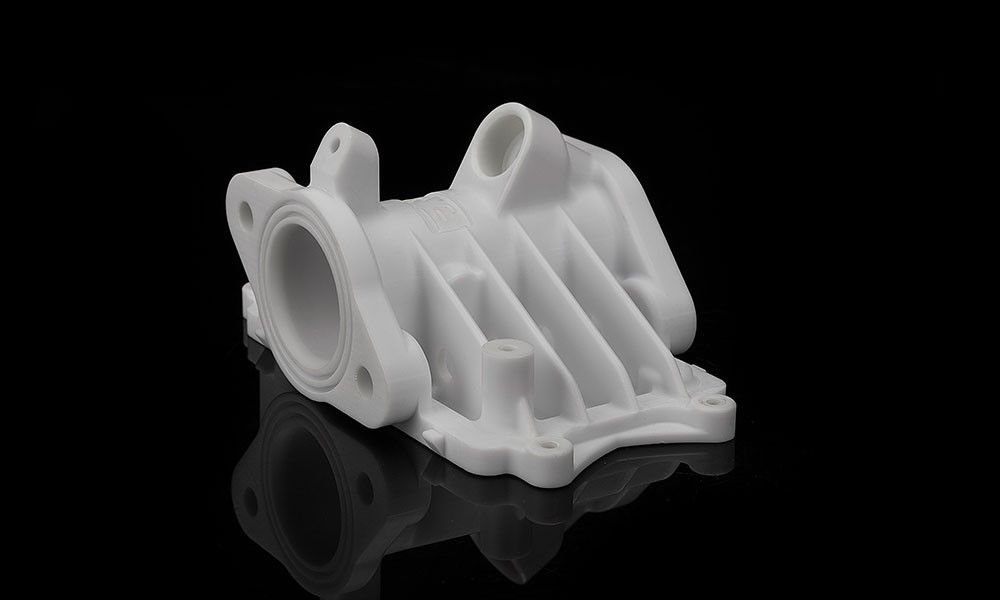
Extensively employed in both injection molding and 3D printing, the robust ABS plastic exhibits notable weather resistance. Within the automotive context, ABS finds application in crafting components such as dashboards and covers.
2. Polyamide (PA)/ Nylon
While not impervious to liquids, nylons boast commendable abrasion and chemical resistance. This makes them suitable for molding into automotive components such as bushes and bearings.
3. Poly(methyl methacrylate) (PMMA)
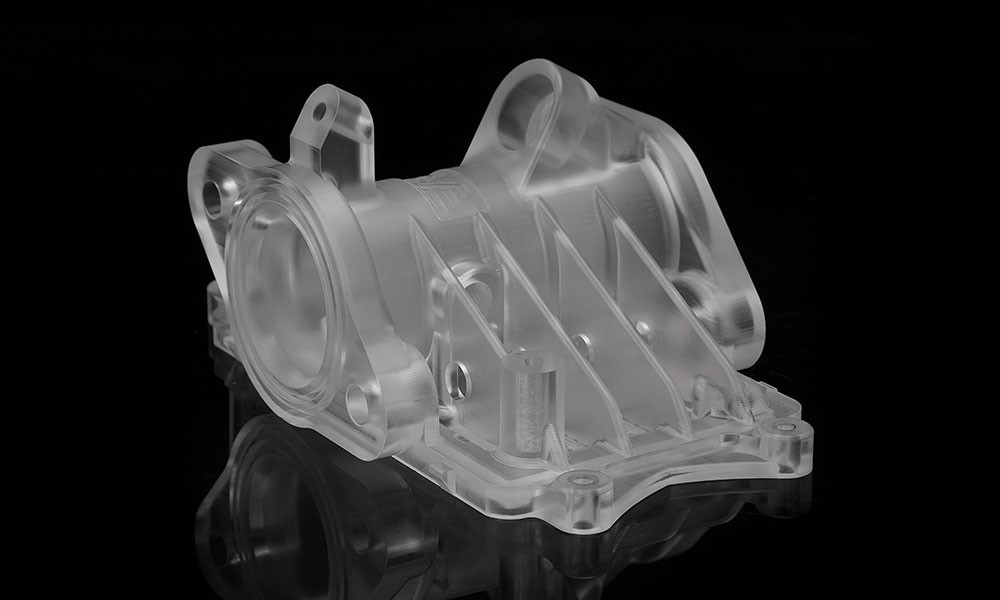
The clarity of acrylic renders it a superb, shatterproof alternative to glass. In the realm of automotive plastic parts manufacturing, molded PMMA (Polymethyl Methacrylate) is frequently employed for crafting headlight covers and internal screens, such as those for SatNav or radio displays.
- Polypropylene (PP)
In the manufacturing of automotive components, PP is favored for high-strength applications, particularly in various exterior parts. Its resilience against water, chemicals, and UV light makes it a preferred choice. PP is instrumental in crafting components such as bumpers, cable insulation, and battery covers. - Polyurethane (PU)
PU is commonly employed in the production of soft and flexible items like foam seating. This extends to applications in automotive settings, including car seats, as well as utilization in seals, gaskets, insulation panels, and suspension bushings. - Polyvinyl Chloride (PVC)
Globally recognized as the third most widely used synthetic plastic polymer, PVC finds extensive use in the automotive industry for molded parts requiring robust chemical resistance. Its applications span across interior panels, dashboards, and cable insulation. - Reinforced Composites
Manufacturers have the option to incorporate reinforced plastics, strengthened with materials like glass or carbon fiber. These reinforced composites exhibit superior strength compared to standard resins, making them ideal for producing car bodywork and bumpers.
YS Automotive Plastic Injection Molding Services
At YS, we specialize in providing professional injection molding services, delivering large-scale production of plastic car parts to clients in the automotive and various other industries. Our comprehensive services encompass thermoplastic injection molding, over-molding, insert molding, and the creation of molds. In the latter scenario, our experts collaborate closely with clients to produce top-notch molds tailored for prototyping or extensive production runs.
We have proficiency in working with a diverse range of plastic injection materials. This includes robust, heat-resistant, and rigid thermoplastics, as well as flexible, fast-curing thermoplastics, and durable, high-temperature rubber plastics. Our dedicated automotive plastic injection molding services empower our clients in the automotive sector to procure molded automotive parts of exceptional quality that precisely align with their application requirements.
Frequently Asked Questions
- What is the optimal material for injection molding automotive parts?
Various automotive components require distinct plastic materials, but among the most commonly utilized plastics are PP (seating, body, under the hood), PU (seating, upholstery), and PVC (seating, interior trim, electrical, upholstery). RapidDirect can provide guidance on selecting a suitable material for your automotive parts. - Is injection molding suitable for automotive prototypes?
The suitability depends on the desired quantity. Manufacturers can create rapid tooling for a cost-effective run of molded parts, typically for around a hundred units or more. However, for the production of just one or two prototype units, opting for a specialized prototyping technology like additive manufacturing might be more cost-effective, considering lower upfront costs. - What about metal parts?
Injection molding is not compatible with metals. The closest alternative is the metal casting process, frequently employed in manufacturing aluminum transmission housings, pistons, engine blocks, and cylinder heads. CNC machining is another prevalent production process widely used in the automotive industry.